
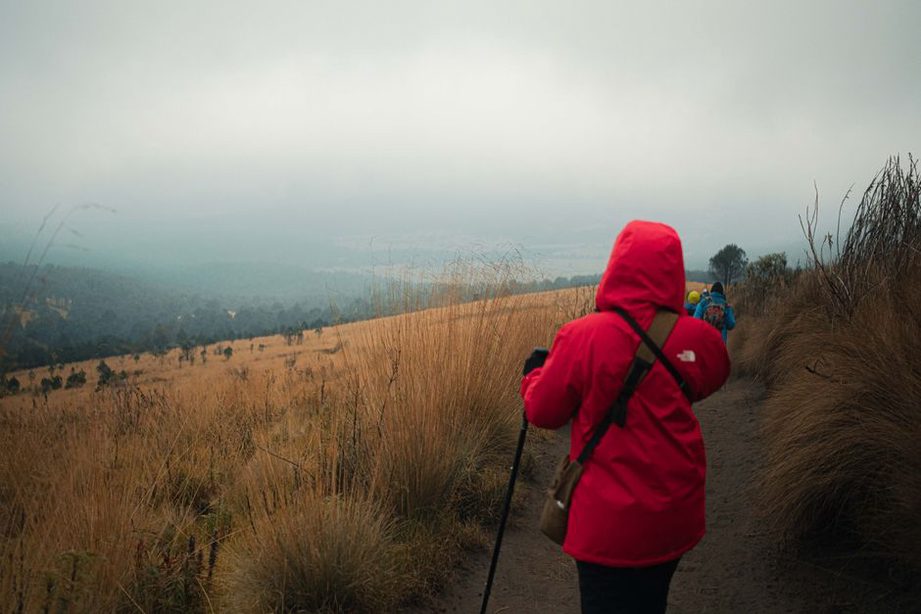
When a shower hits, a rain jacket buried under lunch is little help. Keep it near the top of your pack, with a warm layer protected inside a liner or waterproof bag. Even on a short day hike, pack for the weather you could face on the way back, not just the temperature at the trailhead.
Check the route before choosing the gear
Check the forecast for the trail’s location and elevation. Look at temperature, precipitation, wind and when conditions are expected to change; a forecast for a nearby town may tell you little about an exposed ridge. Review the route’s length, elevation gain, terrain and possible turnaround points. If thunderstorms, severe wind, flooding or dangerous heat or cold are forecast, a different route or a postponed hike may be safer than carrying more gear.
Tell someone where you plan to go, when you expect to return and when they should seek help if you are overdue. Check whether the route has mobile reception, but do not depend on it for directions or an emergency call. A paper map, a downloaded offline map and a charged phone give you backup options only if you know how to follow the route.
Dress in layers you can adjust while moving
Start with a breathable base layer that moves moisture away from your skin. Wool and synthetic fabrics generally work better when damp than cotton, which holds water and can leave you cold when you stop. Add a light insulating layer, such as fleece, for cool conditions. Bring a warmer layer if the forecast, elevation or your pace makes a chilly rest stop likely.
When rain is possible, carry a waterproof, wind-resistant shell with a hood. A water-resistant top may be enough for a brief drizzle, but it is less dependable in sustained rain. Make sure the shell fits over your insulation without restricting movement. Rain pants are worth considering for cold rain, exposed trails or wet vegetation that will soak your legs. In milder conditions, quick-drying hiking trousers may be enough.
Choose footwear with traction suited to the trail, and make sure it is already comfortable over the planned distance. Waterproof shoes can help in shallow puddles or wet grass, but may take a long time to dry if water gets in from above. Moisture-managing socks matter as much as a waterproof label. If wet feet are likely, pack spare socks in a dry bag. Bring a hat and light gloves for a cold or windy route, and keep sun protection in mind even when clouds come and go.
Build a small, dependable pack
Water and food
Carry water for the distance, temperature and effort, plus a margin for delays. Roughly half a liter per hour is a common starting point for moderate walking, but needs vary considerably with heat, pace and body size. Check for reliable refill points rather than assuming a stream will be usable. If you plan to collect water from a natural source, bring a suitable treatment method and know how to use it. You still need to drink in cold weather.
Pack food you can eat without cooking: lunch and compact snacks you would still want if the hike runs long. Keep a snack within reach so you need not unpack in wind or rain. Below freezing, bottles and some foods can freeze, so protect the water you need to drink.
Navigation, light and communication
- Route information: a map or reliable route description, plus a compass if the terrain calls for one and you know how to use it.
- Phone: charged before departure, with offline maps downloaded; consider power-saving settings.
- Headlamp: packed even for a daylight hike, with its batteries or charge checked before you leave.
- Emergency contacts: saved on your phone and, if practical, written down in case it fails.
A small power bank can help on a long day when mapping drains your phone, but it cannot replace knowing where you are. A satellite communication device may be appropriate where reception is absent and help is hard to reach. Learn how any device works before you rely on it.
First aid and practical extras
Pack a compact first-aid kit for likely problems: blister treatment, adhesive dressings, a bandage, wound-cleaning supplies and any personal medication. Add a whistle, a small repair item such as tape, and an emergency bivy or blanket in case you must wait for help. Keep these items reachable, and know what is in the kit. Carry sunscreen and sunglasses, since overcast skies do not block all ultraviolet exposure. Insect protection may also be useful, depending on the season and location.
Bring a small bag for wrappers and other waste, along with any hygiene supplies the route requires. Where there are no facilities, follow local rules for human waste disposal. Requirements vary, and some areas require you to pack it out.
Keep the contents dry and accessible
Most hiking packs are not fully waterproof. A pack liner or separate waterproof bags can protect insulation, spare socks, electronics and first-aid supplies when rain gets through fabric or zippers. A rain cover sheds water from the outside, but wind may pull it loose, and water can still enter around the straps. Use an inner barrier for anything that must stay dry.
Put dense items close to your back, rather than loading the top with heavy objects that make the pack unstable. Keep your shell, water, snacks and map or other route aid easy to reach. Before leaving, walk for a few minutes with the loaded pack. Adjust the straps and fix anything that rubs or swings. Take what the route calls for without adding so much weight that you tire early.
Adjust the kit to the forecast, not a fixed checklist
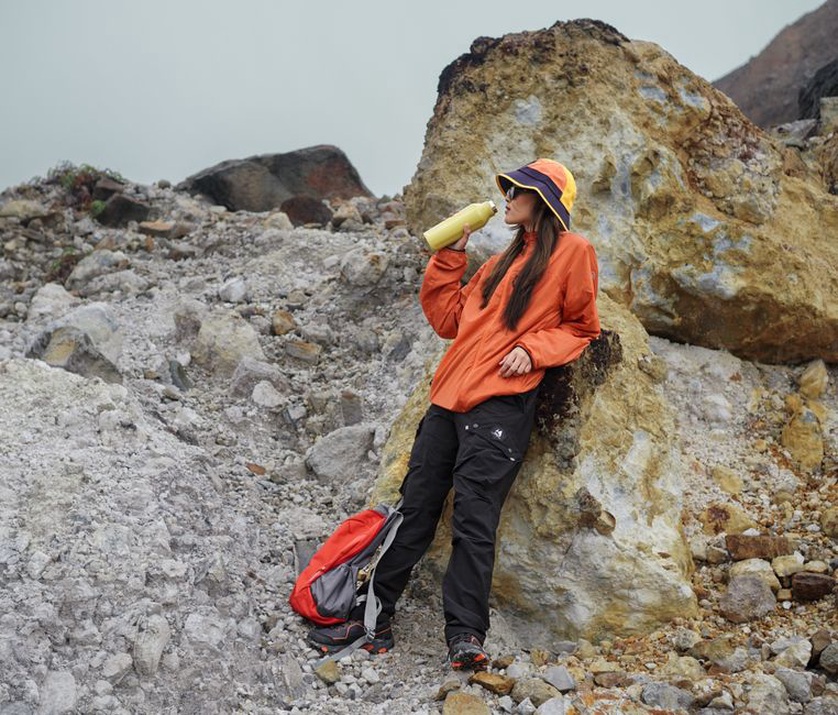
For a warm, low-elevation walk with passing showers, focus on water, sun protection, a light shell and a dry place for essentials. A cool ridge walk calls for insulation, gloves and protection from wind-driven rain. If the finish time is uncertain, pay particular attention to the headlamp, extra food and warm layer. Each person still needs their own water, clothing and essential medication, even if the group shares some repair and first-aid supplies.
Trail conditions can differ from the forecast. If you hear thunder, leave exposed high ground and turn back toward a safer route rather than waiting for rain. If someone becomes chilled, get them into dry insulation and wind protection before the group stops for long. When a forecast change arrives early, use your planned turnaround point instead of spending your safety margin pressing ahead.
At the trailhead, check the things most easily left behind: filled water containers, the rain shell, dry warm layer and headlamp. Then put the car key in a secure pocket before you close the pack.