
A spring opening is not the same as a spring production deadline. A new public courtyard may need planting, accessible routes, photographs and approved visitor information before its first event, but each has a different lead time. Climate may dictate when planting happens; route works may need inspections; finished-space photographs must wait until the work is finished. Put those dependencies on one schedule before announcing a date.
For architecture practices, developers and property owners, a seasonal campaign might support autumn leasing, explain a building’s summer performance, invite visitors to a winter programme or prepare residents for planned works. The public material is only part of the job. Claims about opening dates, capacity, access, energy use and amenities depend on decisions by design, construction, operations and legal teams. Plan around those facts first; set the publication calendar afterward.
Define the season as an operational deadline
“Ready for summer” is too vague to schedule. Name the event that matters: the first day a terrace can be used, the date a school must accept pupils, the start of cooling-season maintenance or the point when prospective tenants can tour a completed unit. Then separate three dates:
- Physical readiness: construction, commissioning, furnishing and safe access are complete for the intended use.
- Information readiness: drawings, specifications, prices, photographs and operating arrangements have been checked by their owners.
- Publication: material is released to visitors, residents, buyers or other stakeholders.
These dates rarely coincide. A building may be safe to photograph before it opens to the public. Equally, a team may have attractive renderings months before it can confirm completion. Say which stage the project has reached. “Expected to open in June, subject to final approvals” is different from “Open for visits from 1 June.” The latter needs a confirmed operating arrangement, not just a target in the programme.
Work backward from the audience’s decision date, too. A facilities manager arranging summer maintenance needs information before contractors’ schedules fill. A parent considering a new school needs access and admissions details before enrolment closes. Publishing on the first day of the season may be too late for either of them.
Build the timeline from the least flexible dependency
Start with fixed constraints: statutory review periods, planned shutdowns, academic terms, planting seasons, weather-sensitive works and agreed possession dates. Record where each date came from and how certain it is. A permit application date is a plan; approval remains uncertain until the authority decides. Local rules and processing times vary, so never present an assumed review period as a guaranteed approval date.
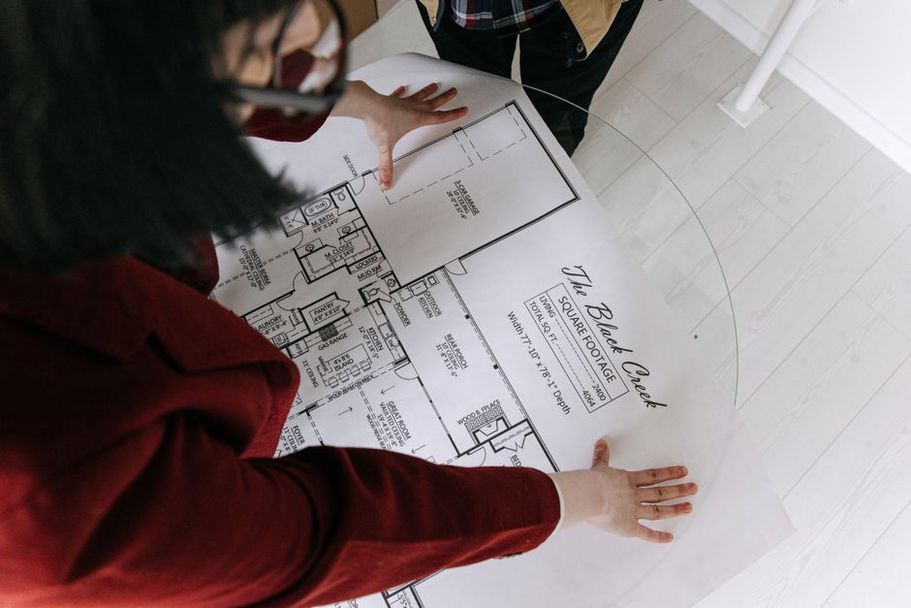
Map what must happen before each promised message can be published. Calling a renovated entrance step-free may require completed works, an as-built check of levels and slopes, confirmation that the doors operate properly and a verified accessible route from the site boundary. A post about improved indoor comfort may need commissioned systems and performance evidence, not just design calculations. Moving a copy deadline will not settle either claim.
| Campaign milestone | Evidence or decision needed | Useful contingency |
|---|---|---|
| Announce a target opening period | Approved project programme and owner agreement on wording | Use a broader window until approvals and handover are secure |
| Publish finished-space photographs | Safe access, completed visible works and permission to photograph | Use clearly labelled design visuals if completion is delayed |
| Invite people to visit | Confirmed opening hours, staffing, access arrangements and booking process | Delay invitations rather than advertise an unavailable visit |
| Claim an operational benefit | Defined measurement method and reviewed results | Describe the design intent instead of implying measured performance |
Place an internal decision point before each public milestone. An open day, for example, may need a go/no-go meeting several weeks ahead and a shorter check just before invitations go out. The interval depends on the project and how far visitors must travel. It should leave time to change the invitation if necessary, not hide unresolved risks.
Keep one source of truth for changing facts
Dates cause trouble when they change in the construction programme but stay the same in a brochure, site notice and event invitation. Keep a compact fact sheet with approved wording for the project name, address, areas, capacity, opening status, access, operating hours and contact arrangements. Give each fact an owner, evidence source, approval date and next review date.
Separate settled facts from those likely to change. The address may be fixed early; tenant mix, availability, rent, completion and visitor access may need frequent updates. Review those statements more often, and avoid putting them in materials that are costly to correct. A printed seasonal guide could direct readers to a staffed contact for availability rather than list unconfirmed units months ahead. That is document control, not a reason to withhold essential information.
Give each fact to someone who can verify it. Designers can confirm what was specified; contractors can report what has been installed; the building operator can confirm hours and maintenance arrangements; the client authorises commercial terms. One role does not automatically verify another’s facts. An approval register is more useful than a note saying “someone checked it.”
Use a claim ladder when evidence is incomplete
Match the wording to the evidence. Design intent describes a planned feature, such as external shading specified to reduce solar gain. Installed condition confirms that the feature exists on site. Measured outcome reports observed performance under stated conditions. Each step requires another check. If a summer comfort campaign is being prepared before occupancy data exists, explain the shading strategy without promising a particular indoor temperature or energy saving.
The same distinction applies to existing buildings. A winter maintenance message can describe completed inspections and repairs; it cannot promise that a roof will remain leak-free through every storm. Where severe weather poses a material risk, check claims against the building’s resilience and recovery procedures. A design measure is not immunity.
Budget for the work that happens before publication
Writing and design are not the whole campaign budget. Accurate material may also require site access arrangements, updated drawings, measured surveys, wayfinding, temporary signage, accessibility checks, photography, translations and approvals. Identify what the building project already funds and what campaign delivery must cover. Otherwise, each team may assume the other has paid for it.
Reserve people’s time as well as money. A photographer may need good weather and a cleared site with safe access. A technical reviewer may be busy with handover. Printed signage takes time to produce and install. Ask suppliers and internal reviewers for realistic durations, then add their tasks to the project schedule. If a critical task slips, decide which publication item changes rather than asking everyone to recover the time independently.
Make the fallback fit the risk. An indoor venue may save an autumn site event from rain; it cannot resolve an unapproved occupancy permit. In that case, a construction-progress update without an invitation to enter may be the better option. Preparing that alternate message can be more useful than setting aside a general contingency with no decision attached.
Match the campaign to what can be safely experienced
A seasonal date is no reason to open a space before it is fit for its intended audience. A public event needs a route visitors can understand and use, appropriate capacity, emergency arrangements, working facilities and staff with clear responsibilities. A construction tour needs different controls from a normal open day and should be described accordingly. Check temporary routes and event layouts against local requirements and the needs of expected visitors.
In an occupied property, the campaign must leave everyday use intact. A winter lobby display must not narrow an escape route or obscure directional signs. Summer viewings should not obstruct loading, resident access or maintenance. If public-facing improvements are proposed, consider how they work at street level after the launch; the discussion of urban building design that works at street level and over time is relevant when a temporary activation could affect permanent circulation.
Give visitors access details they can use before travelling: which entrance to take, the step-free route, lift status where relevant, accessible toilets and how to request assistance. Say plainly if a feature is temporary or not yet available. A photograph is no substitute for a confirmed route.
Assign decisions before pressure rises
A short responsibility matrix can head off a late dispute about who may approve an opening claim. Name one accountable campaign owner and the approvers for technical descriptions, commercial terms, safety and access information, visuals and final release. Decide who can pause publication when a critical fact changes. This matters particularly when an architect, developer, operator and external communications team share a launch.
Give each review a defined scope. Ask the technical reviewer to check dimensions, systems and construction status, not the campaign’s overall tone. Ask the operator to check visitor instructions and operating details. Send everyone the same marked version and set a deadline that allows for corrections. One consolidated set of comments is easier to manage than several near-final files with conflicting edits.
Agree on change thresholds before release. The campaign owner may approve a small wording change, but a revised opening date, capacity, accessible route or performance claim must go back to the person who owns the evidence. Archive released versions and record where each appeared. If a date moves, the team can update invitations, site signs and property information without having to reconstruct what went out.
Use staged commitments instead of one fragile launch
Not every campaign needs a single launch date. Information can follow the project’s level of certainty. Early material can explain the purpose of the works and the expected season. Later updates can confirm built features. Publish firm visiting instructions or measurable outcomes only after the relevant operational checks.
- Early planning: agree on the audience, seasonal deadline, key claims and evidence owners.
- Pre-release check: confirm programme status, permissions, access, costs and the fallback message.
- Release: publish approved facts through channels the team can maintain.
- During the season: check opening details, availability and visitor feedback at a set frequency.
- Afterward: log which dependencies caused changes so the next schedule uses actual lead times.
Some evidence will take longer than a single season to gather. A planted scheme may be usable in summer but need another growing period before photographs show mature planting. A heating upgrade may be installed in autumn yet need winter operation before anyone can assess its performance. Schedule those checks for when the relevant conditions can be observed.
Before the next announcement goes out, underline every date, quantity and promise. Beside each, write who owns the evidence and when it was last verified. If the opening date is still a contractor forecast, the accessible route awaits inspection and no one has confirmed operating hours, send a clearly labelled progress update instead of an invitation—before the artwork goes to print.