
The Interplay of Culture and Architecture
Architecture serves as a mirror to the cultural, social, and historical contexts it inhabits. The styles we see are shaped by cultural influences, which dictate the materials, forms, and functions of buildings, resonating deeply with the people who use them. This interaction ensures that architecture is not just about utility but also about cultural expression.
Historical Roots and Modern Interpretations
Architectural styles have historically emerged from local necessities, available resources, and cultural traditions. For example, clay and adobe were used in desert regions as a practical response to the environment, and they also reflected cultural adaptation. Today, these styles are reimagined with advanced technologies and sustainable practices, yet they retain their cultural essence.
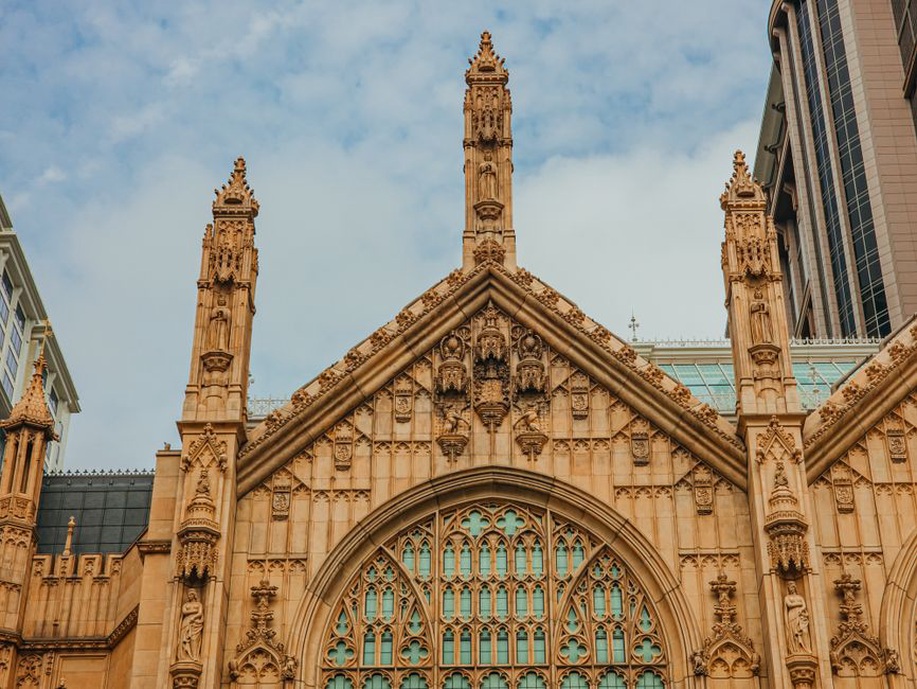
Modern structures often blend traditional elements with contemporary design. The resurgence of Gothic architecture in modern buildings, for instance, incorporates elements like pointed arches and ribbed vaults, but uses materials such as steel and glass, offering new possibilities in strength and aesthetics.
Regional Variations in Architectural Styles
Regional differences significantly influence architectural styles. Urban areas often reflect global trends, creating a mix of international styles. In contrast, rural areas tend to preserve traditional architectural elements that echo local culture and history. This contrast highlights the diversity in architectural practices across different settings.
For more insights into how architectural design varies between urban and rural settings, you can explore our detailed discussion on navigating architectural design in urban and rural settings.
The Influence of Cultural Movements
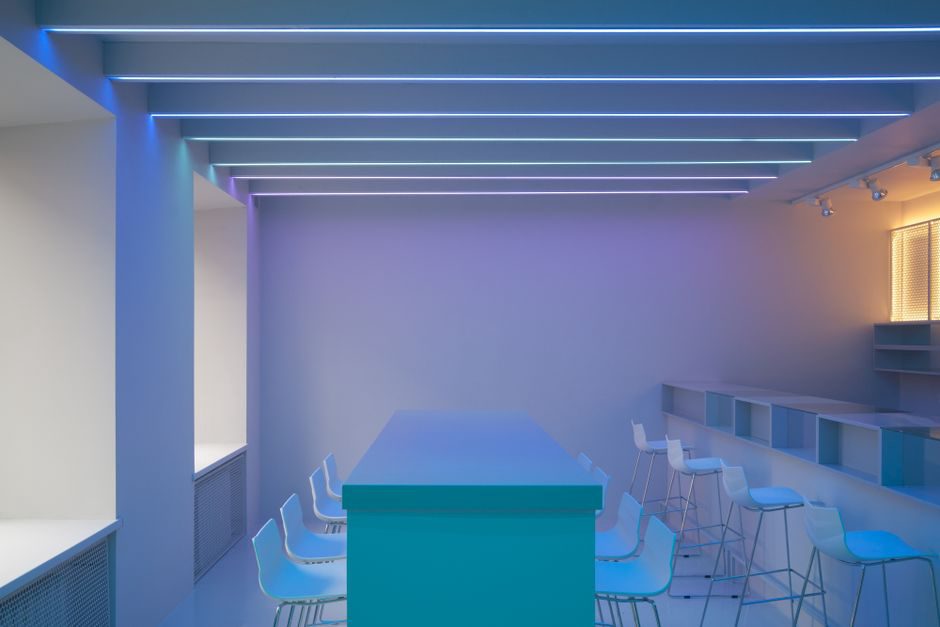
Cultural movements and philosophies also shape architectural styles. The Minimalism movement, which focuses on simplicity and functionality, has left a significant mark on modern architecture. It discards excessive ornamentation in favor of clean lines and open spaces, mirroring a cultural shift towards simplicity and sustainability.
Similarly, the Deconstructivism movement challenges traditional architectural norms with fragmented and non-linear designs. This movement reflects a cultural shift towards questioning established conventions and embracing innovation and complexity.
Globalization and Hybrid Architectural Styles
Globalization has encouraged the exchange of ideas and practices, leading to hybrid architectural styles that blend elements from various cultures. These styles often result in unique and innovative designs that cater to diverse cultural preferences and needs. The impact of globalization is particularly visible in mixed-use developments, where the integration of residential, commercial, and recreational spaces reflects a global trend towards multifunctional living environments. For a deeper understanding of this trend, consider our article on how mixed-use developments are shaping modern cities.
Challenges and Opportunities
Cultural influences enrich architectural design but also present challenges. Balancing cultural authenticity with modern functionality requires careful consideration and expertise. Architects must address these complexities to create spaces that are both culturally meaningful and practically efficient.
- Respecting cultural heritage: New constructions should not overshadow or harm historical sites and traditional designs.
- Incorporating sustainable practices: Traditional designs need to adapt to modern sustainability standards without losing their cultural significance.
- Meeting diverse needs: Designing spaces for a culturally diverse population while maintaining coherence and identity is essential.
These challenges also offer opportunities for innovation and creativity in architectural design, allowing for the creation of spaces that are both functional and culturally resonant.