
Architecture goes beyond aesthetics; it involves creating spaces that support human health and efficiency. Environmental psychology, which investigates how our surroundings affect our behavior and emotions, offers valuable insights for architectural design. By understanding this connection, architects can devise more effective and humane solutions.
The Role of Environmental Psychology in Architecture
Environmental psychology studies the interaction between people and their physical environments. It looks at how elements like light, color, space, and sound influence our experiences. Architects can apply these principles to design spaces that enhance functionality, comfort, and emotional well-being.
Light and Color
Natural light plays a crucial role in architecture, significantly affecting mood and productivity. Research indicates that exposure to natural light can boost mood and reduce stress. Similarly, color psychology reveals that different colors can trigger specific emotions. For instance, blue often evokes calmness, while yellow can inspire creativity. By strategically incorporating these elements, architects can create environments that improve user experiences.
Spatial Layout
The arrangement of space influences how people interact within it. Open-plan designs can foster collaboration and communication, whereas segmented spaces might be better for privacy and focused work. Environmental psychology helps architects understand how these layouts can affect social interactions and personal well-being.
Practical Applications in Various Building Types
Principles of environmental psychology can be applied to different building types, each with its own needs and challenges.
Residential Buildings
In residential architecture, the goal is to create spaces that encourage relaxation and comfort. Elements like room orientation, noise insulation, and access to outdoor areas can greatly impact quality of life. By considering the psychological needs of residents, architects can design homes that are both functional and nurturing.
Commercial Spaces
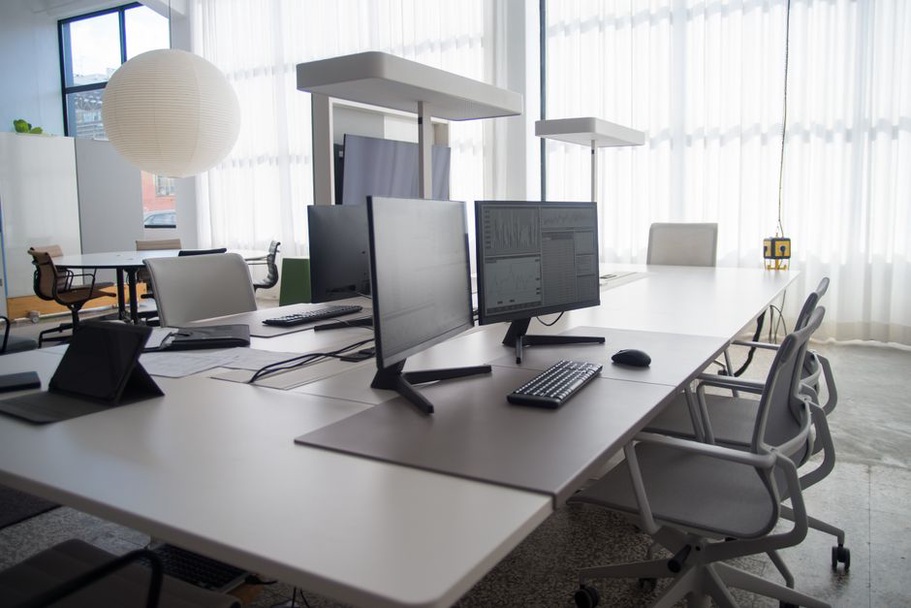
In commercial environments, design must address both employee productivity and customer experience. Incorporating biophilic design, which brings natural elements into the built environment, can reduce stress and enhance cognitive function. Studies show that workplaces with plants and natural materials lead to higher job satisfaction and less absenteeism.
The layout of commercial spaces also affects consumer behavior. Retail spaces that are easy to navigate and have clear signage can improve customer satisfaction and boost sales. These insights highlight the importance of considering psychological factors in architectural design.
Educational and Healthcare Facilities
Educational and healthcare settings benefit greatly from environmental psychology insights. In schools, classroom design can influence learning outcomes. Spaces with flexible seating and natural light have been shown to boost student engagement and performance.
Similarly, in healthcare facilities, design elements that reduce stress and promote healing are vital. Research on hospital design has found that views of nature and access to natural light can significantly improve patient recovery times. Innovations in healthcare architecture, as discussed in the article on post-pandemic perspectives, further underscore the importance of integrating psychological insights into design.
Challenges and Considerations
While integrating environmental psychology into architecture offers many benefits, it also presents challenges. One key consideration is balancing visual appeal with functionality. Architects must ensure their designs are not only attractive but also meet users' psychological and practical needs.
Cost can also be a limiting factor. Implementing certain design elements, like advanced lighting systems or biophilic features, may require additional investment. However, these costs can often be offset by the long-term benefits of improved user satisfaction and productivity.
- Adaptability: Spaces should be adaptable to meet changing needs over time.
- Inclusivity: Designs should be inclusive, accommodating diverse user needs and preferences.
- Sustainability: Incorporating sustainable design principles can enhance both environmental and human well-being.
The intersection of architecture and environmental psychology offers a promising path for creating spaces that truly enhance human experiences. By applying these insights, architects can design buildings that serve their functional purposes while fostering positive emotional and social interactions.
For those interested in creating inclusive spaces, exploring key design elements and best practices in recreational architecture can provide further insights into integrating psychology into design.