
Understanding the Necessity of Project Permits
Securing project permits is a vital step in any construction endeavor, whether it's for residential, commercial, or public buildings. These permits ensure that all work aligns with local regulations and safety standards, protecting both the public and the environment. Skipping this step can lead to significant fines, construction delays, and even legal complications. Therefore, it's crucial for those involved in architecture and construction to grasp the essentials of project permits.
Key Steps in the Permit Process
The process of obtaining permits can be intricate and varies by location and project type. However, some fundamental steps apply universally:
- Research Local Regulations: Before starting a project, familiarize yourself with local building codes and zoning laws. Each municipality has its own rules dictating what can be built, where, and how.
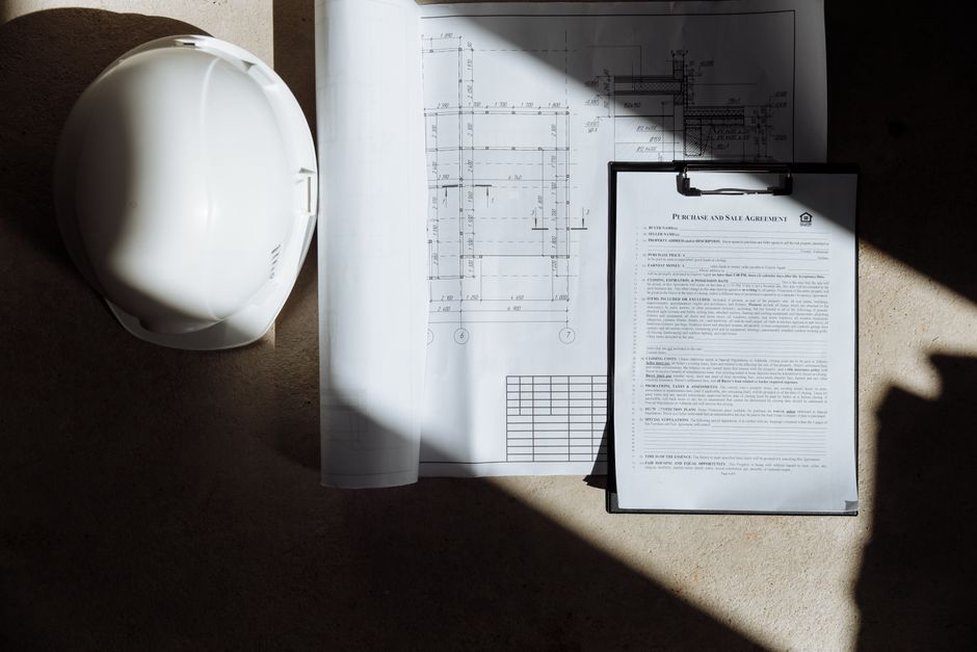
- Prepare Necessary Documentation: This typically includes detailed site plans, architectural drawings, and engineering reports. These documents must clearly outline the project's scope and specifics.
- Submit Permit Application: Once your documentation is ready, submit your application to the appropriate local authority. This step may involve fees, which vary by jurisdiction and project scale.
- Review and Approval: The local authority will review your application to ensure it complies with all relevant regulations. This stage may require revisions and resubmissions.
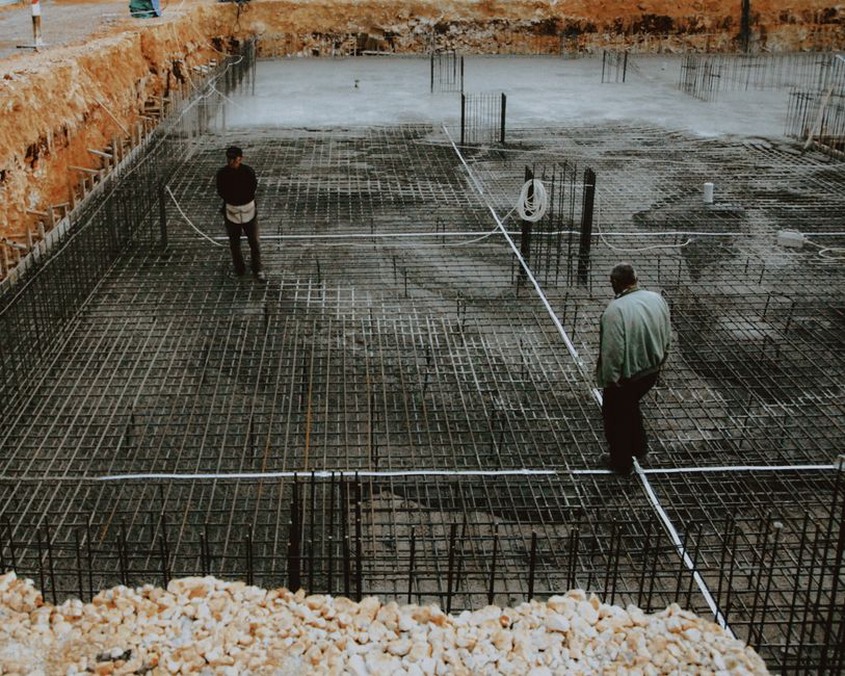
- Inspections: After approval, periodic inspections are conducted to ensure ongoing compliance with the permit's specifications throughout the construction process.
Common Pitfalls and How to Avoid Them
Despite best efforts, several obstacles may arise during the permitting process. Anticipating these challenges can save time and resources:
Inadequate Documentation
Incomplete or inaccurate documentation is a frequent issue that can lead to delays. Ensure all architectural and engineering plans align with local codes. Collaborating with experienced architects and engineers who understand regulatory requirements is beneficial.
Overlooking Zoning Laws
Zoning laws, often overlooked, can significantly impact project viability. These laws dictate land use and can restrict the height, size, and purpose of a building. For commercial projects, understanding zoning requirements is crucial, as discussed in Navigating the Complex World of Zoning Laws in Commercial Real Estate.
Ignoring Environmental Considerations
Environmental regulations are becoming increasingly stringent, especially in public building projects. Failing to address these can halt a project. Incorporating sustainable materials and practices can aid compliance and contribute to a project’s overall success, as explored in Exploring Sustainable Materials in Public Building Projects.
The Role of Professional Guidance
Engaging professionals who are well-versed in local regulations and the permit process is invaluable. They can offer insights on potential pitfalls and provide solutions specific to project needs. Professional assistance can also streamline the application process, from preparing documents to liaising with authorities.
Ultimately, effectively managing the permit process requires a combination of detailed knowledge and strategic planning. By approaching this task with diligence and foresight, project stakeholders can sidestep common pitfalls and ensure smooth progression through the various stages of development.