
The Role of Architecture in Shaping Communities
Architecture significantly influences the communities we live in, impacting societal well-being in various ways. It goes beyond mere construction to enhance life quality and foster social interaction. The spaces we occupy, whether homes, offices, or public areas, are crafted to meet diverse human needs. Good architectural design considers accessibility, sustainability, and aesthetics, all contributing to societal well-being.
Designing for Health and Comfort
Architecture plays a crucial role in promoting health and comfort. Buildings with ample natural light, proper ventilation, and sound acoustics can significantly improve mental and physical health. For example, schools with optimized acoustics offer better learning environments, as discussed in Enhancing Learning Through Better Acoustics in Schools. Similarly, healthcare facilities designed with a focus on patient needs can lead to faster recovery and increased satisfaction.
Urban Planning and Residential Architecture
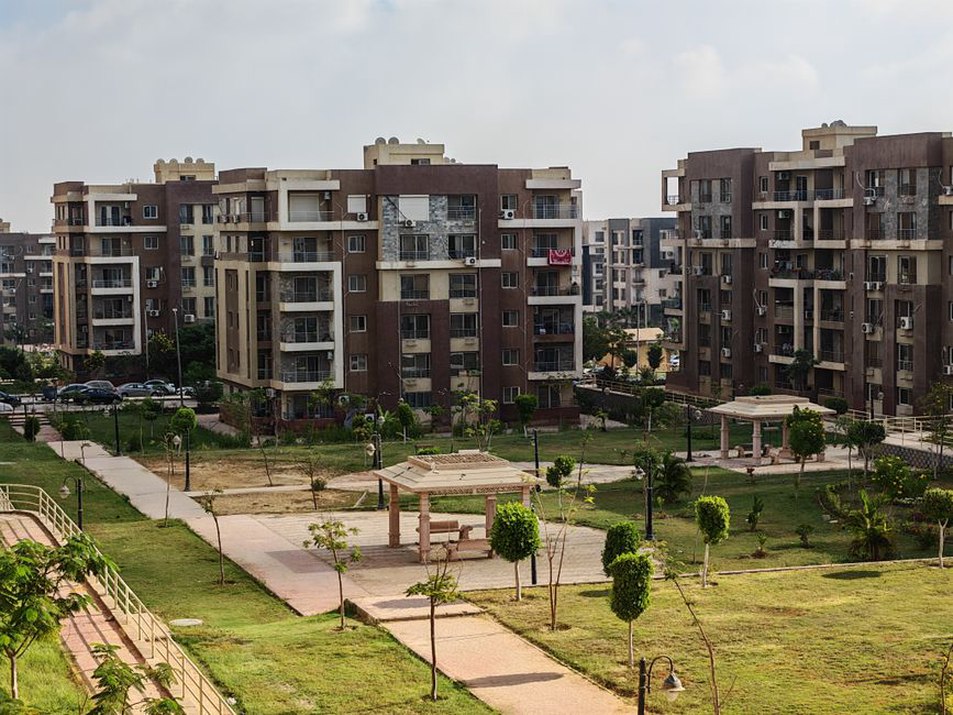
Urban planning and residential architecture are closely linked in shaping community living conditions. Thoughtful urban planning ensures that residential areas are not only habitable but also sustainable, incorporating green spaces and community facilities to encourage social bonds. The effects of urban planning on residential architecture are detailed in Exploring the Impact of Urban Planning on Residential Architecture, highlighting how strategic planning enhances life quality.
Promoting Sustainability Through Design
Modern architecture increasingly focuses on sustainability to minimize environmental impact and enhance resource efficiency. This involves using renewable energy, efficient water management, and eco-friendly materials. Architects are challenged to design buildings that benefit both occupants and the environment, promoting ecological balance and societal responsibility.

Fostering Community Interaction
Architectural design plays a vital role in encouraging social interaction and community building. Spaces like parks, plazas, and community centers are designed to promote engagement and a sense of belonging. Adaptive reuse projects, which convert old structures into community spaces, are gaining popularity. These projects exemplify how architecture can rejuvenate urban areas, as explored in Revitalizing Urban Spaces: The Growing Trend of Adaptive Reuse.
Technology and Modern Architectural Practices
Technological advancements have transformed architectural design, enabling more innovative and efficient spaces. Digital tools like Building Information Modeling (BIM) enhance collaboration and precision, leading to better societal outcomes. The influence of technology on architecture is discussed in How Technology is Shaping Modern Architectural Design.
Architecture profoundly impacts societal well-being through its focus on health, sustainability, interaction, and technology. By addressing these areas, architects can create spaces that not only fulfill functional needs but also improve life quality and foster thriving communities.