
Understanding Urban Density
Urban density measures the concentration of people within a city area. This factor significantly impacts how cities function, their sustainability, and their overall livability. High-density areas can lead to more efficient resource use and better public transport systems, whereas low-density areas are often prone to urban sprawl. Urban planners and architects strive to find a balance, creating environments that are both functional and enjoyable for residents.
Architectural Solutions to Urban Density
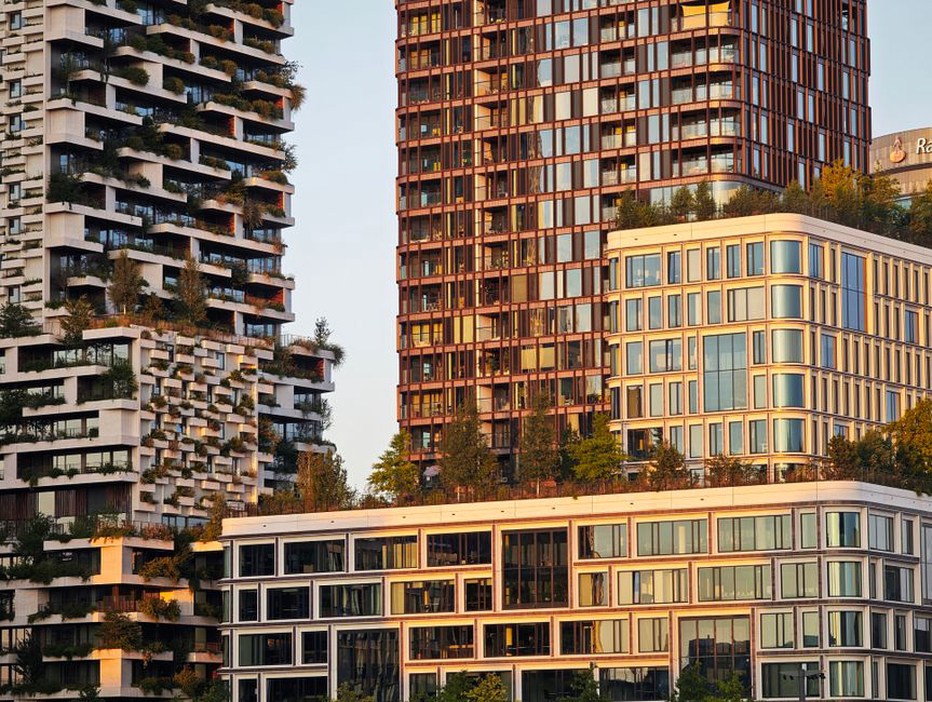
Addressing the challenges of high density calls for creative architectural approaches that make the most of available space while maintaining quality of life. One effective strategy is vertical living, where tall buildings provide residential and commercial spaces without expanding the city's footprint. These high-rises not only house more people but also include amenities that improve urban living.
Mixed-Use Developments
Mixed-use developments combine residential, commercial, and recreational areas, minimizing the need for long commutes and fostering a community-centered atmosphere. By integrating these elements, architects can design neighborhoods that support economic growth and social interaction. For more on this topic, see our detailed discussion on Mixed-Use Development: Structural, Legal, and Market Challenges From Schematic Design Through Operation.
Efficient Public Transportation
Incorporating public transportation into urban planning is crucial for high-density regions. Well-planned transit systems decrease reliance on private cars, reducing traffic congestion and pollution. Architectural design is key in creating transit-oriented developments that are easily accessible and convenient for city dwellers.
Green Spaces and Recreation Areas
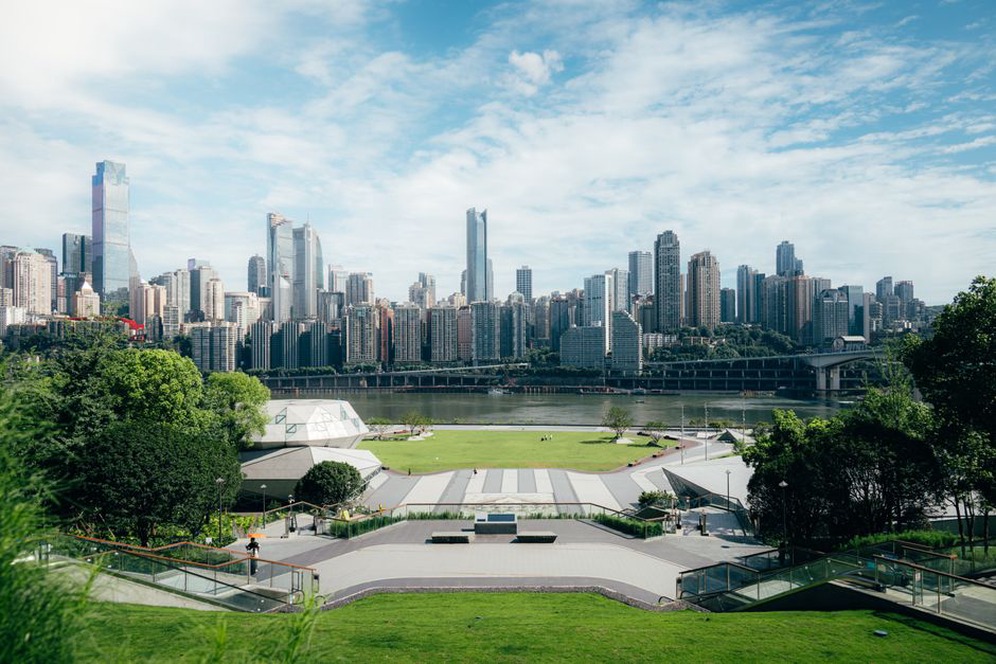
Green spaces are essential in urban settings to mitigate the effects of high density. Parks, gardens, and recreational areas offer much-needed respite and enhance both physical and mental health. These spaces also boost biodiversity and help manage urban heat, making cities more adaptable to climate change.
Challenges in High-Density Urban Design
High-density urban areas bring numerous advantages but also pose significant challenges. Overcrowding can strain infrastructure and resources, prompting the need for innovative solutions to maintain sustainability and quality of life.
Infrastructure Strain
Living in densely populated areas can stress existing infrastructure, such as water, waste management, and energy systems. Architects and planners must develop resilient systems capable of adapting to increased demands. Upgrading infrastructure and integrating smart technologies are critical steps in tackling these challenges.
Social Challenges
Dense urban environments can amplify social issues like inequality and isolation. Designing communities with shared spaces and inclusive housing policies can help alleviate these problems by promoting social integration and accessibility. To explore the technical aspects of designing accessible public spaces, refer to our article on Technical Dimensions of Accessible Public Building Design.
Environmental Concerns
If not properly managed, high-density developments can harm the environment. Efficient building designs that focus on energy conservation, waste reduction, and sustainable materials are essential. According to Wikipedia's entry on sustainable urbanism, incorporating these practices is vital for minimizing the ecological impact of urban areas.
Conclusion: Shaping the Future of Urban Density
The future of urban density depends on the ability of architects and urban planners to design spaces that are livable, sustainable, and adaptable. By adopting innovative design solutions and addressing the challenges associated with high-density living, cities can flourish without compromising quality of life or environmental health. As urban areas continue to expand, thoughtful design and planning become increasingly important, ensuring that city spaces remain dynamic and viable for future generations.