
Understanding Energy Efficiency in Architecture
Energy efficiency in architecture is about reducing a building's energy use without sacrificing comfort or functionality. This approach is vital for environmental sustainability and economic viability. Energy-efficient buildings cut greenhouse gas emissions and lower operating costs, making them appealing to developers and occupants alike.
Central to energy-efficient design is finding the right balance between minimizing energy consumption and maximizing occupant comfort. This balance is achieved through strategies like using high-performance materials, implementing innovative technologies, and adopting thoughtful design processes.
Key Elements of Energy-Efficient Design
Several key elements are involved in integrating energy efficiency into architectural design:
- Building Orientation: The placement and orientation of a building can greatly affect its energy efficiency. By maximizing natural light and optimizing solar gain, architects can reduce dependence on artificial lighting and heating.
- Insulation and Thermal Mass: Proper insulation and the use of thermal mass materials help maintain consistent indoor temperatures, reducing the need for heating and cooling.
- Ventilation: Effective natural ventilation strategies and advanced HVAC systems ensure indoor air quality and thermal comfort while minimizing energy use.
- Renewable Energy Integration: Incorporating renewable energy sources such as solar panels can offset a building's energy consumption, contributing to its overall efficiency.
Architectural Design Challenges
While the benefits of energy-efficient buildings are clear, achieving this balance poses several challenges. Architects must consider the aesthetic appeal of the design while integrating energy-saving features. This often requires innovative solutions that do not compromise the building's visual and functional qualities.
For instance, integrating solar panels can affect the visual aesthetics of a building's exterior. Architects need to creatively incorporate these panels into the design to maintain the building's visual integrity.
Case Study: Successful Integration
A notable example of successful energy-efficient architectural design is the Bullitt Center in Seattle. Often referred to as the 'greenest commercial building in the world,' it combines energy-efficient design with aesthetic appeal. The building utilizes natural ventilation, extensive daylighting, and a rooftop solar array that produces more energy than the building consumes annually.
This example highlights the potential for strategic planning and innovative design to achieve both energy efficiency and architectural excellence.
Regulatory and Economic Considerations
Achieving energy efficiency requires navigating various regulatory frameworks and building codes. These regulations can vary significantly by region and must be thoroughly understood to ensure compliance. Our guide to understanding building codes offers insights into navigating these complex requirements.
Economically, the initial cost of integrating energy-efficient systems can be high, but the long-term savings in operational costs often justify the investment. Developers and investors should weigh both short-term and long-term financial implications when planning for energy-efficient buildings.
Future Trends and Opportunities
The future of energy-efficient architecture is promising, with advancements in technology and materials continually emerging. Building Information Modeling (BIM) is one such technology that enhances the design process by providing detailed insights into energy performance and facilitating more informed decision-making. For more on this topic, explore the impact of Building Information Modeling in architecture.
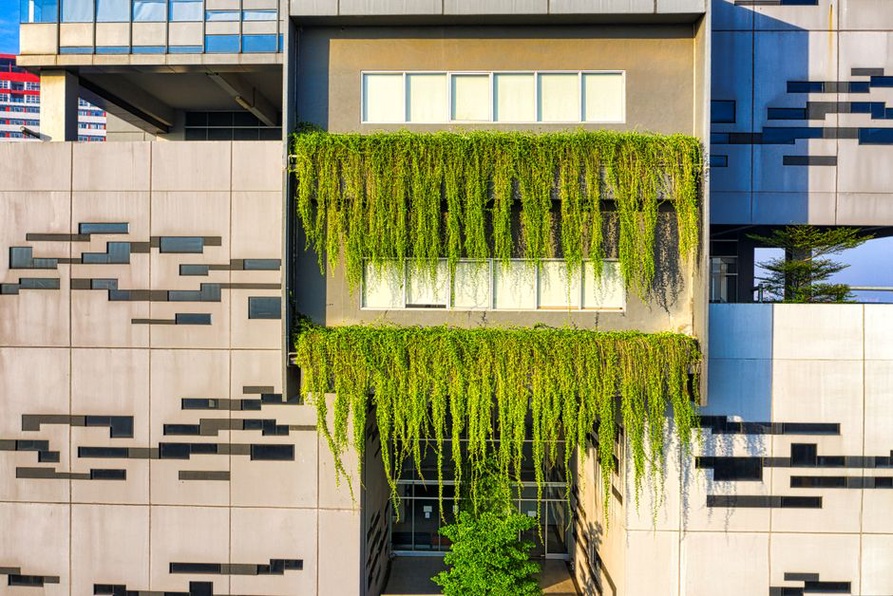
Another trend is the increasing focus on smart city development, where energy-efficient buildings play a critical role. Integrating architecture into smart city frameworks can lead to more sustainable urban environments.
Conclusion: A Strategic Approach
Balancing energy efficiency with architectural design requires a strategic approach that considers technical, aesthetic, and economic factors. By prioritizing energy efficiency from the outset of the design process, architects can create buildings that are environmentally sustainable, economically viable, and aesthetically pleasing. This holistic approach ensures that energy-efficient buildings continue to meet the needs of their occupants while positively impacting the environment.