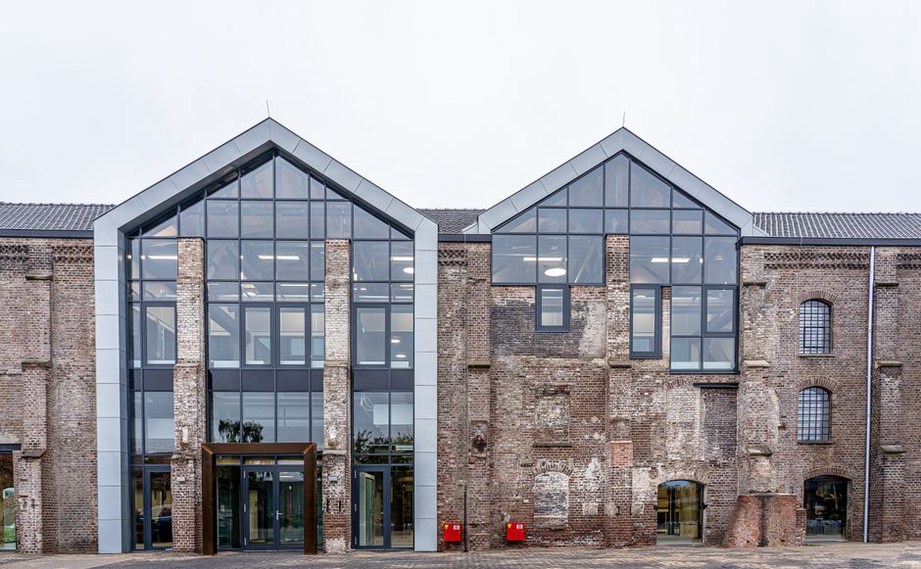
Historic buildings provide a fascinating window into past architectural styles and cultural stories. Yet, as cities grow and change, keeping these structures functional in their original form often becomes unrealistic. The process of adapting them for modern purposes is filled with both hurdles and potential benefits, offering a way to maintain cultural heritage while addressing today's needs.
Key Challenges in Adapting Historic Buildings
A major hurdle in adapting historic buildings is maintaining their architectural integrity while updating them for modern use. This task requires careful planning and collaboration with conservation experts. Many of these buildings were constructed before the advent of modern utilities like electrical systems, plumbing, and climate control, which are now essential.
Historic buildings also frequently fall short of current building codes and accessibility standards. Retrofitting them to meet these modern regulations can be technically complex and costly. Our guide on designing accessibility in public buildings offers valuable insights into overcoming similar challenges.
Structural and Material Considerations
The materials used in historic buildings often differ significantly from those available today, both in terms of availability and performance. These older materials may have deteriorated, necessitating careful restoration or substitution with modern equivalents that replicate the original look. Conducting structural assessments is vital to ensure the building's stability and safety during and after adaptations.
- Material Compatibility: It's crucial to use new materials that are compatible with the old ones to avoid further deterioration.
- Load-bearing Capacity: Assessing the building's ability to support new uses is essential, which might involve reinforcing existing structural elements.
Historic buildings can also serve as excellent examples of sustainable building practices. Engaging with innovative materials in sustainable building design can provide solutions that respect both the environment and historical integrity.
Strategies for Successful Adaptation
Successful adaptation strategies start with a detailed assessment of the building's condition and historical importance. This involves documenting architectural features, materials, and any previous changes. Engaging stakeholders, including local heritage bodies, architects, and the community, is essential to align expectations and meet regulatory requirements.
Integrating Modern Amenities
Integrating modern amenities requires creative design solutions that honor the building’s heritage. Concealed installations, such as hidden wiring and plumbing, can maintain the aesthetic while enhancing functionality. Additionally, using reversible interventions allows future restorations to remove modern modifications without harming the original structure.
- Energy Efficiency: Implementing energy-saving solutions, such as LED lighting and smart climate control systems, can lower operational costs and reduce environmental impact.
- Adaptable Spaces: Creating flexible spaces that can serve various purposes without major structural changes is key.
Gathering feedback from current building occupants and potential users can also inform design decisions, ensuring that the adapted space meets modern needs while respecting its historical context.
Case Studies and Examples
There are numerous examples worldwide of successful adaptations of historic buildings. For instance, converting industrial spaces into modern residential areas demonstrates how adaptive reuse can revitalize old structures. In many cities, warehouses and factories have been transformed into loft apartments and office spaces, blending historical charm with modern amenities.
Similarly, adapting educational and healthcare facilities often involves upgrading infrastructure to meet more stringent requirements. These projects exemplify how old structures can fulfill modern demands without sacrificing their historical value.
Balancing Preservation and Progress
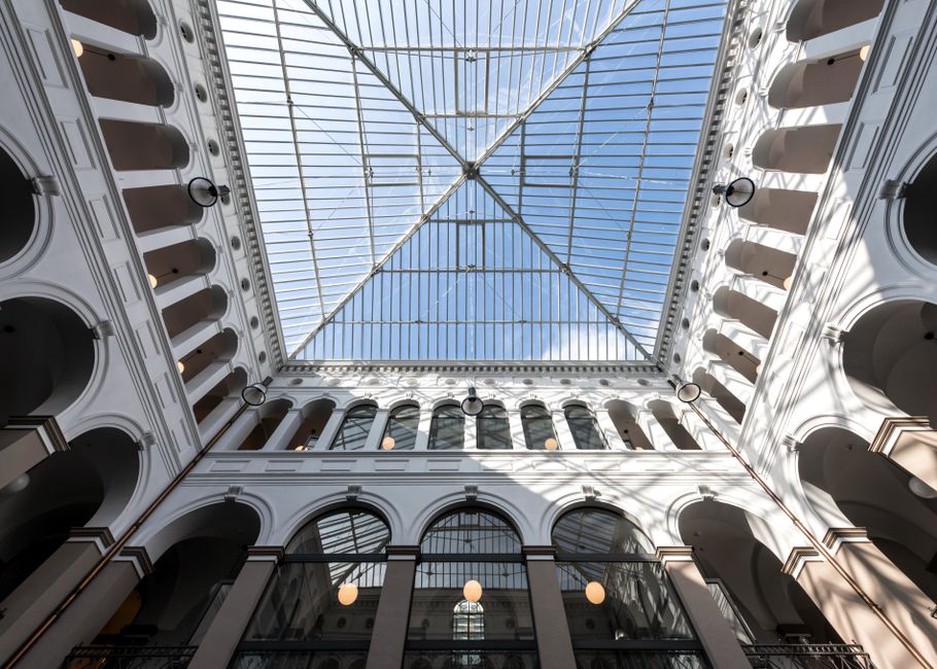
Ultimately, adapting historic buildings for modern use involves balancing preservation with progress. It requires respect for the past while embracing future needs, ensuring these structures remain relevant and functional in today's urban settings. By thoughtfully addressing structural, regulatory, and design challenges, we can protect our architectural heritage while meeting contemporary demands.
As highlighted by The Guardian, adaptive reuse not only conserves resources but also supports sustainable urban development by reducing the need for new construction. As we continue to explore innovative solutions in architecture, the adaptive reuse of historic buildings will remain a vital strategy in fostering urban resilience and cultural continuity.