
The Impact of Architectural Design on Healthcare Outcomes
Architectural design is a vital element in shaping the environments of public health facilities, directly influencing patient outcomes and staff efficiency. Thoughtfully designed spaces enhance functionality, accessibility, and atmosphere, leading to better patient care and higher employee satisfaction.
Healthcare environments significantly impact patient recovery rates and mental well-being. Research highlights that aspects like natural lighting, noise control, and air quality can greatly affect patient health and staff productivity. Incorporating these elements into the design of public health facilities is not just advantageous but necessary.
Key Considerations in Designing Health Facilities
Architects face several important considerations when designing health facilities to ensure these spaces are both functional and healing. These include:
- Spatial Layout: Efficient spatial arrangements help streamline operations, reduce stress, and improve accessibility for patients and staff.
- Natural Elements: Integrating green spaces and natural light creates calming environments, aiding patient recovery and lowering stress levels.
- Flexibility: Designing adaptable spaces that can accommodate evolving medical technologies ensures long-term usability.
- Safety and Privacy: Strategic design decisions are crucial to maintaining patient safety and privacy in healthcare architecture.

Designing for Patient-Centric Care
Patient-centric design focuses on creating environments that prioritize patient needs and experiences, encouraging healing by reducing stress and promoting comfort. Features such as soothing color palettes, quiet zones, and comfortable waiting areas can greatly enhance patient experience. Additionally, integrating advanced technology for easy navigation and communication further supports patient-centric care.
For those interested in exploring how modern architecture principles can be applied to create user-centric buildings, Designing User-Centric Buildings: A Guide to Modern Architecture offers valuable insights.
Architectural Innovations in Healthcare
Innovative architectural solutions are reshaping healthcare facilities into more efficient spaces. Innovations like modular construction allow for rapid assembly and disassembly, while sustainable materials improve energy efficiency and reduce environmental impact.
The integration of smart technologies is another significant trend, enhancing operational efficiency and patient care. For instance, automated systems for lighting and climate control, along with digital wayfinding solutions, are becoming common in healthcare facility designs.
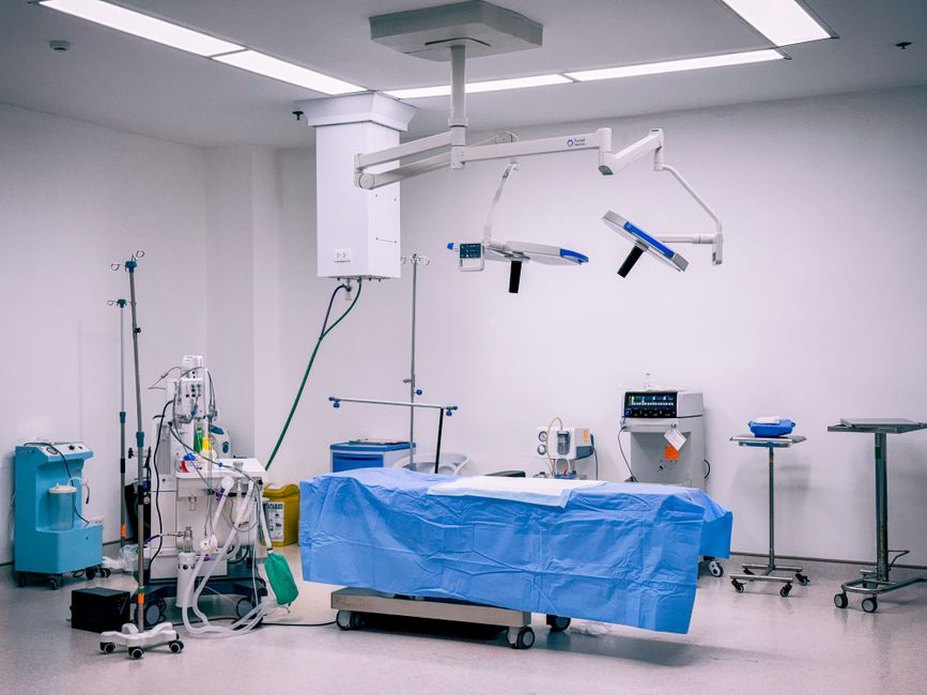
Future Trends in Healthcare Architecture
The future of healthcare architecture is set to embrace sustainability, technology, and adaptability. As healthcare service demands evolve, so must the spaces where they are delivered. Architects are now incorporating features that allow facilities to adapt to changing healthcare needs and technologies.
For a deeper dive into emerging trends in healthcare facility design, consider reading Emerging Trends in Healthcare Facility Design, which discusses the latest developments in this field.
Conclusion: The Essential Role of Architecture in Healthcare
Architecture is a crucial component in the design of public health facilities. By focusing on patient-centric and innovative designs, architects can create spaces that are not only efficient but also promote healing and well-being. As the demand for healthcare services grows, the role of architecture will become increasingly important in crafting environments that support both patients and healthcare providers.