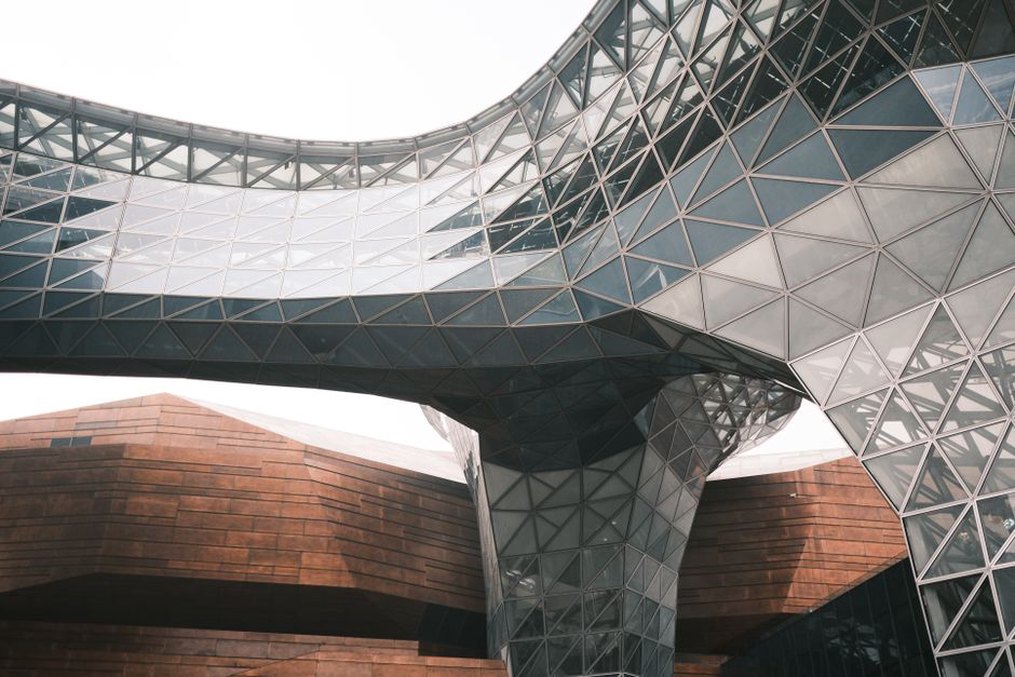
Understanding Iconic Urban Landmarks
Iconic urban landmarks are more than just functional structures; they are cultural, historical, and aesthetic symbols that define city skylines and serve as global identifiers. Creating these landmarks involves a careful blend of creativity, practicality, and relevance to their surroundings.
Key Elements in Designing Urban Landmarks
Designing a landmark involves several crucial elements:
- Contextual Relevance: A landmark should harmonize with its environment, mirroring the cultural and historical essence of the area. This demands a deep understanding of the local context and its historical evolution.
- Architectural Innovation: Unique design solutions can distinguish a landmark. Whether through pioneering materials, distinctive forms, or advanced technologies, innovation captures the imagination and endures over time.
- Functionality: Beyond aesthetics, landmarks must fulfill their intended purpose effectively, considering user interaction and meeting practical needs.
- Sustainability: Modern landmarks should embrace sustainable practices to reduce environmental impact, aligning with global green architecture efforts.
Challenges in Landmark Design
Creating iconic landmarks comes with its own set of challenges. One major hurdle is crafting a design that remains both innovative and timeless. The risk of a design becoming outdated can jeopardize its landmark status. Additionally, these projects often require substantial financial investments, necessitating careful cost management and feasibility studies to ensure they are economically viable.
Another challenge lies in navigating regulatory frameworks, which can vary significantly by location. Architects must work within these constraints while pushing creative boundaries. Collaborating with multidisciplinary teams can help address these challenges by bringing diverse perspectives and expertise to the table. As discussed in The Power of Collaboration in Modern Architecture, effective teamwork is crucial for overcoming complex design hurdles.
Case Studies of Iconic Urban Landmarks
Looking at successful examples of iconic landmarks can offer valuable insights into the design process:
- The Sydney Opera House: Known for its distinctive shell-like structure, the Sydney Opera House is a prime example of how innovative design can become a city's defining symbol. The use of advanced engineering techniques to achieve its complex form underscores the importance of collaboration between architects and engineers.
- The Eiffel Tower: Initially met with criticism, the Eiffel Tower has become an enduring symbol of Paris. Its success is rooted in its bold design, which broke away from the architectural norms of its time, showcasing the potential of steel as a building material.
- Burj Khalifa: As the tallest structure in the world, the Burj Khalifa exemplifies how engineering excellence and architectural vision can create a landmark that embodies modernity and ambition.
The Role of Technology in Landmark Design
Technology is crucial in the design and construction of urban landmarks. Advanced modeling software enables architects to explore complex geometries and simulate environmental impacts. Building Information Modeling (BIM) enhances coordination among various stakeholders, reducing errors and improving project efficiency.
Modular construction techniques also offer potential benefits for landmark design, providing flexibility and speed in construction while maintaining high-quality standards. For more detailed insights, consider exploring Exploring the Impact and Future of Modular Construction.
Conclusion: Shaping the Future of Urban Icons
The creation of iconic urban landmarks is a testament to human ingenuity and creativity. These structures not only enhance the visual appeal of cities but also forge emotional connections with their inhabitants and visitors. By integrating contextual understanding, innovative design, and sustainable practices, architects can create landmarks that define and enrich urban environments for generations to come.