
Understanding Building Information Modeling (BIM)
Building Information Modeling (BIM) offers a digital snapshot of both the physical and functional aspects of a facility. This all-encompassing process involves creating and managing digital models of physical spaces, promoting a collaborative environment among architects, engineers, and construction professionals. BIM aids in visualizing projects and enhances coordination, efficiency, and communication among all parties involved in the design and construction processes.
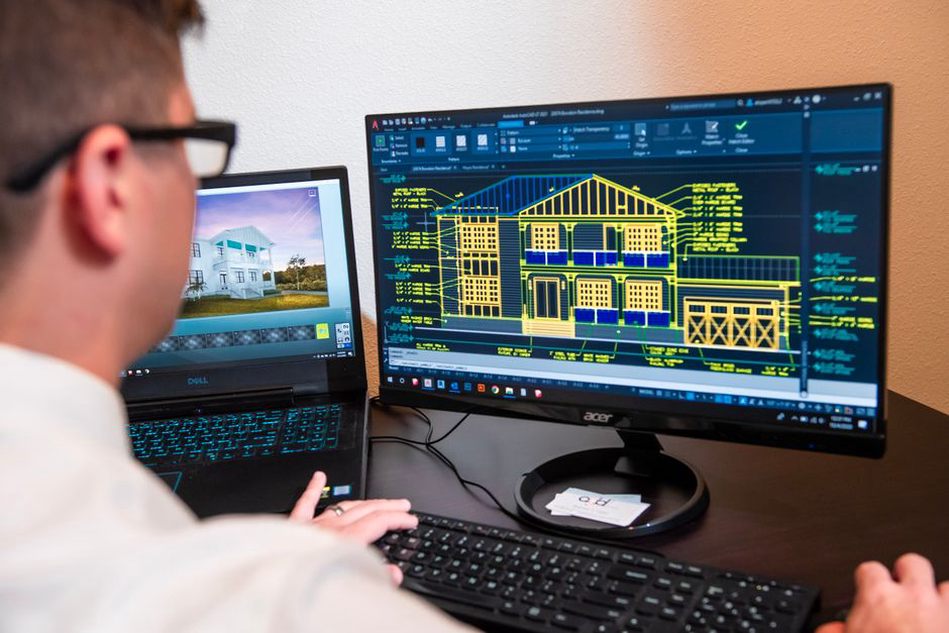
The Role of BIM in Enhancing Project Efficiency
BIM plays a crucial role in improving project efficiency by streamlining various phases of building development. It integrates different design elements into a single model, allowing architects, engineers, and contractors to collaborate effectively. This alignment reduces errors and minimizes the need for rework, saving both time and resources.
In addition, BIM provides accurate data that helps optimize construction schedules, control costs, and improve decision-making. By offering a detailed view of the project, BIM allows stakeholders to anticipate potential challenges and address them proactively, which is vital for managing large-scale architectural projects successfully.
Benefits of BIM in Project Management
- Better Collaboration: BIM enhances communication and teamwork across different disciplines, keeping all project participants aligned.
- Cost Management: With precise cost estimates and real-time data, BIM aids in managing project budgets and reducing financial risks.
- Time Efficiency: By automating processes and minimizing manual errors, BIM speeds up project timelines.
- Risk Mitigation: BIM's predictive insights allow for early detection of potential issues, enabling teams to address risks before they escalate.

Implementing BIM in Various Building Types
BIM's versatility makes it applicable to a wide range of building types, including residential, commercial, healthcare, and educational facilities. Its adaptability is invaluable in designing buildings that meet specific needs and regulatory requirements. For example, when planning healthcare facilities, BIM can incorporate essential data such as patient flow and equipment placement to optimize design for functionality and safety.
According to a report on NPR, employing BIM in healthcare facilities not only boosts operational efficiency but also enhances patient outcomes by ensuring that spaces are designed with precision and care.
Challenges in BIM Adoption
Despite its many advantages, adopting BIM comes with challenges. The initial cost of software and training can be prohibitive for some firms. Additionally, mastering BIM tools and integrating them into existing workflows involves a learning curve. Resistance to change and the need for a cultural shift within organizations can also impede BIM adoption.
Nevertheless, investing in BIM can lead to significant long-term benefits, making it a worthwhile pursuit for firms dedicated to improving project efficiency and delivering high-quality architecture.
Future Prospects of BIM in Architecture
The outlook for BIM in architecture is promising, with ongoing technological advancements driving its evolution. Emerging trends indicate that BIM will increasingly incorporate artificial intelligence and machine learning to enhance predictive capabilities and automate complex tasks. This development could redefine how buildings are designed, constructed, and maintained.
As urban environments grow more intricate, integrating smart architecture with BIM could reshape city planning, offering sustainable solutions that adapt to both urban and natural settings. For more insights on how smart architecture can influence urban development, visit our article on Smart Architecture: A Catalyst for Urban Transformation.