
Understanding Stakeholder Dynamics
In any large architectural project, managing the expectations of those involved is crucial. Stakeholders, including clients, investors, government bodies, and local communities, each have their own priorities and expectations, which can sometimes clash. Successfully balancing these requires a thorough grasp of stakeholder dynamics and a well-thought-out communication plan.
Identifying Key Stakeholders
The initial step in managing expectations is to identify all the key stakeholders in the project. This group includes anyone with a vested interest in the project's outcome, whether directly involved or indirectly affected. By understanding their roles and interests, you can tailor your communication and negotiation strategies effectively.
Effective Communication Strategies
Communication is the backbone of managing stakeholder expectations. Keeping communication clear, consistent, and transparent helps avoid misunderstandings and ensures everyone is on the same page regarding the project's objectives. Regular updates—whether through meetings, reports, or digital channels—keep stakeholders informed about progress and any changes.
- Regular Updates: Hold scheduled meetings or send periodic reports to keep stakeholders informed.
- Transparency: Be upfront about any challenges and changes in the project scope or timeline.
- Feedback Loops: Establish channels for stakeholders to provide feedback and express concerns.
According to Reuters, effective communication can significantly reduce project risks and enhance stakeholder satisfaction.
Setting Realistic Expectations
A frequent issue in large projects is the gap between stakeholder expectations and the project's realities. By setting realistic expectations from the beginning, this gap can be minimized. Clearly define the project's scope, timeline, and deliverables, ensuring all stakeholders understand these parameters.
Negotiating Conflicting Interests
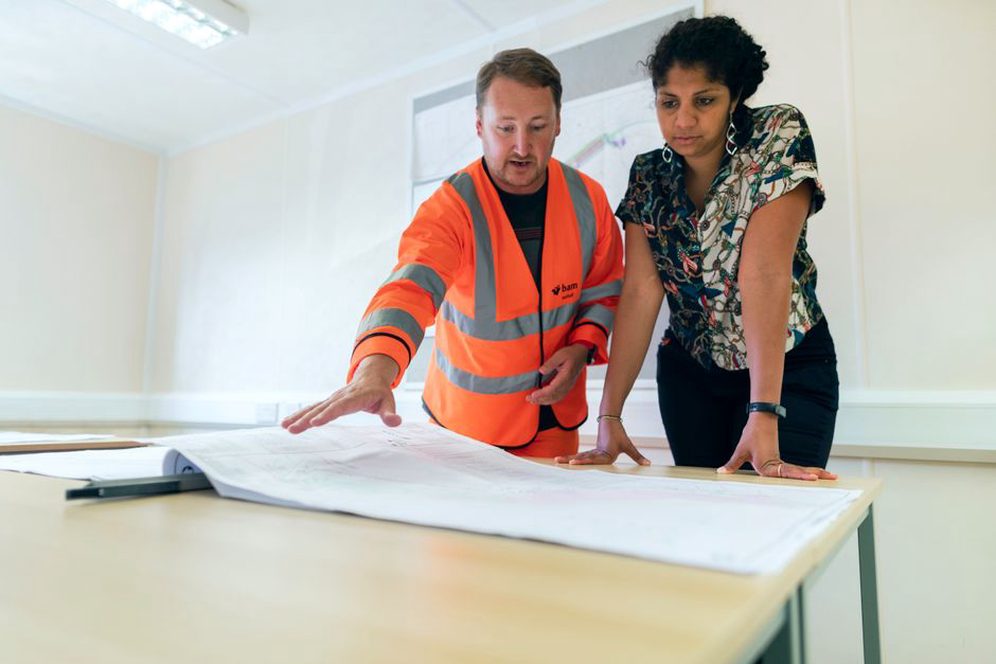
Conflicting interests among stakeholders are common in large projects. For example, a public building project might emphasize sustainability and community benefits, while investors focus on financial returns. Navigating these conflicts requires negotiation skills and a willingness to find compromises that satisfy all parties.
Role of Feasibility Studies
Conducting detailed feasibility studies is essential for aligning stakeholder expectations with practical possibilities. These studies evaluate the project's viability and offer insights into potential risks and benefits. They help stakeholders understand the project's scope and limitations, aiding informed decision-making.
For more on how feasibility studies affect architectural projects, you can explore our article on Navigating the Challenges of Medical Facility Design.
Continuous Stakeholder Engagement
Keeping stakeholders engaged throughout the project lifecycle helps maintain alignment and address emerging concerns promptly. Engagement can vary from formal presentations to casual site visits, ensuring stakeholders remain invested and informed.
- Interactive Workshops: Host workshops to discuss project progress and challenges.
- Site Visits: Invite stakeholders to visit the construction site to observe tangible progress.

Leveraging Technology
Technology plays a vital role in managing stakeholder expectations. Digital platforms enable real-time updates, virtual meetings, and collaborative tools, making it easier to keep stakeholders informed and engaged. The integration of technology in architectural projects is discussed in depth in our article on Navigating Architectural Design in Urban and Rural Settings.
Managing stakeholder expectations in large projects is undoubtedly complex. However, with strategic planning, effective communication, and ongoing engagement, these challenges can be addressed successfully. The ultimate aim is to achieve a balance that meets the diverse needs of all stakeholders while ensuring the project's success.