
Patient-Centric Design
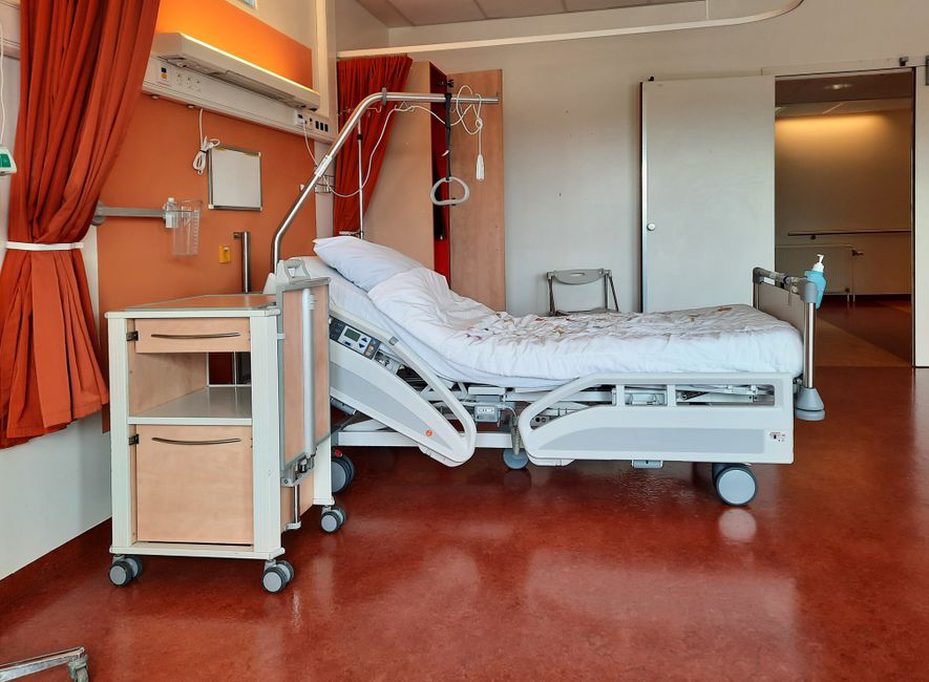
Healthcare facilities are increasingly focusing on creating patient-centric environments that prioritize comfort and healing. This design philosophy incorporates elements like natural lighting, soothing color schemes, and comfortable furnishings in patient rooms and waiting areas. By addressing the emotional and psychological needs of patients, these spaces aim to foster a supportive atmosphere that can aid in recovery.
Integration of Technology
Advanced technology is reshaping healthcare facilities, with innovations such as telemedicine suites and digital wayfinding systems revolutionizing service delivery. Smart building technologies, including automated lighting and climate control, are enhancing both operational efficiency and patient comfort. Digital platforms for patient interaction, scheduling, and medical records management are becoming standard, simplifying processes and enriching the patient experience.
Telemedicine Spaces
As remote healthcare services grow in demand, telemedicine spaces have become essential in modern healthcare settings. These areas are equipped with technology to facilitate virtual consultations, ensuring smooth interactions between healthcare providers and patients. Features like soundproofing and privacy measures are integral to maintaining confidentiality and minimizing distractions.
Sustainability and Energy Efficiency
Sustainability is a key focus in healthcare facility design, with architects and developers using eco-friendly materials and energy-efficient systems to lessen environmental impact. Incorporating solar panels, green roofs, and energy-efficient HVAC systems not only reduces operational costs but also creates a healthier environment for patients and staff. This aligns with broader trends in innovative materials shaping the future of architecture.
Flexible and Adaptive Spaces
To accommodate evolving needs and technologies, healthcare facilities are embracing flexible design principles. Easily reconfigurable spaces allow for adjustments in patient volume, medical technology advancements, and treatment methods. Design elements like movable walls, modular furniture, and multi-purpose rooms enhance adaptability, ensuring that facilities can evolve without extensive renovations.
Community and Public Spaces
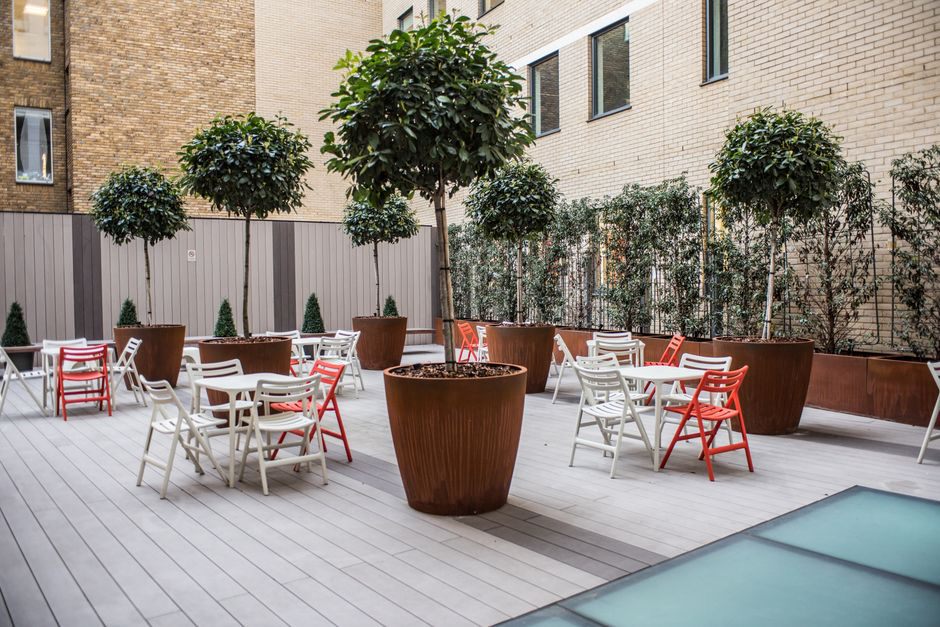
Modern healthcare facilities are incorporating community and public spaces to foster connection and support. These areas, which may include cafes, gardens, and educational spaces, encourage interaction among patients, visitors, and staff. By creating welcoming environments, healthcare facilities enhance social connections and improve the overall experience for everyone involved.
Emphasis on Privacy and Safety
Privacy and safety are crucial in healthcare design. Facilities are integrating architectural elements that enhance patient confidentiality and security, such as separate entries for different patient types, secure access areas, and soundproofing. Safety measures like antimicrobial surfaces and advanced air filtration systems are also being implemented to minimize infection risks and protect both patients and staff.
Conclusion
As healthcare facilities evolve, they are increasingly adopting patient-centric designs, integrating technology, prioritizing sustainability, and creating flexible spaces. These trends are shaping the future of healthcare environments, ensuring that they provide high-quality care and adapt to the ever-changing needs of the healthcare sector.