
Advancements in Architectural Materials
Architectural design is undergoing a significant shift, thanks to the introduction of groundbreaking materials that expand the boundaries of what's possible. These materials, ranging from eco-friendly solutions to advanced composites, are not just about utility; they open up new creative avenues for architects. Some of the most exciting developments include self-healing concrete, cross-laminated timber, and aerogel insulation.
Self-Healing Concrete
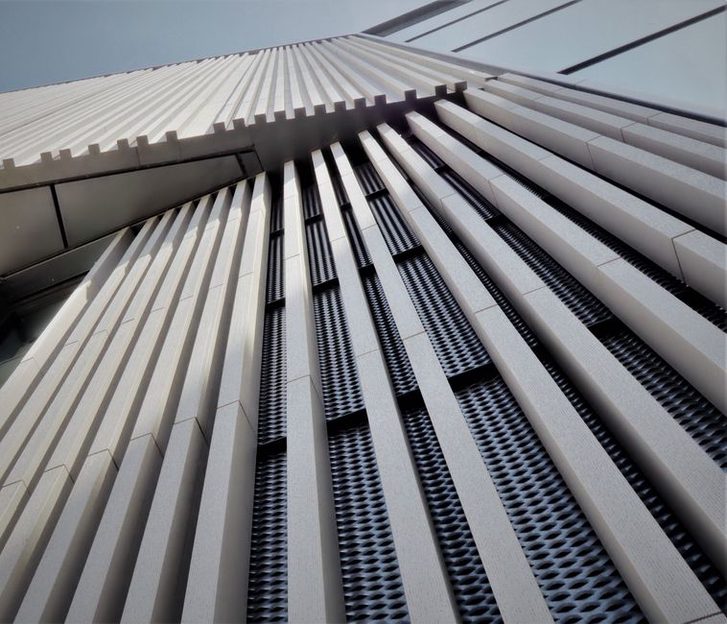
Concrete has long been a staple in construction, but its tendency to crack and erode poses challenges. Enter self-healing concrete, a game-changer that incorporates bacteria capable of producing limestone when exposed to water. This natural process repairs cracks, significantly extending the life of structures and cutting down on maintenance expenses. This innovation is particularly valuable for infrastructure like bridges and roads, where longevity is crucial.
Cross-Laminated Timber (CLT)
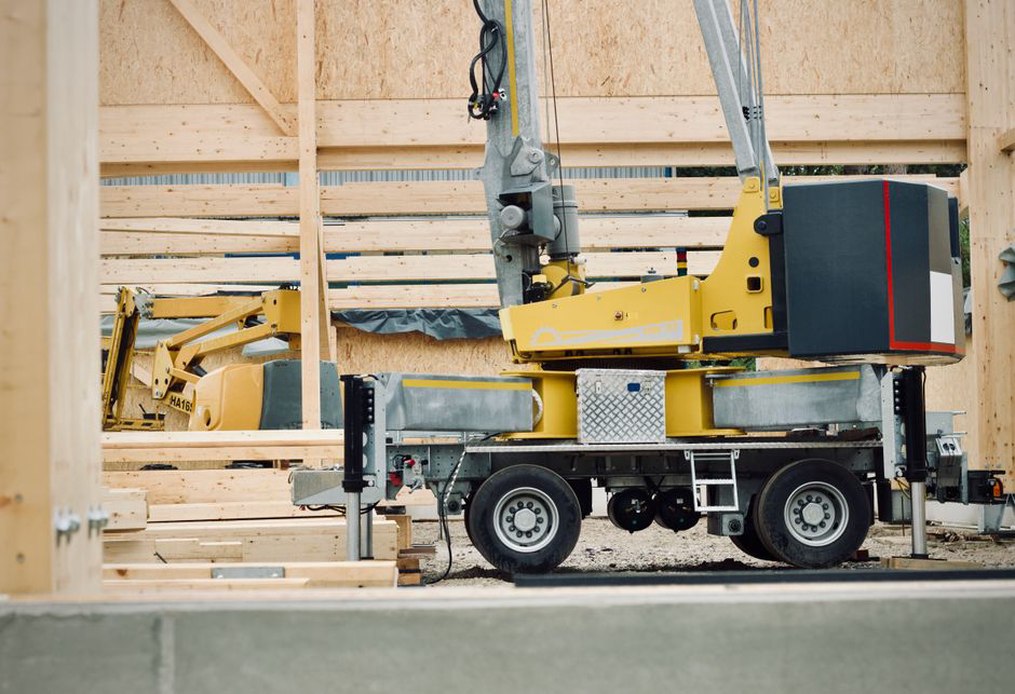
Cross-laminated timber is emerging as a viable, sustainable replacement for traditional materials like steel and concrete. Its layered wooden panels offer comparable strength and stability. CLT is produced from sustainably sourced timber, which helps lower carbon emissions and creates a warmer, more inviting atmosphere. Its adaptability makes it suitable for both homes and commercial spaces, giving architects the freedom to design creatively while meeting environmental standards.
Aerogel Insulation
Aerogel, known for its outstanding insulating capabilities, consists of 98% air yet provides exceptional thermal resistance. This makes it ideal for energy-efficient buildings, where maintaining a stable internal temperature with minimal energy use is essential. Its lightweight nature also reduces the overall weight of structures, allowing for more daring architectural designs without sacrificing strength or stability.
Impact on Urban and Natural Environments
Incorporating these materials into architectural designs not only boosts structural performance but also supports environmental objectives. For example, using sustainable materials like CLT aligns with urban planning efforts to minimize ecological impact. This is in line with strategies discussed in The Role of Landscaping in Urban Design: Benefits, Challenges, and Future Trends, which emphasize the importance of integrating built environments with nature.
Challenges and Considerations
Despite the clear advantages of these innovative materials, architects and developers face hurdles such as cost, availability, and regulatory compliance. While the initial investment in materials like self-healing concrete can be steep, the long-term savings often justify the expense. Additionally, it's crucial to understand local building codes and ensure new materials meet safety and performance standards for successful implementation.
Future Prospects
The field of architectural design is set for ongoing development as new materials continue to emerge. The combination of smart technologies with these materials is expected to further improve building performance, leading to structures that are not only durable but also adaptable to changing environmental conditions. As detailed in The Impact of Technology on Modern Building Design, the interplay between materials and technology is likely to drive the next wave of architectural innovation.
Conclusion
These innovative materials are indeed reshaping architectural design, providing new opportunities for creativity, sustainability, and efficiency. As architects integrate these advancements, the appearance of our cities and communities will evolve, signaling a new era of design that equally values form and function.