
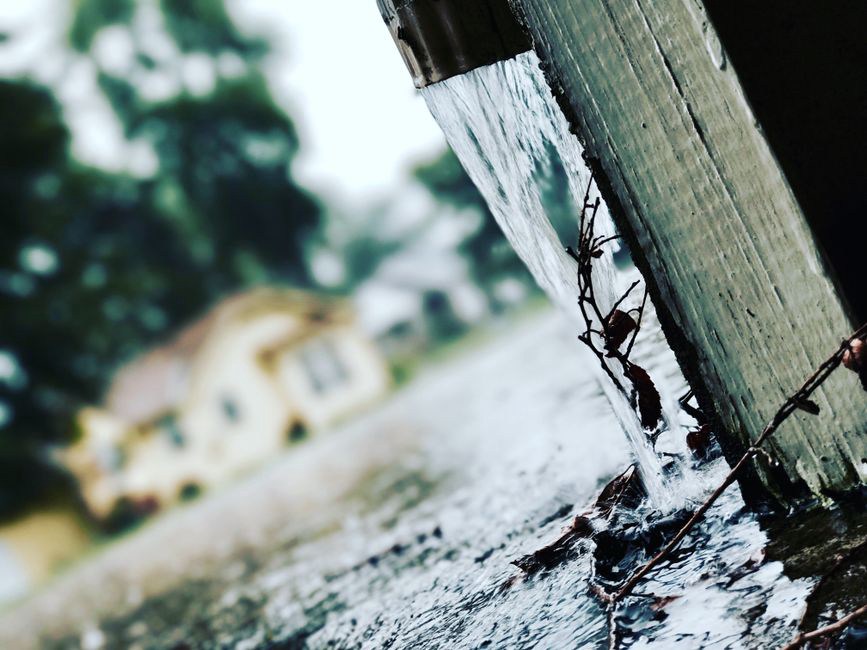
An overflowing gutter can send rainwater against the foundation even when the roof is sound. Watch from the ground during a storm: water should flow into the gutter, through the downspout and away from the building. You may spot a drainage problem this way before it leaves a stain indoors.
Treat seasonal maintenance as a series of short inspections, not a weekend spent trying to fix everything. Record what you find, respond promptly to active leaks and safety hazards, and book qualified help where needed. This schedule assumes distinct seasons; in warmer, wetter or wildfire-prone areas, shift the checks to just before the relevant local weather.
Start with a baseline inspection
Walk around the property and through accessible rooms before splitting tasks by season. Look for new stains, damp smells, damaged seals, loose handrails, dripping fixtures and doors or windows that no longer operate as they did. Photograph defects from the same spot on later visits to see whether they have grown. In a simple log, record the location, date and next action.
- Act now: active water entry, a gas smell, exposed wiring, a sparking outlet or a loose guardrail. Keep people clear and contact the appropriate emergency service or qualified professional.
- Book a repair: recurring condensation, a slow plumbing leak, deteriorated exterior sealant or a downspout that empties beside the wall.
- Monitor: a small, dry mark or minor surface crack that remains unchanged, provided there is no sign of movement or moisture.
Stay within safe reach. Binoculars or an extendable camera can help you inspect roofs and gutters from the ground. A routine check is no reason to open electrical equipment, disturb suspected asbestos-containing materials or enter an unsafe attic or crawl space.
Spring: find what winter left behind
Roof drainage and exterior surfaces
Once snow and freezing conditions have passed, look from the ground for missing or displaced roof covering, bent flashing, sagging gutters and water marks beneath eaves. Clear gutter outlets only if you can reach them safely; get help for high or awkward sections. Check that downspouts are connected and water is not pooling against the building. Where local drainage rules allow extensions, direct the flow to a suitable drainage area without sending it onto a neighbor’s property.
Walk the perimeter after rain. Settled soil beside a wall, blocked surface drains or splash marks on siding can point to water collecting where it should not. Check exterior steps, paths and retaining walls for movement or trip hazards. Inspect visible deck and balcony connections and railings for looseness, rot or corrosion. If you suspect a structural defect, keep the area out of use until it has been assessed.
Airflow and cooling
Before cooling season, clean or replace HVAC filters as the equipment instructions specify, and move furniture clear of supply and return grilles. Check accessible condensate drain outlets for blockages or unexplained water. Leave electrical components, refrigerant lines and internal servicing to a qualified technician. If the system repeatedly shuts off or cannot reach its set temperature, arrange a diagnosis rather than turning the thermostat lower.
Summer: manage heat, water and vegetation
Inspect the shaded and sun-exposed sides of the house separately. Sun can dry and crack sealant, while persistent shade may hide dampness. Look for gaps around windows and doors, peeling finishes and soft wood. Before applying new sealant, find the moisture source and repair any wet or damaged material beneath it.
Trim plants that touch siding, block vents or hold moisture against walls, taking account of plant health and local tree protections. Keep soil and mulch below vulnerable siding or cladding details, as the building’s design requires. Check outdoor taps and hoses for leaks. A patch of ground that stays wet beneath a closed tap may point to a faulty connection.
Using safe access only, check the attic or upper-floor rooms for unusual heat and signs of roof leakage. Keep stored items away from ventilation openings, and do not add makeshift vents: roof assemblies depend on the intended balance of insulation, air sealing and ventilation. If indoor humidity stays high, look for leaks or poorly exhausted bathrooms before relying on a dehumidifier alone.
Autumn: prepare for storms and freezing temperatures
Water pathways and weather protection
Clear fallen leaves from accessible drains, then arrange gutter cleaning after nearby trees have shed most of their leaves. Watch the roof drainage during the next substantial rain. Check that exterior doors latch securely and that weatherstripping makes contact without stopping them from closing. Inspect exposed exterior sealant and schedule repairs while temperature and dryness conditions meet the product’s requirements.
Before freezing weather, disconnect hoses and prepare outdoor taps and irrigation lines using the method appropriate to the installed system. Even frost-proof taps may need hoses removed so they can drain. Find the main water shutoff and confirm an adult occupant can reach it. If the valve is seized, arrange service rather than forcing it.
Heating and fire safety
Test smoke and carbon monoxide alarms with their test buttons. Follow the manufacturer’s battery and replacement instructions, and place alarms as local requirements specify. Have fuel-burning heating equipment and chimneys serviced at the intervals required by the manufacturer and local rules. Never run a fuel-burning outdoor heater or generator inside a home, garage or enclosed porch.
Replace heating-system filters as directed and move stored goods away from equipment and vents. Note any new noises, leaks or uneven performance from radiators, heat pumps or furnaces so you can describe them during a service visit. If you have a fireplace, make sure the damper and chimney have been inspected before use. Visible soot buildup or a smoky smell warrants professional attention.
Winter: watch for problems while systems are under load
After storms, check ceilings, window reveals and attic access areas for new staining, frost or dampness. Ice at the eaves can have several causes, including heat escaping into the roof space or poor drainage. Do not chip ice from roof coverings or stand beneath heavy overhangs. Ask a roofing professional to assess buildup that keeps returning.
During a hard freeze, follow local guidance for protecting vulnerable plumbing. Identify rooms with pipes along poorly insulated exterior walls and keep those spaces appropriately heated. If a pipe freezes and you suspect a leak, shut off the water and seek qualified help; do not use open flames or other high-heat methods. Once it thaws, check nearby walls and cabinets for dampness.
Keep paths, steps, drainage grates and required exits usable. Choose ice-control products suited to the surface and nearby plants, and apply only as much as the label directs. In shared or rented buildings, establish whether maintenance falls to the occupant, owner or building manager before changing equipment or exterior drainage.
Keep the checklist manageable
Seasonal checks do not replace manufacturer maintenance schedules or inspections required by local rules. A water heater, private well, septic system or sump pump may need its own plan. Keep manuals and service dates together, and check warranty conditions before making alterations. Budget separately for consumables, preventive servicing and unexpected repairs. Do not leave an actively spreading stain until the next seasonal visit.
End each inspection by assigning every finding a next step and a date. A note such as “North downspout leaks at upper joint during rain; book repair before the next forecast storm” tells a contractor where to look and gives the owner a deadline for following up.