
Put the half-used bag of spinach where you’ll see it before opening a new one. Otherwise, it’s easy to buy food for a particular meal, push it behind newer groceries and find it only when it’s no longer usable. Cutting waste doesn’t necessarily take an elaborate meal plan. Perishables need to be visible, with a realistic place in the week’s meals.
Start with what is already in the kitchen
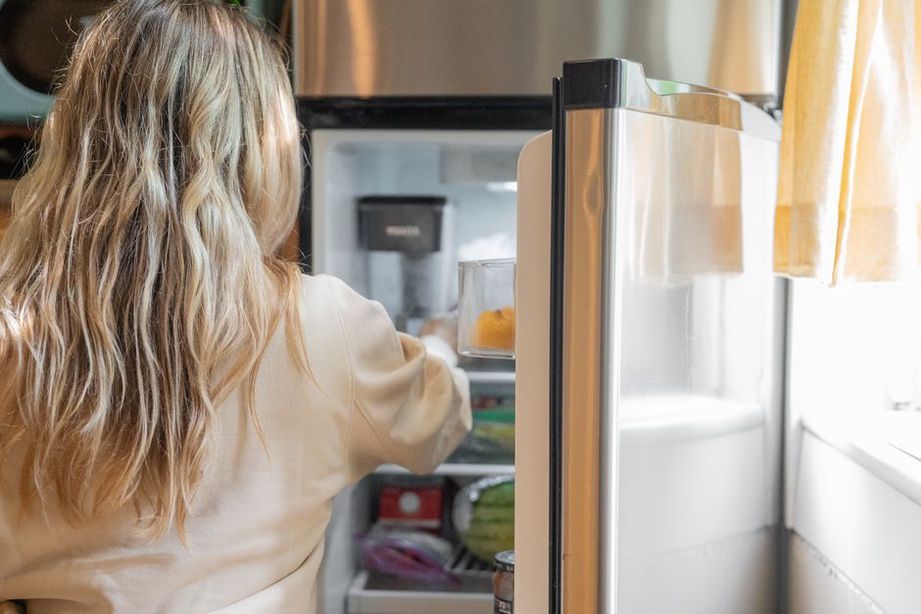
Before shopping, spend five minutes checking the fridge, freezer and pantry. Start with foods that won’t keep long: opened dairy, cooked leftovers, ripe fruit, leafy greens and fresh meat or fish. Choose one or two meals around them, then buy what’s missing. If someone else does the shopping, a photo of the fridge shelf can help them see what’s already there.
Set aside a small “use first” spot at eye level for food that needs attention soon. A clear container or a section of shelf will do, as long as it doesn’t crowd the fridge or block airflow. Move older items forward when you put groceries away, and check for open pantry packages before starting another.
Plan for the week you actually have
Check the calendar before buying ingredients for several dinners. If two evenings are likely to run late, rely on freezer or pantry staples for those meals instead of fresh ingredients that require time to cook. Leave one dinner open for leftovers, changed plans or produce that ripens sooner than expected.
Write a list that helps prevent duplicates. “Two tomatoes for sandwiches” is more useful than “vegetables.” If a recipe uses only part of an ingredient, decide what you’ll do with the rest: cabbage left after tacos could become slaw, and extra herbs could go into eggs or soup. When a second use is unlikely, a smaller package may cost less overall, even if its unit price is higher.
Buy quantities the household can finish
- Choose portions by use, not by promotion. A multipack saves money only if you eat or freeze the food while it’s still usable.
- Mix fresh and longer-lasting produce. Buy delicate berries or salad greens for the next few days; keep apples, carrots or frozen vegetables for later meals.
- Check storage space. A crowded fridge hides food and can restrict the airflow needed for consistent cooling.
Store food where it lasts and remains visible
Keep the refrigerator at or below 40°F (4°C) and the freezer at 0°F (-18°C). An appliance thermometer can show whether a shelf is too warm or the temperature differs from what the dial suggests. Refrigerate perishables promptly, especially after a long trip home. Keep raw meat and fish sealed on a lower shelf so juices cannot drip onto ready-to-eat food.
Where practical, put leftovers in clear, covered containers and label them with the cooking date. Refrigerate them within two hours of cooking, or within one hour if the surrounding temperature is above 90°F (32°C). As a general rule, eat refrigerated leftovers within three to four days or freeze them. If you know a dish won’t be eaten in that time, freeze a portion the day you make it.
Storage also depends on the food. Potatoes belong in a cool, dark, ventilated place, not beside a sunny window. Keep berries dry in the refrigerator and wash them shortly before eating. Follow package instructions after opening: a shelf-stable jar may need refrigeration once its seal is broken.
Understand dates without guessing about safety
Package dates mean different things. A “best before” or “best if used by” date often refers to expected quality, rather than an automatic safety cutoff. A “use by” instruction can have a different regulatory meaning depending on the food and location, so follow local guidance, especially for highly perishable products. Once a package is open, its printed date may no longer tell you how long the food will keep.
Don’t rely on appearance or smell alone: harmful bacteria don’t always leave an obvious sign. Discard food with visible mold where guidance calls for it, food that has been stored improperly and leftovers kept beyond a safe period. Tasting food is not a reliable way to check its safety.
Give surplus food a low-effort next use
Once or twice a week, take ten minutes to look for food you can use soon or freeze. Soft but sound fruit can go into oatmeal or a smoothie. Slightly wilted greens can be cooked if they’re otherwise in good condition. Cooked vegetables can fill an omelet, grain bowl or soup. None of these uses makes spoiled food safe to eat.
Freeze food in portions that suit the way you cook. You can take sliced bread out a few pieces at a time. Cool cooked rice promptly, then refrigerate or freeze it; single-meal portions are easier to use than one large block. Label freezer containers with their contents and date, and leave room for liquids to expand. Freezing preserves food that is safe when it goes in—it doesn’t undo spoilage.
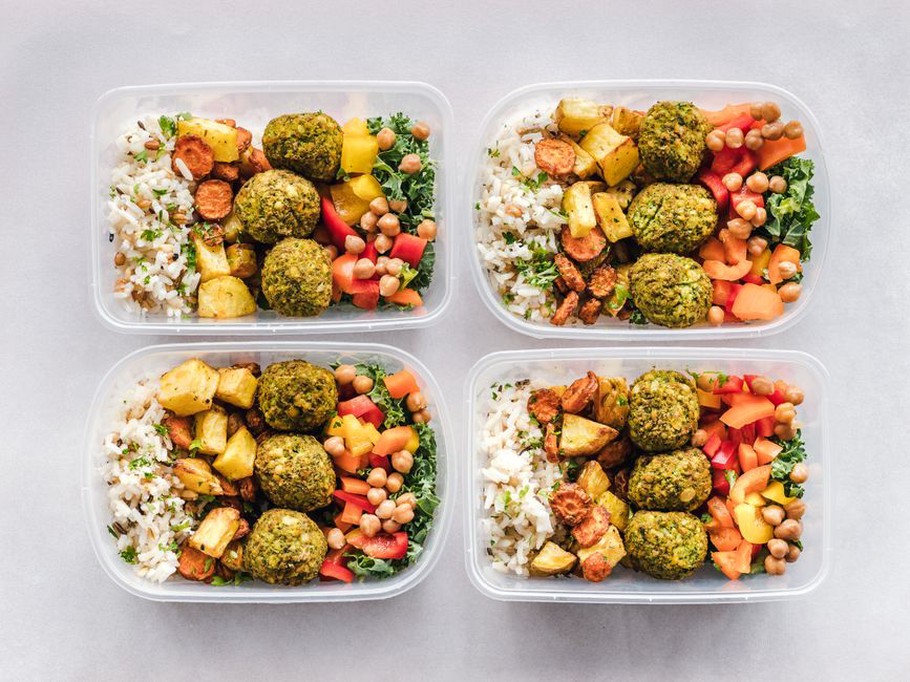
Serving size makes a difference, too. Start with a modest portion and offer seconds, especially when appetites vary. Keep serving dishes separate from used plates so uneaten food can be stored safely. If a recipe regularly makes too much, reduce the batch next time and note the smaller quantities on the recipe.
Make the routine easy to share
A “use first” shelf won’t help much if only one person knows what’s on it. Keep the shopping list where everyone who shops can reach it, on a paper pad or in a shared note. Mark items “opened” or “finish this week” when useful. Label leftovers with the food and cooking date rather than relying on someone to remember when dinner was made.
For two weeks, notice what gets thrown away; there’s no need to track every scrap. If salad greens repeatedly spoil, buy less or plan some meals around sturdier vegetables. If leftovers are forgotten, gather them on one visible shelf instead of spreading containers throughout the fridge. Check that shelf before writing the next shopping list.