
Adapting Workspaces for a New Era
The pandemic has reshaped how we perceive and utilize workspaces. As businesses adapt to new realities, the design of commercial and public work environments must evolve to meet changing needs. This transformation involves rethinking spatial arrangements, integrating technology, and prioritizing health and well-being.
Flexible Layouts for Dynamic Needs
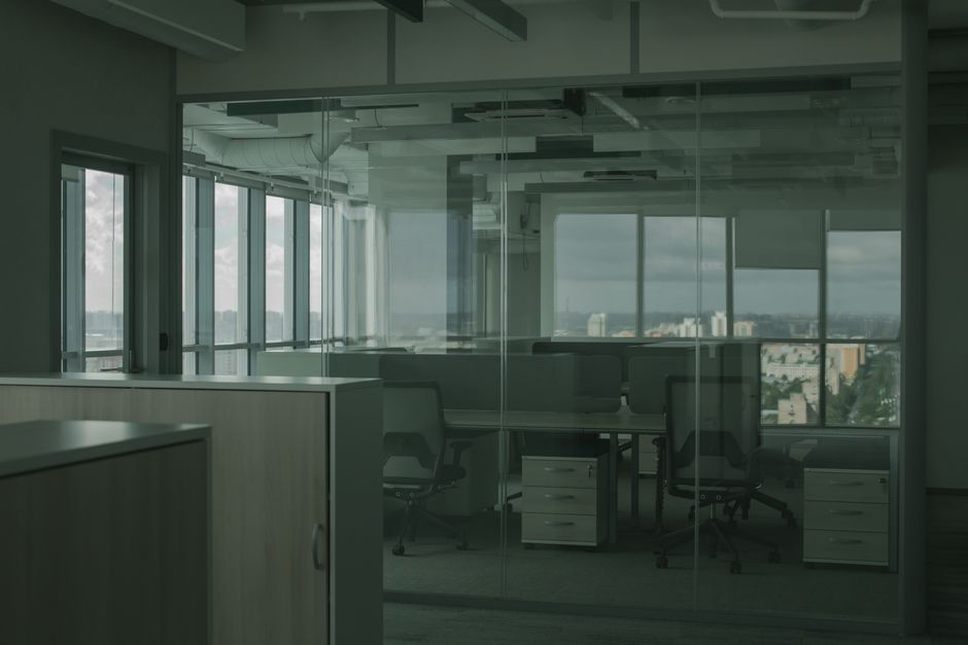
One of the most significant changes in post-pandemic workspace design is the shift toward flexibility. Open floor plans, once the hallmark of modern offices, are being reimagined to accommodate varying occupancy levels and social distancing protocols. Modular furniture and movable partitions are becoming essential tools, allowing spaces to be reconfigured easily to support different work modes, from collaborative areas to private workstations.
Health and Safety Considerations
Ensuring the health and safety of employees is paramount. Enhanced ventilation systems, touchless technologies, and materials with antimicrobial properties are now critical components in workspace design. Integrating these elements not only improves safety but also boosts employee confidence and productivity.
Integrating Technology for Better Efficiency
Technology has become indispensable in creating efficient and safe work environments. Advanced HVAC systems monitor air quality, while smart lighting solutions adjust based on occupancy and natural light, playing a pivotal role in modern office design. Digital collaboration tools also support remote work, enabling seamless interaction between in-office and remote team members.
Emphasizing Employee Well-being
Post-pandemic workspaces prioritize employee well-being more than ever. Incorporating biophilic design elements, such as natural light, indoor plants, and views of nature, can significantly enhance mental health and productivity. Spaces dedicated to relaxation and mindfulness activities are also becoming common, reflecting a holistic approach to employee wellness.
Hybrid Work Models
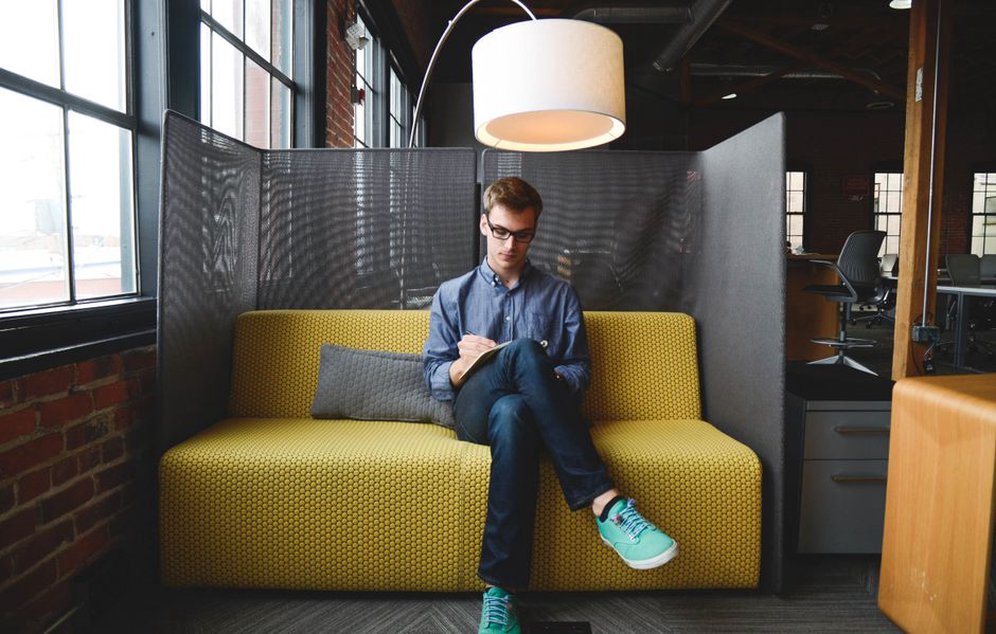
As hybrid work models become the norm, offices must adapt to support both in-person and remote work. This transition involves creating spaces that are conducive to both individual focus and group collaboration. Hot-desking and reservation systems for workstations are examples of solutions that accommodate flexible schedules and varying office attendance.
Designing for Future Resilience
Workspaces need to be resilient to future disruptions. Designing spaces that can quickly adapt to unforeseen changes ensures business continuity. Multifunctional areas that serve various purposes, such as meetings, events, or quiet work, contribute to this flexibility.
Cost Management and Sustainability
While redesigning workspaces, managing costs remains a critical concern. Utilizing sustainable materials and energy-efficient systems not only reduces operational costs but also aligns with broader environmental goals. Sustainable design practices ensure that changes made today will be economically viable in the long term.
For those interested in further exploring the intersection of architecture and sustainability, the article Urban Density: Balancing Growth and Livability in Modern Cities provides valuable insights into sustainable urban planning.
Conclusion: A New Dawn for Workspaces
The redesign of workspaces post-pandemic is an ongoing effort, requiring a balance between flexibility, safety, and sustainability. By integrating innovative design elements and technology, businesses can create environments that not only meet the challenges of today but also anticipate the needs of tomorrow.