
A dinner for six can feel crowded before anyone sits down if the chairs block the route to the kitchen. When planning the room, pull out every chair as though someone were using it. Can guests reach their seats and the bathroom without asking others to stand? That check can matter more than an elaborate table setting.
Plan around the people and the space
Start with the number of people who can eat comfortably, not the number who can technically fit around the table. Each place needs room for a plate, glass and cutlery, with enough elbow room once the serving dishes arrive. If the table is small, put water, bread and spare dishes on a sideboard or cleared counter. Move bags, extra stools and trailing cords out of walkways.
Give guests a clear start time, and ask directly about food allergies, dietary restrictions and accessibility needs. Does anyone need step-free access or a particular seat? If the dining area is reached by stairs or the bathroom is difficult to access, say so before guests accept. For a small group, these details shape the plan more than a decorative theme.
Allow a realistic window for the meal and conversation. You might leave 20 to 30 minutes for arrivals, then serve dinner and bring out dessert when the table is ready. Guests do not need an itinerary; you just need to know when the main dish should be hot.
Build a menu you can serve without disappearing
Ask whether you can finish the main course while still talking to your guests. A dish that needs constant stirring, individual plating or last-minute frying may be delicious, but it can keep you in the kitchen. A casserole, tray-baked dish or large salad with a prepared protein is easier to manage. One main, two simple sides and a dessert made ahead offer variety without several deadlines landing at once.
Before choosing recipes, check serving temperatures, oven space and timing. If the main needs the oven at the same time as dessert, change one of them. Count the burners, usable oven shelves and serving bowls you actually have. Save an unfamiliar recipe for a night when guests are not its first test.
Make dietary needs part of the menu
Plan a complete meal for a guest who cannot eat an ingredient rather than assuming side dishes will be enough. Explain what is in sauces and dressings; nuts, dairy and gluten are easy to overlook. If a guest reports an allergy, ask what precautions they need. Equipment, utensils and shared serving bowls can transfer allergens, so do not promise an allergen-free meal unless your kitchen can reliably provide one.
Choose how you will serve the food. Passing dishes suits a small group if the table has room; a counter buffet may work better if it is narrow. Set dishes on stable surfaces, keep hot pans away from the edge and give each dish its own serving utensil.
Prepare the room for conversation
You probably do not need to rearrange the whole home. Clear a place for coats and bags, make the bathroom easy to find and leave somewhere for guests to set a drink when they arrive. Check the dining-room light while seated: people should be able to see their food and one another without a harsh bulb in their eyes. If you use candles, keep them away from sleeves, children and flammable items.
Keep background music low enough for easy conversation. If the oven and a full table tend to warm the room, open a window beforehand or adjust the heating. Put a jug of water within reach to save trips to the kitchen.
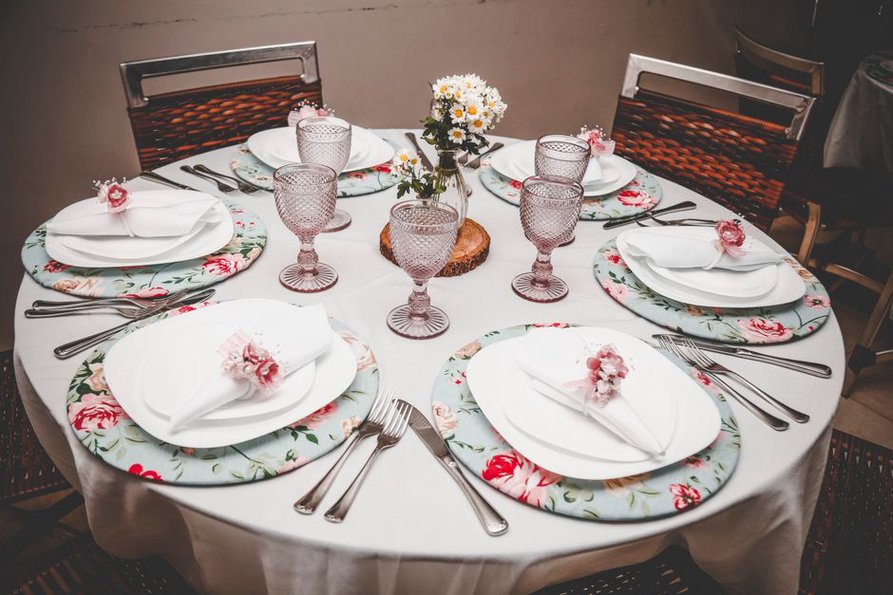
Seat people where they can join the conversation comfortably. Place cards are unnecessary unless they solve a practical problem, such as keeping an accessible seat free. Decorations should not block sightlines or take up space needed for food.
Use a short preparation schedule
Work backward from the meal time to spot tasks that clash. Write down the steps that must happen at a particular time; fit the rest around them.
- A few days before: Confirm the guest count and dietary needs, choose the menu and check that you have enough chairs, plates, glasses and serving utensils.
- The day before: Shop, make dessert or dressing if suitable, clear the dining area and set out the serving dishes.
- Earlier on the day: Prepare ingredients, chill drinks, clean the bathroom and make room in the refrigerator for food that must stay cold.
- Just before guests arrive: Set the table, put out water, check the room temperature and finish any cooking step that would be hard to pause.
Leave some time for dishes that run late. If food is ready early, do not leave perishables on the counter for an extended period. Refrigerate cold dishes until needed, follow the recipe's guidance for holding hot food and serve foods that need careful temperature control promptly.
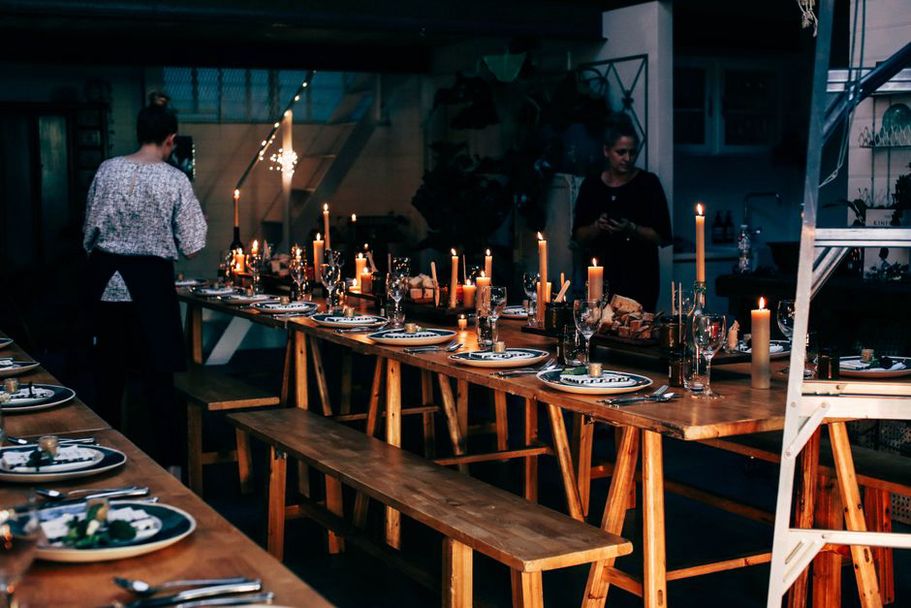
Keep the evening flexible
Offer a drink when guests arrive, including a nonalcoholic choice that requires no explanation. Tell them roughly when dinner will be served so they know whether to have a snack.
At the table, place shared dishes within reach or offer to pass them. There is no need to interrupt a conversation for a rigid course change. If someone finishes early, wait until others are done before clearing their plate unless space is tight. Let guests decline seconds without pressing them.
You can accept an offer of help without handing over the kitchen. Ask someone to refill water, bring bread to the table or carry empty glasses to the counter. Keep sharp knives, hot pans and allergy-sensitive food with the person who knows the meal and the kitchen.
If dinner runs late, olives or sliced vegetables can bridge a short delay without filling everyone up. If a side dish is still cooking, serve the main without it if the meal works on its own. Hot food is usually worth more than perfect timing.
Handle leftovers and the end of the night
Clear perishable food in stages instead of leaving it out through a long conversation. Divide large quantities into shallow containers so they cool more quickly, then refrigerate them promptly. Use a separate container or clean utensils for food a guest may take home, and do not pack anything that has spent too long at room temperature.
The pans can wait while guests are at the table. Move used dishes to the kitchen, soak what needs soaking and return to the conversation. Before guests leave, check the coat area and offer any leftovers they have said they want. Label each container with the dish name and date so it is easy to identify the next day.