
If your free time usually comes in 20-minute gaps, a hobby that needs two uninterrupted hours will be hard to keep up. Before buying equipment or booking a class, count the time around the activity too: travel, setup and cleanup. A 30-minute session can take most of an evening if getting there takes a while.
Start with your real schedule
For one ordinary week, note when you have discretionary time and how much energy you have left at those points. Include work, care responsibilities and sleep. An hour that looks free on a calendar may not be an hour you can reliably give to something demanding.
It helps to sort that time into three kinds:
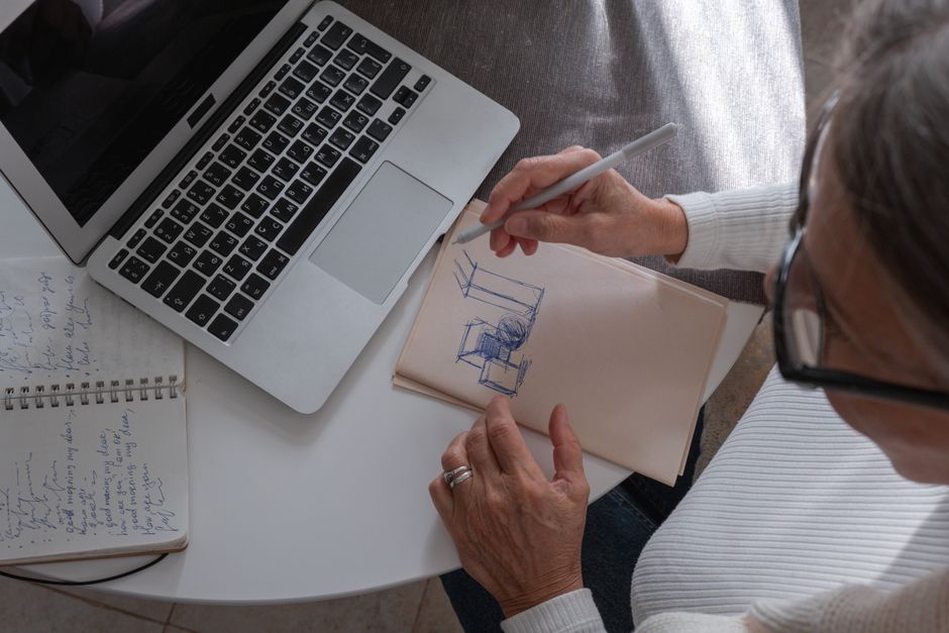
- Short gaps: Roughly 10 to 20 minutes for activities with little setup, such as sketching or practising a few chords.
- Regular sessions: A predictable half-hour to hour that could accommodate a class, craft project or recreational exercise.
- Occasional blocks: Longer stretches for a hike, workshop or group activity, though they may not be available every week.
Pick something that fits your most reliable window. A free Saturday can be a bonus rather than the only chance to take part. If your schedule changes each week, consider whether you can pause the activity without losing a booking or leaving a group waiting for you.
Decide what you want the time to do
Finding an activity interesting is a start, but think about what you want from the time you spend on it. After a social workday, you may want quiet concentration. If you work alone, conversation might matter more. You might want movement after hours of sitting, or the satisfaction of making something you can improve over time.
That distinction can change which version of a hobby suits you. A local drawing class offers scheduled company; sketching at home does not. Gardening and nature journaling both put you in touch with plants, but only one comes with ongoing care tasks. You do not need to choose the most productive option. Enjoying the break is reason enough.
Compare the whole commitment, not just the session
When time is tight, the effort around a hobby matters. For each option, estimate how long it takes from deciding to start until everything is put away. Count changing clothes, travel, finding materials, cleaning tools and arranging childcare where relevant. Consider cost and space as well; expensive equipment will not necessarily make the activity more enjoyable.
Use a simple fit check
- Starting friction: Can you begin in five minutes, or does every session need preparation?
- Stopping point: Can you finish or pause when your available time runs out?
- Minimum useful session: Does 15 minutes feel worthwhile, or do you need a longer stretch?
- Ongoing obligations: Are there fees, deadlines, care tasks or people counting on your attendance?
- Storage and noise: Can you comfortably do it where you live, at the times you are free?
A beginner pottery class, for example, provides instruction and dedicated space, but it also means a fixed timetable and travel. Modelling with reusable clay at home is more flexible, though it is a different experience. Which suits you depends on the constraints you are working with.
Run a small test before committing
Choose two or three possibilities and try each without spending much. Borrow materials if you can, attend a single introductory session or use supplies you already have. Give an activity a little time—perhaps three short sessions over two weeks—before deciding. Your first attempt may be spent figuring out the tools rather than settling into it.
After each session, jot down how long it took to get started, whether you wanted to continue once you began and whether another session sounds appealing. Difficulty and reluctance are not the same thing: learning can feel awkward while still holding your interest. If you keep avoiding the setup, the activity may not suit your circumstances right now.
A trial can uncover costs in time and space that you had not considered. A craft that requires clearing the dining table every time might work better in a smaller format. And if the instructor or group is what you enjoy most, practising alone may not give you the same experience. Try the version you could actually keep doing.
Give the hobby a place without making it another obligation
A repeatable slot makes it easier to begin. “Twenty minutes after dinner on Tuesdays” is more useful than “whenever I have time.” Keep the materials together so you are not searching for them each time. If your schedule varies, give yourself a short version and a longer one: practise one section of a song in 15 minutes, or play for an hour when you can.
Be careful about turning an experiment into a duty too soon. A course, team or shared project can help you show up, but missed sessions may add stress. If that is likely, start with a flexible option and reconsider the commitment once you know you enjoy it. Buying a full set of tools early also makes changing your mind more costly.
It is fine to stop, switch or put a hobby on hold when circumstances change. Be specific about why. “I dislike this” calls for a different response than “the class ends too late for my current schedule.” In the second case, another format might solve the problem.
This week, choose one activity that fits the free-time window you can count on most. Put the basic materials somewhere accessible, plan a session short enough to finish on a busy day and note the actual start-to-finish time. That will tell you more about its fit than the advertised session length.