
A dresser may fit the bedroom wall and still fail to clear the bedroom door. Before arranging pickup, measure its full width, depth, and height, then check the route from the vehicle to its final position. Door openings, stair turns, elevator interiors, and low ceilings can rule out a secondhand find before you spend anything on it.
Used furniture also calls for a closer inspection than a new piece: the condition of the particular item matters as much as its style or stated dimensions. The aim is to separate wear you can live with from defects that affect safety, stability, cleaning, or repair costs.
1. Define the job the piece must do
Start with the room and how you will use the piece, rather than the listing. An occasional side table can tolerate a delicate finish; a dining table used every day needs a stable base and a surface you can maintain. For seating, consider how many people it must accommodate and whether the seat height and depth suit them. For storage, estimate what needs to fit inside instead of judging capacity by the exterior.
Write down the largest footprint the room can take, along with radiator clearance, outlets, floor vents, door swings, and walking space. Drawers need space to open; chairs need space to pull back. In a shared corridor or commercial setting, check the applicable clearance and fire-safety requirements before buying. A piece suitable for a home may not be suitable for a public space.
Keep requirements separate from preferences. Your short list might include a maximum width, a wipeable surface, and a piece that does not need wall anchoring at the intended location. Color and hardware can remain flexible. That makes it easier to turn down a good-looking item that cannot do the job.
2. Measure both the item and the route
Ask for actual measurements, not labels such as “small,” “standard,” or “apartment size.” For a table, get the dimensions with leaves attached and removed. For a sofa, include its arms, back, and feet. For shelving, note the overall height and depth as well as the space between shelves. Older furniture may have unusual proportions, and sellers may round their estimates.
Find the tightest point on the delivery route. Measure the clear opening with each door open, rather than relying on its nominal size. Check hallway widths, staircase landings, handrails, sloped ceilings, and elevator doors. A tall cabinet may have to tilt around a corner, which takes extra room and can be unsafe if it holds loose glass. If legs, doors, or shelves can come off, check how they attach and whether the fittings are complete.
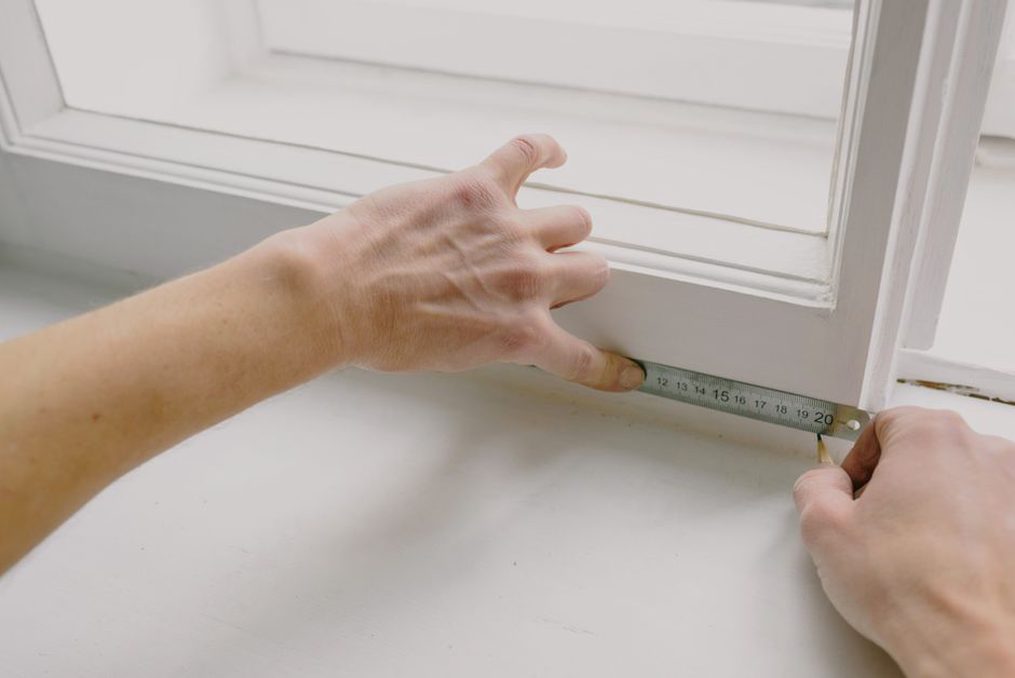
Measure the destination, too. Leave room to use the furniture and reach nearby windows, switches, and access panels. Check for projecting baseboards if it will sit against a wall. A quick sketch of the route, with every measurement in the same unit, is easier to rely on at pickup than memory.
3. Screen the listing before traveling
Look for photos of the whole item from several angles, plus close-ups of wear or repairs. Ask to see the back, underside, drawer interiors, and any damage missing from the main photo. Daylight can reveal differences in the finish, though photos cannot confirm structural condition. If a seller calls a cabinet “solid wood,” ask which parts are solid; the frame may be solid while the panels are veneered and the back is manufactured board.
Ask briefly about its history. Has it been stored somewhere damp, exposed to smoke, repaired, painted, or kept in a home with pets? None of these automatically rules it out, but they tell you what to inspect and what cleaning or restoration might involve. For upholstery, ask about stains, odors, and known pest problems before making the trip.
Confirm what the sale includes. Chairs shown beside a table may be sold separately, and a cabinet may have missing adjustable shelves. Agree on the price, payment method, pickup location, collection deadline, and whether help is available for lifting. Be cautious about sending a deposit for an item you have not inspected; first understand the risk and the platform’s terms.
4. Inspect materials, joints, and stability in person
Allow time to examine the piece in good light. Step back first: does it lean, sag, or look twisted? Then check the parts that carry weight. A scratched finish and a split rail are very different findings.
Wood furniture
Open every drawer and door. Drawers should move without falling off their guides or needing excessive force; doors should close without serious scraping. Look for gaps at joints, fresh glue, mismatched fasteners, or movement under gentle pressure. Rock a table lightly by its top, then work out whether any movement comes from the floor, a loose leg connection, or a damaged frame. Do not stand or sit on a piece unless the seller says it is safe to test that way.
Inspect veneer edges. A small chip may be cosmetic, while widespread lifting or bubbling can point to moisture damage and may be hard to repair neatly. Swollen manufactured board, especially near the base or fasteners, often loses strength and will not return to shape when dry. On unfinished surfaces, look for dark staining and soft spots, and check for a persistent musty smell. A single mark does not prove active damage; consider it alongside the condition of the material.
Metal, glass, and stone
Check metal frames at welds and bolts, where cracks or looseness matter most. Surface rust on a removable steel part may be manageable; deep corrosion at a weight-bearing joint is a reason to reconsider. Inspect glass edges and corners for chips, and check that shelves or tabletops have their intended supports and that the glass is suitable for its use. A seller’s description cannot establish whether unmarked glass is tempered.
Stone tops are heavy and can crack around cutouts or unsupported spans. Look underneath where possible, and check whether the base is designed to carry the weight. A replacement base that looks sturdy is not necessarily adequate.
Upholstered furniture
With permission, sit in each seat and check for uneven support, pronounced sagging, or noises from the frame. Inspect cushions, seams, piping, and the fabric under removable cushions. Smell the piece up close: fragrance or a recent surface clean may hide an odor that returns later. Upholstery can hold allergens and is harder to inspect thoroughly than a hard surface, especially at seams and underneath.
Check for pests without assuming that one mark tells the whole story. Inspect seams, joints, screw holes, and the underside of upholstered or wooden pieces for insects, eggs, shed skins, or dark spotting. If you suspect bed bugs or another infestation, leave the item. The potential disruption and treatment costs can far exceed the saving.

5. Distinguish manageable repairs from expensive ones
Scuffs, a missing ordinary knob, or a loose screw may be simple to address. Structural instability, extensive veneer failure, persistent odor, pest evidence, and water-damaged manufactured board are another matter. Visibility is a poor guide to seriousness: a large scratch may do no harm, while a fine crack at a chair joint can affect safe use.
Before committing to refinishing or reupholstery, work out what the job entails. Stripping and repainting can mean substantial preparation, dust control, materials, and time. Reupholstery may call for new foam, webbing, or spring repairs as well as fabric and labor. If the purchase depends on specialist work, ask a repair professional for an estimate. Do not assume a do-it-yourself repair will preserve the piece’s value or strength.
Take particular care with older painted furniture. You may not know the age or history of its coatings, and disturbing them can create hazardous dust. Do not sand an unknown finish in a living space. If renovation is essential, identify a suitable testing and containment approach first, especially in a building used by children. Check manufacturer labels or markings before altering anything whose safety depends on its original assembly.
6. Check safety and suitability for the setting
Plan to anchor a tall dresser, bookcase, or cabinet where it will be used. Open drawers and uneven shelf loads increase the risk of tipping, particularly around children. Make sure the wall and fixing method suit the anchor; a fixing for masonry may not work in plasterboard. If a lease prohibits anchoring or the location makes it impractical, choose a lower or more stable piece.
Look for sharp edges, protruding fasteners, finger traps in folding mechanisms, and unsecured glass. Vintage furniture may predate current product standards or have no labels, so appearance alone does not establish compliance. Be especially careful with secondhand cribs, bassinets, high chairs, and other child-safety products. Model identification, recalls, missing parts, and current safety requirements matter more than appearance. If you cannot verify them, pass.
Requirements may be stricter outside a private home. Upholstery for a hotel, office, school, or other public setting may need documentation of fire performance, durability, and cleaning requirements. Without it, a sound chair from a private seller may still be unsuitable. Check with whoever is responsible for the building specification before committing funds.
7. Calculate the complete cost
Add more than the asking price: transport, parking, lifting help, cleaning supplies, replacement parts, professional repairs, and any fee to dispose of the piece being replaced. Price a rental vehicle or mover before negotiating. A cheap cabinet can stop being a bargain once delivery and repairs are included.
Set a maximum total cost based on the item’s condition and expected use. Compare it with alternatives of similar size and function, not an unrelated new designer piece. Rare materials, identifiable makers, and intact original details may affect market value, but claims of rarity need support from labels, construction details, or credible documentation. For everyday furniture, sound condition and usefulness often matter more than an unverified attribution.
If you make an offer, tie it to what you found: a missing shelf, worn upholstery, or difficult transport. That is clearer than an arbitrary low bid. Be ready to walk away if an inspection reveals a defect that changes the budget.
8. Plan pickup and the first day at home
Bring a tape measure, a phone flashlight, protective blankets, straps suited to the load, and enough people to lift it safely. Check the vehicle’s usable cargo space, not its exterior dimensions. Take out loose drawers and shelves before carrying, bag and label the hardware, and photograph complicated connections before disassembly. Protect corners and secure the load for transport. Never lift by furniture doors or handles.
At home, inspect the piece again in good light before placing it among other furnishings. Vacuum crevices and use cleaners suited to the material, testing first in an inconspicuous spot. Do not soak wood or upholstery; let cleaned pieces dry fully with ventilation. If you notice signs of pests after pickup, keep the item away from occupied rooms and seek appropriate advice rather than applying an unverified spray.
Install tall storage furniture before loading it. Set it on a level surface, fit the specified wall anchor, check that doors and drawers work, and put heavier contents low. Keep the bag of removed hardware until you have accounted for every shelf, handle, and fitting.