
Understanding Form and Function in Architecture
In the world of modern residential design, architects face the ongoing challenge of marrying beauty with practicality. This delicate balance is vital, as it affects not just how a home looks, but also how comfortable and efficient it is to live in. 'Form' refers to the style and design elements that shape the visual identity of a building, while 'function' focuses on how the building serves its occupants, addressing usability, safety, and comfort.
The Importance of Functionality
Functionality is the backbone of residential design. A home must cater to the everyday needs of its residents, providing spaces that support daily activities while prioritizing safety and comfort. Key considerations include the layout, room dimensions, and accessibility. Designers need to predict how people will use the space, ensuring that every area serves its intended purpose without sacrificing convenience.
Take kitchens, for example. They are crafted with workflow in mind, ensuring that cooking, cleaning, and storage are logically organized. Bedrooms are created to be sanctuaries of rest, incorporating storage solutions and soundproofing where necessary. These functional aspects are crucial in developing a home that truly supports its inhabitants.
Form: Aesthetic and Emotional Appeal
While functionality is crucial, the form brings an emotional dimension to a space. Architectural style, materials, and color palettes all contribute to the mood and character of a home. Aesthetic choices can inspire feelings of warmth, openness, or sophistication, affecting how residents and visitors experience the space.
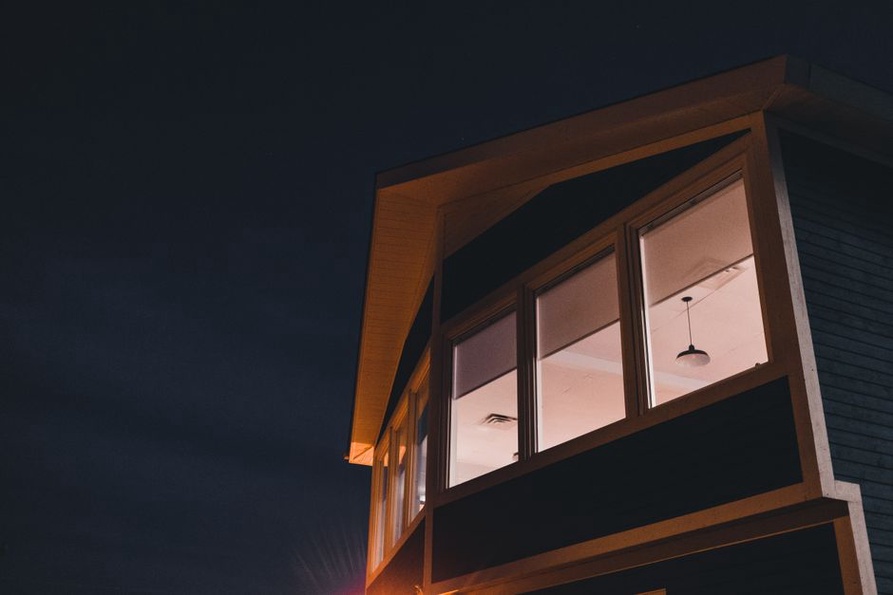
Design elements like large windows can flood a room with natural light, making it feel more expansive and welcoming. Materials such as wood or stone can introduce texture and warmth, while sleek modern finishes offer a contemporary edge.
Strategies for Balancing Form and Function
Finding the right balance between form and function calls for a thoughtful approach. Architects and designers often use several strategies to integrate these elements harmoniously.
- Prioritize User Needs: Understanding the lifestyle and preferences of the occupants is critical. This insight guides the design process, ensuring that functional requirements are met without sacrificing aesthetic appeal.
- Innovative Materials: The use of materials that offer both durability and visual interest can enhance both form and function. For instance, high-quality glass can provide insulation while offering unobstructed views.
- Flexible Spaces: Designing adaptable spaces that can serve multiple purposes is a practical way to maintain functionality while allowing for aesthetic versatility.
- Technology Integration: Smart home technologies can enhance functionality without disrupting form. Automated lighting, climate control, and security systems can be seamlessly integrated into the design.
Case Study: A Modern Residential Project
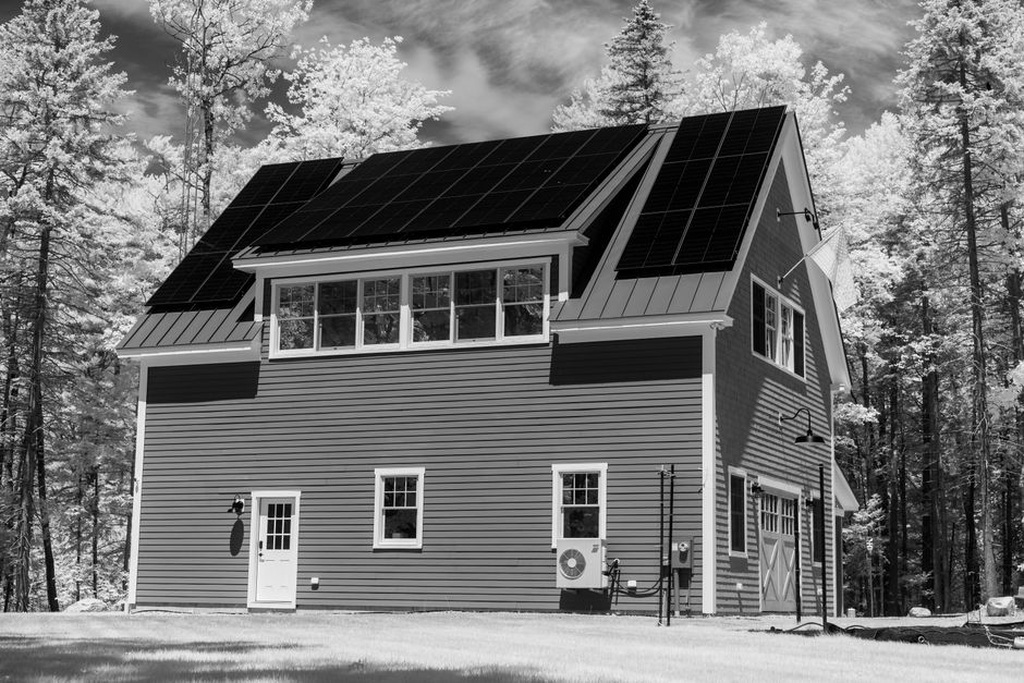
Consider a hypothetical project aimed at creating a family home with a focus on sustainability. The design includes passive solar heating, maximizing natural light to reduce energy use. The home features a modern aesthetic, with clean lines that complement its functional aspects.
The open-plan layout promotes a seamless flow between living areas, offering flexible spaces that can adapt to various needs. Bedrooms are strategically positioned to benefit from natural light, and careful attention is given to soundproofing to ensure privacy.
Challenges in Balancing Form and Function
Striking the perfect balance between form and function is not without its challenges. Budget constraints, site limitations, and regulatory requirements can all influence the design process. Architects often need to come up with creative solutions to preserve the integrity of both form and function.
Additionally, personal tastes and cultural influences can shape design choices. What one client finds appealing might not resonate with another, making customization an essential part of residential design.
Conclusion: The Art of Harmonious Design
Balancing form and function in modern residential design is an art that demands a solid grasp of architectural principles and a keen understanding of the occupants' needs. Successful designs are those that not only fulfill functional requirements but also enhance the living experience with thoughtfully designed, visually appealing spaces. As architects continue to push boundaries, the interplay between form and function will evolve, unlocking new possibilities for creating homes that are both beautiful and practical.