
Patient-Centered Design
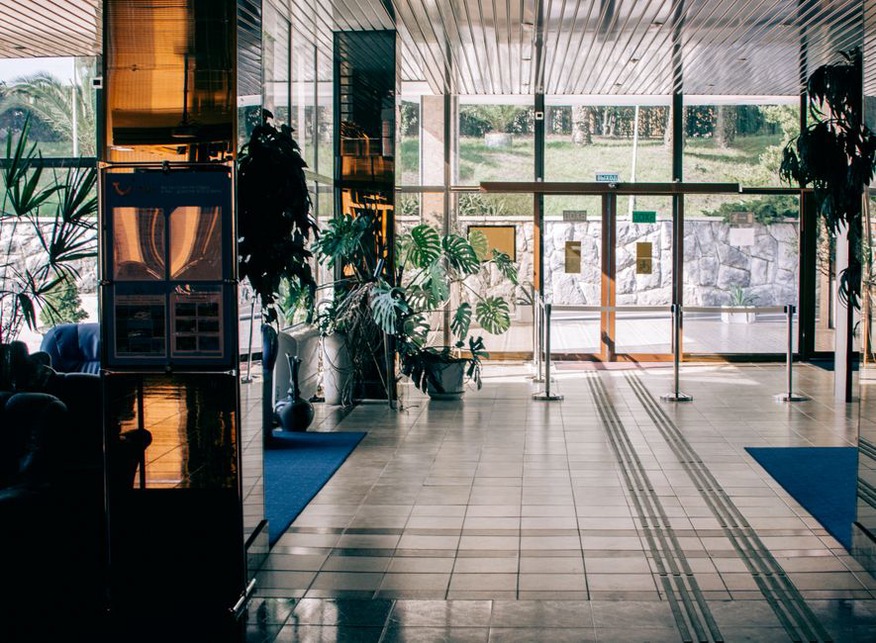
Designing healthcare facilities with patients' needs at the forefront is becoming increasingly important. This approach, called patient-centered design, aims to create spaces that foster healing and minimize stress. Incorporating elements like natural light, views of nature, and soothing color palettes not only benefits patients but also enhances the work environment for healthcare professionals.
Flexible and Adaptive Spaces
The need for adaptable healthcare spaces is on the rise, driven by the necessity to support a variety of medical procedures and technologies. Modern designs often feature spaces that can be easily reconfigured to address evolving demands. This adaptability is vital for facilities needing to respond swiftly to medical advancements or sudden increases in patient numbers, such as during health crises.
Modular Construction
Modular construction is becoming a preferred method for achieving flexibility in healthcare design. By employing prefabricated modules, facilities can be built more swiftly and with minimal disruption to ongoing operations. This method also facilitates future expansions or modifications, offering a cost-effective solution to accommodate growing healthcare requirements.
Integration of Technology
Incorporating advanced technology into healthcare facility design is a key trend, enhancing both patient care and operational efficiency. Smart building systems, for instance, manage energy consumption and improve indoor air quality, contributing to a healthier environment.
The integration of smart technology enables real-time monitoring of building systems, which helps in early detection of maintenance issues and reduces operational expenses.
Telemedicine and Digital Health
With the rise of telemedicine, healthcare facilities are creating dedicated areas for virtual consultations. These spaces are designed to ensure privacy and are equipped with the necessary technology to facilitate effective communication between patients and healthcare providers.
Sustainability in Healthcare Design
Sustainability is increasingly being integrated into healthcare design. This includes energy-efficient systems, sustainable materials, and designs that minimize the facility's carbon footprint. Features like green roofs, solar panels, and rainwater harvesting systems are becoming common in new healthcare facilities.
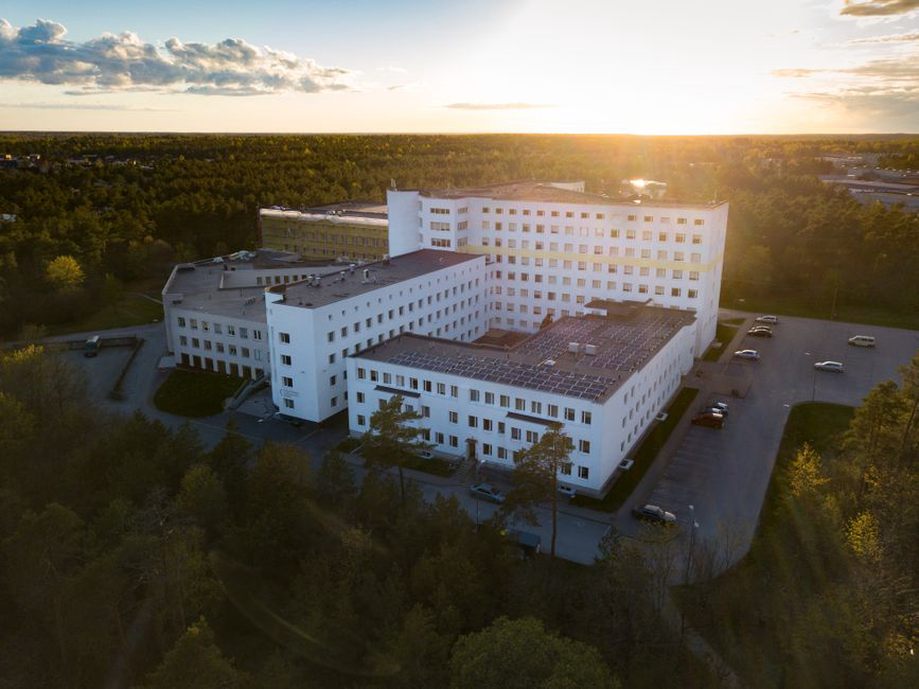
- Energy Efficiency: Using energy-efficient HVAC systems and LED lighting to cut down on energy use.
- Sustainable Materials: Employing low-VOC materials and recycled content to enhance indoor air quality.
- Water Conservation: Installing low-flow fixtures and systems for rainwater harvesting.
Evidence-Based Design
Evidence-based design (EBD) relies on credible research to inform design decisions, ensuring optimal outcomes. In healthcare, this approach is used to create environments that support patient recovery and staff productivity. EBD principles guide everything from patient room layouts to facility acoustics, aiming to create spaces that are both functional and health-promoting.
For more insights into how evidence-based approaches are reshaping different types of spaces, see our article on the evolution of commercial space design.
Focus on Community and Wellness
Modern healthcare facilities are evolving into community wellness hubs, not just treatment centers. This involves designing spaces that encourage community interaction and promote overall wellness. Facilities may include fitness centers, educational areas, and community gardens.
By incorporating these elements, healthcare facilities extend beyond medical care to enhance the well-being of the communities they serve. This holistic approach aligns with the broader trend in healthcare towards preventive care and wellness promotion.