
A pot of rice and a tray of roasted vegetables can make Wednesday dinner easier, but they are not dinner by themselves. You still need a protein, something to bring the meal together, and a plan for when to eat it. Start with two or three complete dinner ideas, then prep the parts that would take the longest on a busy night.
Plan around the evenings that need help
Check the next four or five evenings before choosing recipes. A night when you have 20 minutes calls for a different meal from one when someone has an hour to cook. Note when no one will be home, when leftovers would be useful, and when dinner needs to travel. You may only need to plan for the hardest two or three nights; preparing food for every evening can leave you with more than the household will eat.
Look for meals that share ingredients without feeling like repeats. Roasted chicken, rice, peppers, and cabbage could make a bowl with yogurt sauce one night and a wrap with salsa the next. Keep a fallback dinner, such as eggs on toast with vegetables, for plans that change. Before shopping, check the fridge, freezer, and pantry for ingredients that are already open.
Write down assembled meals rather than loose ingredients. “Chicken, rice, cabbage, yogurt sauce” tells you what Tuesday’s dinner needs; “chicken and vegetables” leaves the decisions until Tuesday. If several people will eat, count servings before you cook. Four portions for dinner and two for lunches is more useful than “make extra.”
Use a small menu template
- One protein: chicken thighs, baked tofu, beans, lentils, or cooked ground meat.
- One substantial base: rice, potatoes, pasta, bread, or tortillas.
- Two vegetables: one cooked and one that can be served raw or prepared quickly.
- One flavor change: a sauce, dressing, spice blend, or topping added at serving time.
Use the template to shop, not as a mandate to cook everything ahead. A bag of washed greens or a can of beans may save more time on a weeknight than another dish made from scratch.
Prep the bottlenecks, not every plate
Do in advance whatever tends to hold up dinner: wash produce, cook a grain, make a sauce, or portion ingredients. Fully assembled meals take less work at serving time, but they leave less room for a change of plans, and some foods lose texture in storage. Keeping some components ready to eat and others quick to cook gives you both options.
Give yourself a prep window you can manage, perhaps 60 to 90 minutes. Start with the longest unattended job, such as roasting vegetables or cooking rice. While that runs, wash and chop produce, mix a sauce, and portion a protein. Clean as you go and label containers before storing them. If that still sounds like too much, prepare one dinner and one component you can use again. There is no benefit in moving a whole week’s work into one exhausting afternoon.
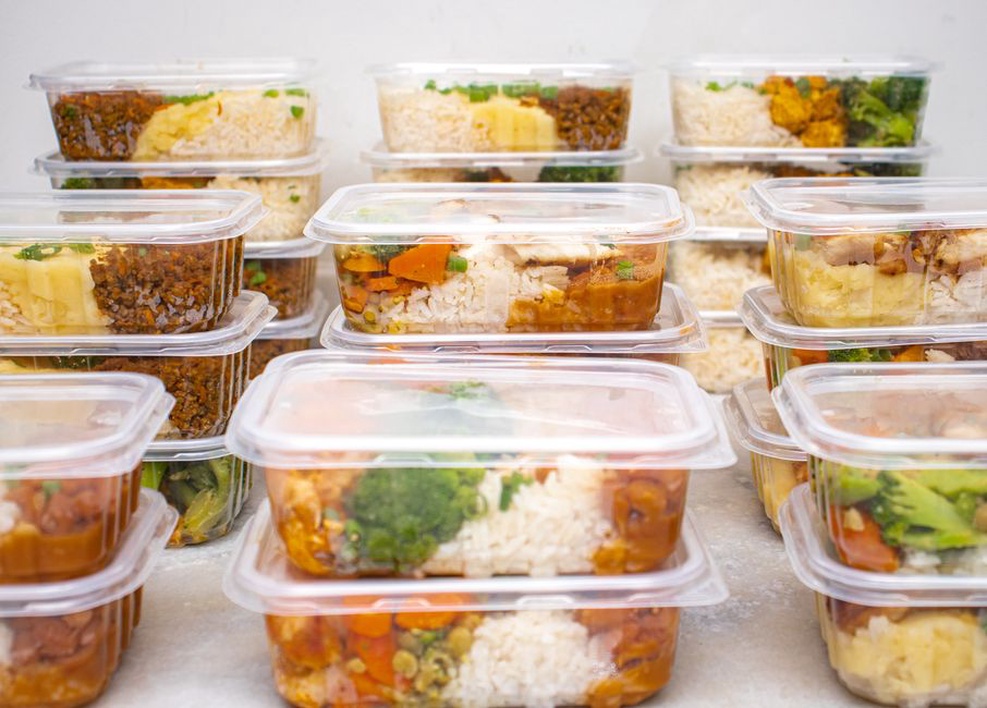
Choose carefully what to chop ahead. Carrots and cabbage generally hold up better than delicate tomatoes or avocado. Keep crisp toppings dry and away from hot food or dressing. Pasta is often better cooked when you plan to eat it, especially if boiling it takes less effort than storing and reheating it to a texture you like. Jarred sauce, frozen vegetables, and precooked ingredients are useful shortcuts when they suit the household.
Build dinners that can change direction
A few compatible components can make different dinners, provided the combinations actually sound good. Before shopping, give each prepared item a place in at least one meal. Otherwise, those containers can turn into a puzzle at 7 p.m.
| Prepared item | First dinner | Second use |
|---|---|---|
| Roasted peppers and onions | Rice bowls with beans | Quesadillas with cheese |
| Cooked lentils | Lentil and vegetable soup | Warm lentils over toast or greens |
| Yogurt-herb sauce | Chicken or tofu wraps | Dip for raw vegetables |
You do not need a new recipe every night. A bowl can become a wrap; roasted vegetables can get lemon instead of yesterday’s sauce. Store strongly flavored additions separately so the same base works twice. If someone prefers foods unmixed, serve the components side by side.
A three-night example
On prep day, cook rice, roast peppers and onions, bake tofu or chicken, and mix a yogurt-herb sauce. For the first dinner, make bowls with the rice, protein, vegetables, and sauce. On the second night, put the remaining protein and vegetables in warm tortillas with sliced cabbage for crunch. For the third, cook eggs or open a can of beans to serve with any rice and vegetables left. If the third dinner is unlikely to happen soon, freeze surplus cooked portions promptly.
There is still a little work each night: reheating, slicing cabbage, or cooking eggs. Those small jobs help preserve texture and let you adjust portions. You also avoid depending on the same cooked protein for every dinner of a long week.
Store food so the plan remains safe
Food safety sets the limit on how far ahead you can prep. Refrigerate perishable cooked food promptly, generally within two hours of cooking, or within one hour if the surrounding temperature is above 90°F (32°C). Divide large batches among shallow containers so they cool faster; do not leave a full pot on the counter overnight. Keep the refrigerator at 40°F (4°C) or below and the freezer at 0°F (-18°C) or below.
As a general rule, eat most cooked leftovers kept at 40°F (4°C) or below within three to four days, or freeze them sooner. Recommended limits differ for some foods, so check specific guidance for seafood, deli items, and other higher-risk foods. Label containers with their contents and preparation dates. If a meal is meant for later in the week, put it straight into the freezer rather than waiting until its last refrigerator day.
Reheat leftovers thoroughly to 165°F (74°C), checking the center with a food thermometer. Stir food heated in the microwave and let it stand briefly to help the heat spread. When possible, reheat only what you will serve; repeated warming and cooling adds handling and can hurt quality. Add yogurt or fresh-herb sauces after reheating if that works better for their texture and temperature control.
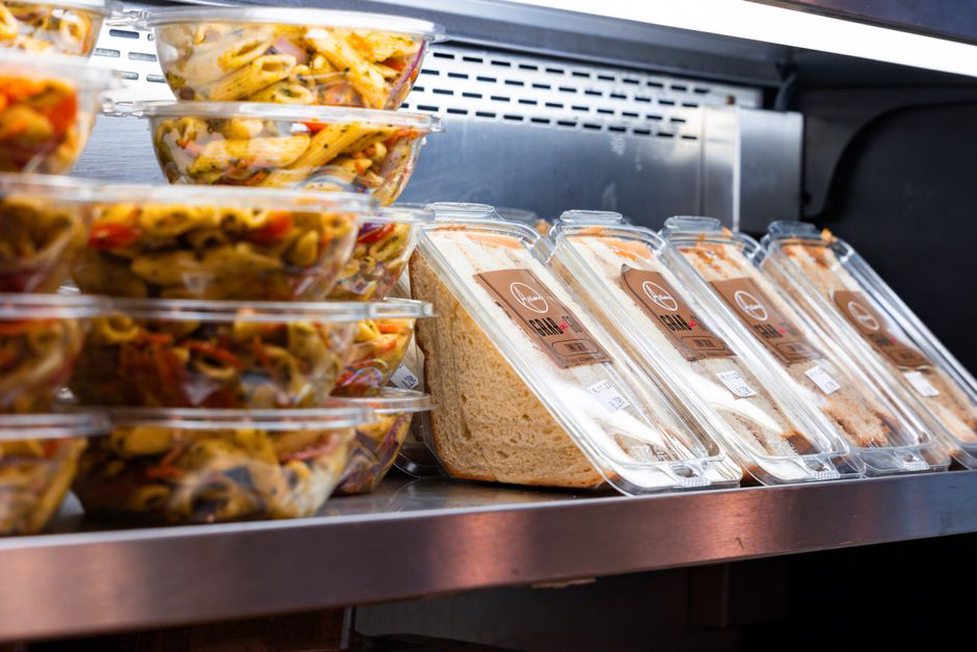
Treat rice like any other perishable: cool it promptly, refrigerate it, and reheat it thoroughly. Smell and appearance alone cannot tell you whether stored food is safe. If you are unsure how long a container has been sitting out or in the fridge, discard it.
Make the shopping list and kitchen setup do some work
Group your shopping list in a way that makes sense for your store, but tie quantities to meals. If two dinners need tortillas, count how many you need. If one recipe uses half a cabbage, give the other half a job. Check what is already at home, too, so you do not buy another jar of sauce while forgetting the main protein.
Choose containers that match the portions you eat. One huge box of rice is awkward to cool, store, and serve; several smaller ones let you take out only what you need. Clear sides or simple labels help you see what is there. Leave room for expansion in freezer containers, and use freezer-safe packaging to limit drying. Pack sauces separately when they would make a dish soggy.
Put meals you plan to eat soon where you will see them in the refrigerator. Keep raw meat contained and below ready-to-eat food so it cannot drip onto it. If people assemble dinner at different times, a note on the fridge—“Tuesday: bowls; Wednesday: wraps”—can stop someone from using Wednesday’s key ingredient for lunch.
Adjust the routine when the week changes
Meal prep is a forecast, not a contract. If Tuesday turns into a takeout night, freeze a suitable cooked portion while it is still within its safe storage window. If extra people come to dinner, add a quick salad, toast, or canned beans. When appetites vary, store the base, protein, and toppings separately so everyone can assemble a portion.
Pay attention to what is left each week. Rice that repeatedly goes uneaten may mean you cook too much; untouched chopped vegetables may mean the planned dinner takes more assembly than you expected. Adjust one quantity or task next week rather than starting over. A 15-minute midweek check is often enough to move a frozen portion into the fridge to thaw safely and identify which fresh ingredients need using.
To start small, pick next week’s busiest evening and write one dinner on a container label before shopping: “Wednesday—bean and pepper quesadillas.” Prep the peppers, check that you have tortillas and beans, and leave the cheese sealed until Wednesday. The decision is made, without filling the fridge with finished meals.