
An empty room rarely needs the same heating or cooling as one in use. Yet turning the system off for a quick errand may save little. Match settings to when people use each room and need it comfortable. Apply the same thinking to hot water, lights, and appliances: changes have the greatest effect when they affect equipment that runs often or draws substantial power.
Start with the energy bill and the building
Before changing routines, separate energy use from cost. A higher bill does not necessarily mean greater consumption; the unit price may have changed. Compare kilowatt-hours of electricity, gas, or other fuel across similar billing periods, allowing for weather, occupancy, and new equipment. If your utility provides daily or hourly readings, look for increases overnight, during cooling hours, or when nobody is home.
The building itself sets limits on what habits can achieve. A poorly insulated roof, drafty windows, or an aging heating system may dominate consumption despite careful use. Renters may have fewer options for physical changes; owners can consider maintenance or improvements. Either way, persistent drafts, uneven temperatures, dampness, or unusually high bills call for investigation, not just stricter thermostat settings.
Try recording one week of thermostat settings, shower lengths, laundry loads, and major appliance use. Then change one practice at a time where possible. A baseline makes any drop in consumption easier to interpret—and helps you spot changes that inconvenience occupants without a measurable benefit.
Control heating and cooling without sacrificing comfort
Use schedules that reflect occupancy
Space heating and cooling are often major household energy uses, though the share depends on climate and building type. A slightly lower heating setting or higher cooling setting reduces the temperature difference between indoors and outdoors and typically reduces heat transfer. What is appropriate also depends on health needs, humidity, clothing, and the building. Avoid unsafe indoor temperatures for infants, older adults, or anyone with relevant medical needs.
A programmable thermostat is most useful when its schedule reflects a predictable routine. Set it back while occupants sleep or are away for an extended period, leaving enough time for the home to return to a comfortable temperature. A quick trip to the shop may not justify a major adjustment. With some heat pumps, a large heating setback can trigger less efficient backup heat during recovery; check the controls or ask the installer before making one.
Keep supply vents and radiators clear. Close doors to control room temperatures only if the system is designed for it: closing many vents in a forced-air system can disrupt airflow and performance. If one room is consistently uncomfortable, check for blocked airflow, drafts, and sunlight exposure before changing the whole-house setting again.
Manage sunlight, windows, and fans
On sunny winter days, opening curtains on sun-facing windows can add warmth; closing them after sunset can make areas near cold glass more comfortable. In summer, shade sun-exposed windows before the heat gets inside. Curtains, blinds, exterior shades, and existing overhangs can all help, with different results.
Open windows for cooling when outdoor air is cooler and conditions are suitable, then close them before the heat builds. This is less useful during high humidity, poor air quality, or heavy pollen exposure. Keep windows closed while mechanical heating or air conditioning runs. A ceiling or portable fan helps people feel cooler by moving air across the skin, but it does not cool an empty room; turn it off when everyone leaves.
Clean or replace HVAC filters as the manufacturer directs. A clogged filter restricts airflow; a poorly fitting one may let air bypass it. Before fitting a denser filter, confirm the system can handle the added resistance. If maintenance uncovers damaged ductwork or a faulty thermostat, fix the fault rather than working around it with daily setting changes.

Use less hot water, not less hygiene
Hot-water use is easy to overlook because the energy is consumed away from the tap. Shorter showers, efficient showerheads, and prompt repair of dripping hot-water taps reduce both water use and heating demand. Before replacing a showerhead, you can check its flow: time how long it takes to fill a marked container. Any replacement still needs to provide adequate comfort and work with the water heater.
Run dishwashers and clothes washers with appropriately sized loads, following the machine instructions. Modern dishwashers generally do not need a hot-water rinse before loading; scrape off food unless the manual says otherwise. Cold-water cycles avoid heating a full tub of water for suitable clothes. Use warmer cycles when garment care, hygiene needs, or the manufacturer calls for them.
Take more care with the water-heater setting than with shower length. Stored water set too low can increase bacterial growth risk, while water delivered too hot can scald. Follow local requirements and manufacturer guidance, and consider a properly installed mixing valve where appropriate. If hot water takes a long time to reach a distant bathroom, note the wait and the water wasted. Insulation or plumbing changes may call for a qualified professional.
Make appliance cycles count
Wash and dry with the load in mind
A half-empty dryer still uses a substantial part of a cycle’s energy. Group fabrics of similar weight so they dry at roughly the same pace, clean the lint filter before use, and choose sensor-dry if it works reliably. Overdrying wastes energy and wears fabrics. Where space, weather, and building rules allow, an outdoor line or indoor rack can replace some dryer cycles. Indoor drying adds moisture, though, so ventilate appropriately and avoid it where condensation or mold is a concern.
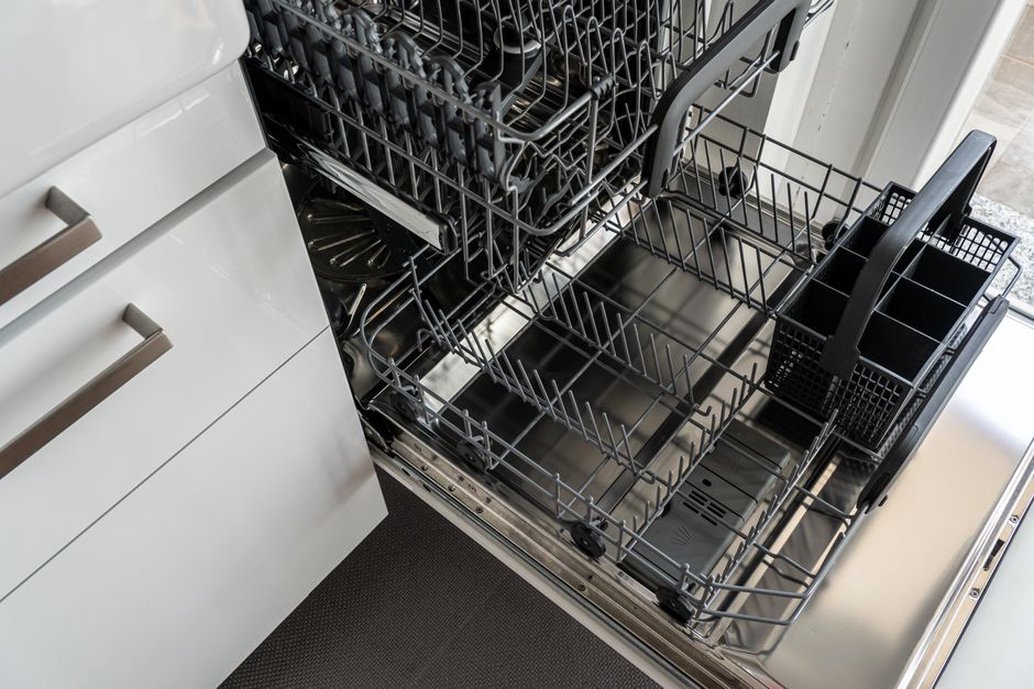
Use the washer’s load-size controls or automatic sensing instead of adding more water than needed. In a dishwasher, leave enough space for the spray arms to turn and for water to reach soiled surfaces. Rewashing a badly loaded machine can cancel out the benefit of a full load. An air-dry or no-heat-dry setting may use less electricity, although dishes can remain damp.
Pay attention to refrigeration and cooking
Because refrigerators run continuously, small problems can matter. Let hot food cool safely in shallow containers before refrigerating it, but do not leave it out for an extended period. Keep door seals clean, check that they close consistently, and leave room for air to circulate around food. Use a refrigerator thermometer rather than judging temperature by feel, and follow food-safety guidance for the appropriate range.
Match pans to burners and use lids when suitable. A microwave can use less energy than a full-size oven for a small amount of food, depending on the dish and equipment. If you use the oven, cook compatible dishes together when their temperatures and timings align. Repeatedly opening the door makes the oven replace lost heat.
Cut electricity use when rooms and devices are idle
Turn off lights in unused rooms. For a larger long-term effect, replace frequently used inefficient bulbs with suitable LEDs. Check the fitting, dimmer compatibility, brightness, and color temperature before buying. At a desk or kitchen counter, a task light may serve you better than lighting the whole room equally.
Some electronics draw power even when they appear off, particularly if they maintain a network connection or quick-start function. A plug-in energy meter can show a device’s standby and operating use. A switched power strip works for a television and accessories that need not stay connected. Do not use one to cut power to a medical device, safety system, or router needed for monitoring.
Set computers and displays to sleep automatically instead of relying on memory at the end of a session. Adjust screen brightness and the delay before sleep to suit your work, and check that scheduled backups or remote access still work as required.
Choose changes by impact, then verify them
Prioritize by frequency multiplied by energy per use. Hours of heating or cooling each day, repeated hot showers, and unnecessary dryer cycles usually deserve attention before tiny standby loads. The order may differ in a mild climate or a home without air conditioning. Equipment condition matters too: a faulty refrigerator or an electric heater used to make up for a cold room can outweigh several careful lighting habits.
- Daily: Close windows when heating or cooling runs, shade overheated rooms, and turn off lights and fans in empty spaces.
- Each load: Use appropriate washer and dishwasher loads, skip unnecessary hot-water rinsing, and stop the dryer when clothes are dry.
- Monthly: Review energy use in kilowatt-hours, investigate unexpected changes, and inspect accessible filters and refrigerator door seals.
- Seasonally: Update thermostat schedules, review shading habits, and arrange equipment service when recommended.
To see whether a change helped, compare several similar weeks rather than one day. Note unusual weather, guests, and time spent at home. If your bill shows daily electricity consumption, record the average before and after changing dryer use while keeping other routines as steady as practical. For the next laundry load, clean the lint filter and try sensor-dry: it is a specific change you can repeat and check.