
At an apartment viewing, run the kitchen tap long enough to check the water pressure and drainage—if you have permission. A spotless countertop will not tell you whether the sink backs up. Nor will a glance around the room show that the refrigerator door blocks a cabinet. Test how the space works before judging the finishes.
Bring a charged phone, a small tape measure, your furniture dimensions, and a note of your monthly housing limit. Ask before taking photos or testing fixtures. If utilities are disconnected or a room is locked, mark it for follow-up before signing; you have not been able to verify it.
Start with the building and the trip to the door
- Arrival: Time the route you would actually use. Check the distance from transit or parking to the entrance, especially if you carry groceries or use a mobility aid.
- Shared areas: Check entry lighting, stairs, handrails, the elevator, mail delivery, and bin storage. Ask who handles repairs and how to report a fault.
- Access: See whether exterior doors latch and whether you can get in without another resident’s help. Ask about keys, entry codes, and replacement charges.
- Storage and deliveries: Find out what storage comes with the tenancy and where parcels are usually left.
A single viewing will not show how the building operates at every hour. If noise or late-night access matters, consider returning to the street when you would normally get home. Follow building rules; do not try to enter without an appointment.
Check the apartment room by room
Space, light, and everyday movement
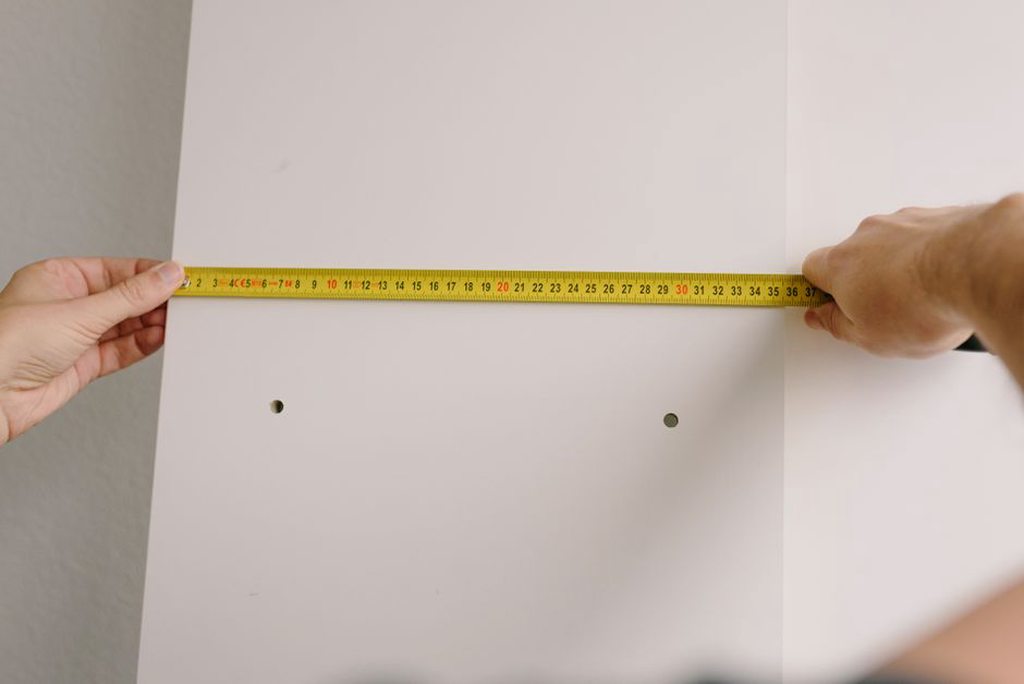
Measure the clear space for your bed, desk, or dining table. Allow for door swings and enough room to pull out chairs and open drawers. An advertised floor area can include corners that are difficult to furnish. Check ceiling height where it changes, the position and number of outlets, and whether windows open safely.
Note what faces each window and which rooms get daylight during your visit. That visit will not show light levels throughout the day, so ask which direction the main windows face if it matters to you. Check privacy from neighboring windows and whether blinds or curtain fittings are included.
Water, ventilation, and signs of moisture
With permission, run the taps, flush the toilet, and see whether water drains without pooling. Look under sinks for dampness, stains, or makeshift repairs. In the bathroom, check whether the extractor fan runs or a window opens. Persistent condensation, peeling finishes, a musty smell, or staining around a window warrants a direct question about the cause and any repairs. A freshly painted patch is not proof of a problem, but it is worth recording.
Open and close the windows and look at the seals. You cannot assess heating performance during a short visit in mild weather. Ask what type of system the apartment has, who controls it, and how residents report a failure. If you expect to need cooling, ask whether it is provided.
Kitchen, electrical points, and appliances
Confirm which appliances are included and check their condition. Measure the available space for anything you must supply. Open cabinets and inspect shelves; make sure the oven and refrigerator doors can open fully. Note where outlets are rather than assuming an extension cord will fix an awkward layout. Do not remove covers or inspect wiring yourself. Report loose sockets, exposed wires, repeated tripping, or lights that do not work for professional assessment.
Ask about sound and safety without making assumptions
Pause and listen with the windows open and shut, if possible. Note road, rail, mechanical, and hallway noise, while keeping in mind that a quiet midday visit may not reflect an evening. Ask about quiet hours and planned building work. Locate smoke alarms, the route to an exit, and any secondary exit where applicable. Ask who maintains the alarms and whether locks and window restrictors meet local requirements. Rules vary by location, and a visual check is no substitute for a formal safety assessment.
Get the costs and terms in writing
Advertised rent is only part of the monthly cost. Request a written breakdown of the deposit, any permitted application or move-in fees, utilities, internet, parking, and shared-facility charges. Ask which utilities are separately metered, how payment works, and whether the landlord has information on typical past usage. Previous bills can help you budget, but they will not predict what you will use.
Before paying or signing, confirm the start date, lease length, renewal process, notice requirements, and rules for guests, pets, and alterations. Find out how to submit maintenance requests and whom to contact in an emergency. Fees and tenant protections vary by jurisdiction; check local requirements if a charge or clause is unclear. If you are promised a replacement appliance or a wall repair, get the agreed work and timing in writing.
Leave with a record you can compare
Right after the viewing, label any permitted photos by room and list what you could not test. Keep a short record so an attractive finish does not overshadow a practical concern:
- Monthly total based on confirmed charges, with unknown costs clearly marked
- Furniture measurements and any tight doors or circulation routes
- Fixtures tested, faults observed, and repairs promised
- Questions still awaiting a written answer
If the apartment is occupied, respect the current resident’s belongings and privacy. Photograph only what the agent and resident permit. Ask for a second visit before committing if a major question remains. If your bed is 200 cm long and the only suitable wall looks close to that length, bring the tape measure back and check the usable space after allowing for door trim—not just the room dimensions in the listing.