
A bottle can fit neatly on your desk and still be a nuisance if it will not fit beneath the refill tap. Before choosing a color or comparing features, check where you will fill, carry and store it. Height and base diameter matter, as does the room needed to tilt the bottle under a tap.
Start with the daily route
Capacity determines how often you refill and how much you carry. Water weighs about 1 kg per liter, before you count the bottle. A 500 mL bottle is easier to fit in a small bag; 750 mL or 1 L may make sense when refill points are farther apart. The larger size helps only if you are willing to carry it full.
Measure the tightest space the bottle needs to fit: a bag sleeve, cup holder, locker shelf or refrigerator door. Then check the refill point. A wide bottle may be steady on a desk but difficult to angle beneath a shallow sink tap. At work, school or a shared facility, see whether it fits upright and whether you have somewhere to set it while opening the lid.
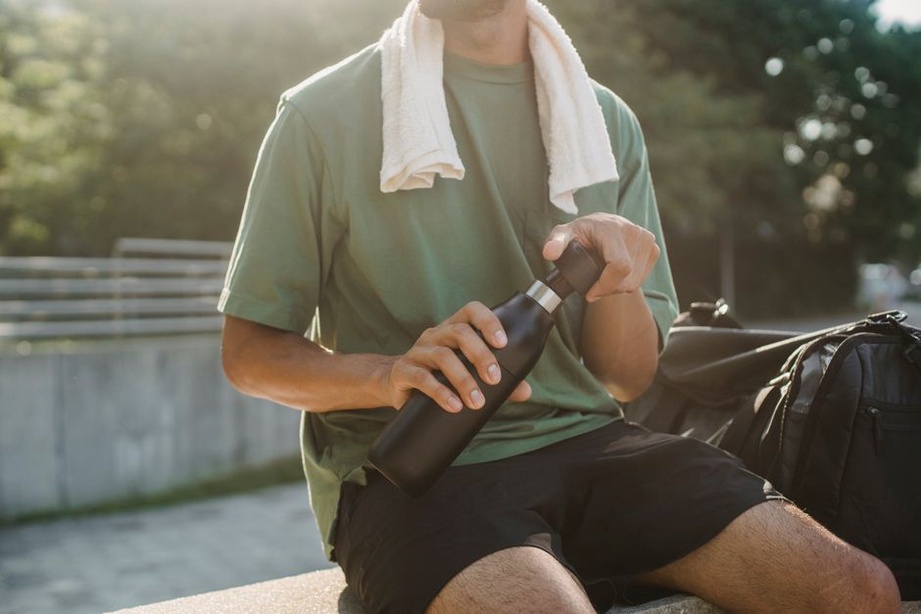
Compare materials by the job they need to do
Stainless steel
Stainless steel bottles are generally durable and do not have a glass body that can break on impact. Vacuum-insulated models have two walls with a vacuum between them to slow heat transfer. They can keep cold water cool longer, though they are usually heavier and bulkier than single-wall bottles of similar capacity. Insulation earns its place if the bottle spends hours in a hot room or outdoors. If chilled water is easy to get and weight matters more, a single-wall bottle may be enough.
Check the maker’s instructions before putting an insulated bottle in the dishwasher; heat, detergent or moisture around seals and exterior finishes can affect some models. A dent does not automatically make the bottle unsafe, but inspect damage near the mouth, seams or lid threads more closely.
Plastic and glass
Reusable plastic is often light, and a clear bottle makes the water level easy to see. Resistance to odors, stains and dishwasher heat depends on the material and design, not a general claim such as “durable plastic.” Look for clear food-contact information and follow the stated temperature limits. Replace the bottle if the drinking surface becomes deeply scratched or the lid stops closing reliably.
Glass is easy to inspect for residue and does not readily retain flavors. It is also heavier and can break. A sleeve can improve grip and cushion minor knocks, but it cannot make glass shatterproof. Glass may be a sensible choice for a desk or home; on a crowded commute, at a playground or in a hard-floored shared space, breakage may matter more.
Examine the lid before the bottle body
Everyday frustrations often start at the opening. A simple screw cap has fewer moving parts and is usually straightforward to wash, though it may take two hands to open. Flip lids and straws make quick sips easier, but hinges, valves and narrow tubes need attention when cleaning. A wide mouth helps with ice and gives a brush more room; some people find it awkward to drink from while walking.
Look at how the lid seals rather than taking “leakproof” as an unconditional promise. A removable gasket has to sit correctly, and some lids resist leaks only when the spout is fully latched. If the bottle will share a bag with papers or electronics, close it as instructed, invert it over a sink, then leave it on its side for a while. Test it again after cleaning, when a gasket may have been put back incorrectly. Seals wear, so do not assume a bottle will remain leakproof indefinitely.
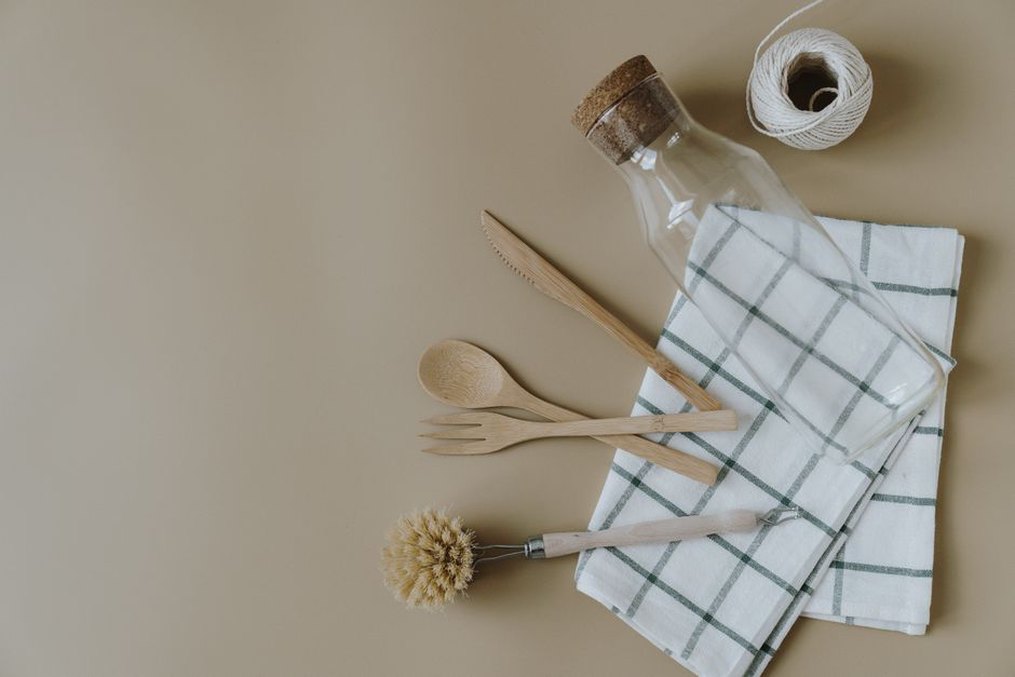
Make cleaning a comparison criterion
Choose an opening that works with the way you plan to clean the bottle. If your brush cannot reach the shoulder, check whether the manufacturer specifies another effective method. Look for seals you can remove, threads you can reach and a straw you can clean along its full length. “Dishwasher-safe” helps only if it applies to the parts you intend to wash that way; the body and lid may have different instructions.
Wash the bottle regularly with dish soap and water, paying particular attention to the mouth, cap threads and gasket channel. Let the parts dry separately before putting them back together, especially if you store the bottle closed. Even when it holds only water, hands and mouth contact can leave residue on the lid. Sweetened drinks and smoothies call for more prompt, thorough cleaning and may be a poor match for hard-to-reach valves.
Check comfort, longevity and total cost
Try the carry loop with the bottle full: it should feel secure at that weight. Smooth metal can be slippery in wet hands. Texture or a sleeve may help, though coverings can trap moisture and need cleaning too. Set the bottle on a table as well. A stable base and a lid that stays put may be more useful than a feature you rarely touch.
Check whether you can buy replacement lids, straws and gaskets for the model. Losing a seal or breaking a hinge need not end the bottle’s useful life if those parts are available. Compare what you will actually spend, including any brush or replacement components you need, rather than looking only at the shelf price. Read the warranty exclusions too: routine wear and accidental damage may be treated differently from manufacturing defects.
Environmental comparisons need context. Reusing a bottle avoids some single-use containers, but its materials, manufacture and washing also have impacts. If you already own a bottle that works well, replacing it solely to switch materials may not help. Durability and repairability matter when they extend how long the bottle is used, not simply when they appear on the packaging.
Use a short, practical comparison
- Fit: Check height and base diameter against your bag, shelf and refill point.
- Carry: Compare filled weight, grip and how comfortably you can operate the lid.
- Care: Check access to the interior and lid parts, along with the cleaning instructions.
- Reliability: Look at the seal and the availability of replacement parts.
- Temperature: Choose insulation if keeping water cool or warm matters in your routine.
Before deciding, fill the bottle to the level you would normally carry and put it in its intended bag pocket. If the full bottle pulls the pocket sideways, try the main compartment or a smaller capacity.