
Understanding Modular Construction
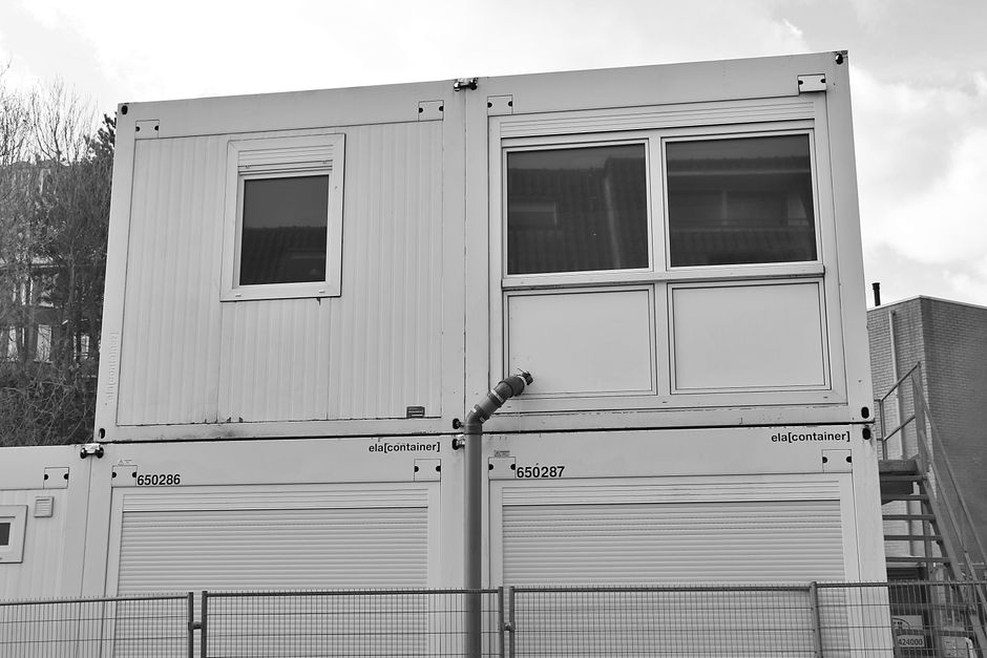
Modular construction is reshaping the building industry by allowing sections of a structure, known as modules, to be prefabricated in a factory. These modules are then transported to the construction site for assembly. This method differs from traditional construction, where the entire building is constructed on-site from the ground up.
Benefits of Modular Construction
Modular construction is celebrated for its efficiency. By operating in a controlled factory environment, projects are less susceptible to weather-related delays, leading to quicker completion times. This time-saving aspect often translates into cost reductions, making it an appealing choice for developers.
- Speed: Projects often wrap up 30-50% faster compared to traditional methods.
- Quality Control: The factory setting enhances quality control, reducing defects and ensuring consistency.
- Environmental Impact: Construction waste is minimized by up to 90%, thanks to optimized material use in the factory.
Factory-based fabrication also supports sustainable building practices. The precision involved ensures efficient material use and increases the potential for incorporating sustainable materials.
Applications Across Various Building Types
Modular construction is versatile, applicable to a wide range of building types, each reaping distinct benefits from this approach.
Residential Buildings
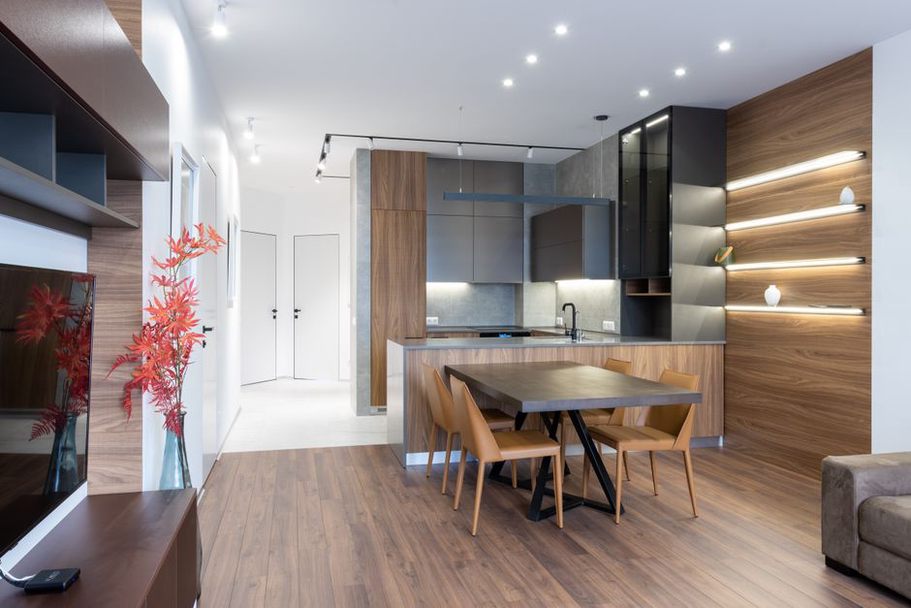
In the residential sector, modular techniques can drastically cut down on timelines and expenses. Homebuyers enjoy quicker move-in times, while developers can juggle multiple projects simultaneously. These homes offer customization options without the lengthy timelines associated with custom builds.
Commercial and Public Structures
Commercial spaces, such as offices and retail outlets, benefit from the rapid assembly of modular construction, allowing businesses to commence operations sooner. Public buildings, like schools and hospitals, also gain from this approach, providing essential services to communities without extended delays.
Healthcare Facilities
The pandemic highlighted the need for adaptable and quickly deployable healthcare facilities, making modular construction a viable option for expanding healthcare infrastructure. For more on healthcare architecture innovations, check out our article on Innovations in Healthcare Architecture: A Post-Pandemic Perspective.
Challenges and Considerations
Despite its advantages, modular construction faces challenges. Transportation logistics is a significant concern, as moving large modules from the factory to the site requires meticulous planning to prevent delays and extra costs. Additionally, the initial design phase demands precision to ensure perfect alignment upon assembly.
Another hurdle is the perception of modular buildings. Although design and quality have advanced, some still view modular construction as inferior to traditional methods. Changing this perception involves showcasing the durability, aesthetic versatility, and long-term benefits of modular structures.
The Future of Modular Construction
Looking ahead, modular construction is set to thrive, with technological advancements enhancing its effectiveness. Building Information Modeling (BIM) is particularly significant, facilitating precise planning and reducing errors during module assembly. As urban areas grow and the demand for efficient construction rises, modular techniques are poised to play a key role in shaping the built environment.
Modular construction is also expected to influence urban development significantly. As cities evolve, the need for rapid and adaptable construction solutions becomes crucial. For insights on how mixed-use developments are impacting urban growth, consider reading our article on How Mixed-Use Developments Are Shaping Modern Cities.
As more stakeholders acknowledge the potential of modular construction, its adoption across various sectors is likely to rise, contributing to more sustainable, efficient, and innovative architectural solutions.