
A calendar with twelve article titles but no reviewers is still a wish list. In an architecture practice, a post about planning permission may need a local-code check; a project story may need client approval before a drawing or photograph can appear. Put those dependencies beside the proposed publication date. The team can then see what it can deliver, rather than what it hopes to publish.
Steady growth comes from building a useful body of content while keeping older information accurate. It does not require a weekly post. For a small team, one carefully checked article a month may be more sustainable than four rushed posts followed by a long gap. Set the pace according to available expertise, review capacity and the time it takes to secure permission to use project material.
Start with decisions clients need to make
Choose subjects around client decisions, not available photographs or broad labels such as “design trends.” A residential client may need to know what happens before a design is submitted for approval. A developer may be weighing buildable area against access, daylight and servicing. A school client may need to explain how circulation and supervision affect the brief. Each question gives an article a useful, defined scope.
Keep a short inventory of questions that recur in enquiries, briefing meetings and construction-stage discussions. Check which ones the site already answers well. That helps prevent a run of near-identical service introductions while practical gaps remain, such as who is responsible for cost control or what information is needed before a feasibility study.
Give each proposed article a primary reader and a practical outcome. “Help a property owner prepare an existing-building survey brief” is easier to research and review than “write about renovation.” A topic may interest several audiences, but one primary decision keeps the explanation focused. Where local law matters, name the jurisdiction or state that requirements vary. A general article cannot replace a project-specific regulatory assessment.
Build a balanced pipeline, not a rigid theme rotation
A calendar can cover different stages of a building’s life without assigning the same type of article to each month. Consider early feasibility, design choices, permissions, procurement and cost, construction oversight, and operation. The mix should also reflect the practice’s work: an office designing schools and clinics should not publish only residential inspiration pieces.
- Foundational explanations: processes and terms that remain useful, such as what a measured survey should record.
- Decision guides: comparisons that spell out conditions and trade-offs, such as when adapting an existing building deserves study alongside rebuilding.
- Evidence-led project lessons: a documented constraint, response and outcome, published with the necessary permissions.
- Time-sensitive guidance: dated changes to rules, programs or project availability that need a scheduled review.
These categories are prompts, not quotas. A piece on sustainable products, for example, might point readers to a guide on testing sustainable building innovations before specification. Before commissioning it, identify the distinct question the new piece will answer.
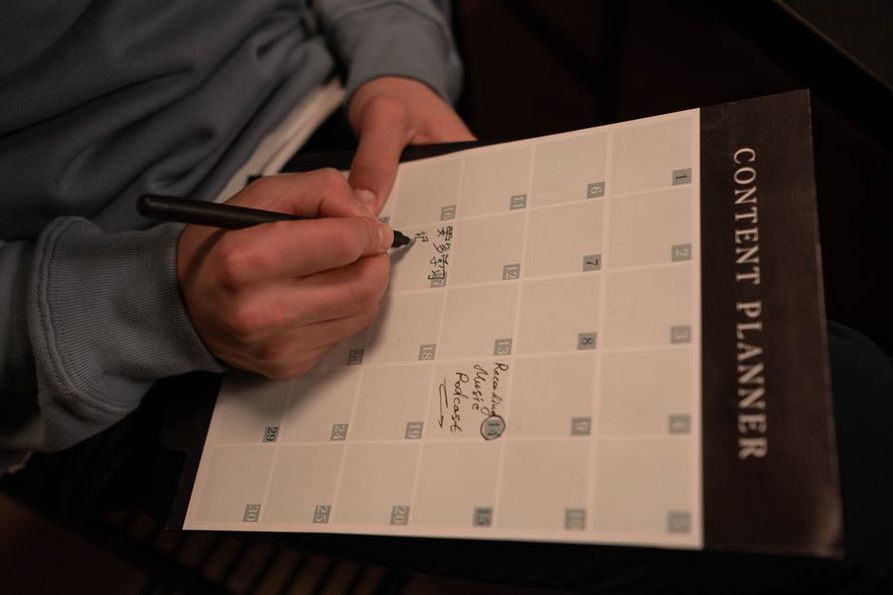
Give each entry enough information to be produced
Each calendar entry should work as a compact production brief. Name the intended reader, the question, the format, the writer, the technical reviewer and anyone who must approve images or client details. List the evidence needed: perhaps an approved drawing, a published regulation, a cost range with stated assumptions, or a quotation cleared for use. Add an accuracy-review date if the information is likely to change.
Use separate milestones instead of one “due” date: brief approval, evidence gathering, draft, technical review, client or legal approval where applicable, image clearance, publication and a later accuracy check. Delays become visible sooner. If the only person qualified to check fire-safety claims is away during review week, move the publication date before drafting begins.
For a proposed article on adapting a ground-floor commercial space, the entry might name property owners as readers and the decision as whether to commission feasibility work. It could call for survey findings and locally verified approval requirements, with the project architect reviewing the draft. The brief should also rule out any claim that a photographed solution would gain approval elsewhere.
Match the cadence to review capacity
Estimate effort from recent work, not an ideal writing speed. An interview-based project account usually takes more coordination than a plain-language explanation of a standard process. Allow time between the draft deadline and publication for corrections, diagram accessibility checks and permission confirmations. Keeping one or two approved, less time-sensitive drafts ready means a delayed case study need not be replaced with an unverified post.
Set aside capacity for updates, too. If a permit guide cites a rule that has changed, correcting it may be more useful than publishing another introductory article. Record the last technical check so this work is visible beside new assignments. For topics relying on U.S. housing program rules, verify claims with the relevant U.S. Department of Housing and Urban Development program offices rather than assuming an older post remains authoritative.
Plan useful sequences without repeating yourself
Related articles can help a reader through a longer decision process, provided each does a different job. One might explain how site constraints shape a feasibility brief; another could examine the trade-offs of building on a constrained urban plot. Where useful, the first can link to a specific discussion of how density shapes design on constrained sites. Do not divide a complete answer into several posts just to fill the calendar.
A finished building may offer material for a design explanation, but it takes more than attractive images to make a credible project account. Record what was known at the start, which constraints were verified, what changed and which outcomes can be documented. If occupancy data or client consent is unavailable, leave the entry in development and publish another approved topic first.

Review the calendar against evidence, not volume
At a monthly check-in, compare the plan with what was published. For each delayed item, record the cause: missing source material, too little review time, unclear ownership or a legitimate project change. If work repeatedly stalls at the same stage, adjust the workflow rather than setting tighter deadlines.
Check whether published pages help their intended readers complete a task. Relevant enquiries that mention an article, questions that still arrive despite an explanation, and pages people use before contacting the practice can all be informative. Traffic alone cannot tell you whether a technical answer is accurate or reaching the right audience. Keep a brief record of editorial decisions, including why a topic was postponed or an outdated claim removed.
At the next planning meeting, take three candidate topics. For each, name the reader, the decision it supports, the technical reviewer and any missing evidence. Give a publication date only to entries with a realistic path through review; leave the others in an undated backlog.