
“How long will planning permission take?” is a common question, but giving one number could mislead a property owner. The timing depends on the site, the proposal, submission requirements and the authority reviewing it. A useful answer separates the design team’s preparation time from the authority’s review time, explains what can affect each stage and identifies the documents the owner should gather first.
Architecture practices and property teams hear questions like this in consultations, project meetings, tenant handovers and building operations. Those questions can become useful articles, provided the answers help readers make decisions without pretending that an unassessed site or project has a known outcome.
Collect the question in the words people use
Keep a shared question log. Ask staff who speak with clients, occupants, contractors and approval bodies to record recurring questions soon after a conversation. Note the wording, project type and stage at which each question arose. “Do we need a lift?” means one thing during early feasibility work on a small conversion and another during a review of an occupied public building.
Enquiry emails, meeting notes, tender clarifications, facilities requests and comments on existing pages can all help. Before a question enters the publishing workflow, remove names, addresses, drawings and other identifying details. An unusual constraint on a private client’s site may support a general explanation, but it should not become an identifiable case study without permission.
Count recurring themes rather than assuming the latest question is the most common. Group similar wording around the decision behind it. “Can we build on this plot?” and “Will the council approve this?” may both point toward feasibility, but an answer still needs to distinguish physical capacity from statutory approval.
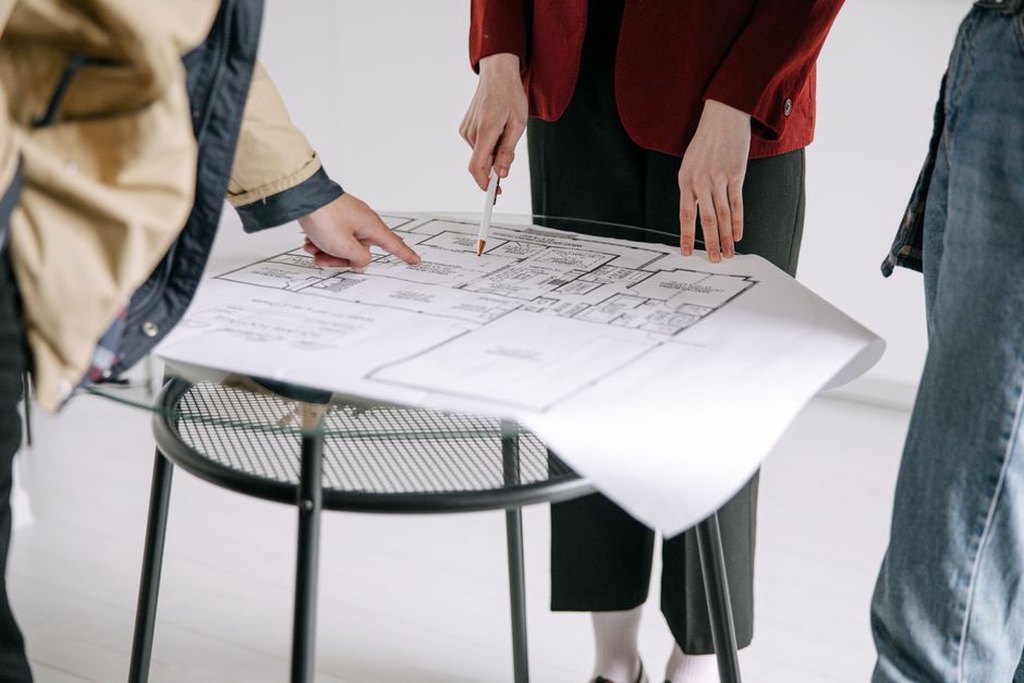
Choose questions that deserve a full answer
Not every enquiry needs an article. A one-sentence factual answer may belong beside a service description or in a project information pack. Prioritise questions that recur, affect cost or programme, expose a significant misconception, or call for a comparison of options. Even a question heard once may warrant an article if a mistaken assumption could cause a serious accessibility, safety or permitting problem.
Ask whether the answer would help someone beyond the original project. “Which entrance is open during next Tuesday’s works?” belongs in a project update. “How should a temporary entrance maintain accessible access during construction?” can support a wider explanation—as long as the article does not treat local requirements and actual site arrangements as interchangeable.
Turn the question into a decision
People often ask about a deliverable when they need help defining a decision. “How much does an architect charge?” may be a question about scope: a feasibility study, a planning submission and construction-stage services are different commissions. Explain what each scope includes, what information is needed to estimate a fee and which changes could affect it. A typical price is not a quote for every project.
This approach also keeps the article from becoming a sales pitch. Readers should come away with criteria they can use even if they never contact the practice.
Build the answer from evidence and boundaries
Before drafting, separate general guidance from claims that need project-specific checks. An article about permits can describe common stages: preparing drawings, submitting information, responding to comments and receiving a formal decision. It cannot promise approval or a fixed review period for an unidentified site. An accessibility article can explain the design issue and how compliance is checked; it cannot declare an unseen layout compliant.
Have a subject specialist check technical claims against the regulations and approval processes relevant to the intended readers. If requirements vary by jurisdiction, say so. When citing a threshold set by an authority or standard, explain where it applies and confirm that it is current. Do not add a precise figure merely to make an answer sound authoritative.
Most practical answers need four elements:
- A direct response: State what is generally possible or required, with the main qualification close to the answer.
- The deciding factors: Identify site conditions, use, scale, the existing structure or authority requirements that could change the outcome.
- The process: Explain how the issue is investigated and who makes the relevant decision.
- A next step: Name a document to find, a measurement to confirm or a question to take to a qualified professional.
For “Can we add another floor?”, a gallery of rooftop extensions is the wrong starting point. Begin with structural capacity, planning constraints, fire safety and access. Then explain why existing drawings, a measured survey and structural advice are needed before anyone can give a reliable answer.
Pick a format that matches the depth of the question
Use an FAQ entry for a short, stable answer and a standalone article when readers need to work through stages or trade-offs. A comparison table can clarify options if its categories mean something. Labels such as “best” and “worst” say little about materials or building systems without a defined context.
For a complex topic, put the direct answer near the top, then organise subheadings around the questions a reader is likely to ask next. An article about permits might cover the information required, review steps, requests for revisions and when work may begin. The companion piece on digital tools and approval controls in building permit reviews covers a narrower part of that process; a general FAQ need not repeat it.
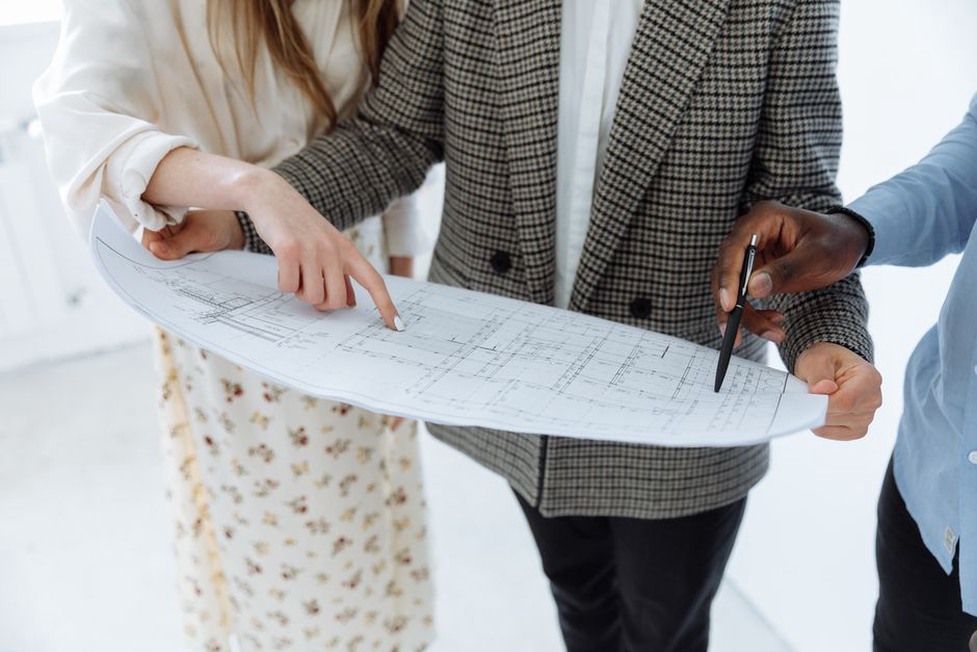
Use a diagram or photograph when it helps explain a spatial condition or stage of work. Its caption should say what readers can learn from it, without implying that the illustrated solution suits every building.
Write for the person making the next decision
Keep the original question as a heading if it accurately describes the answer, and respond within the first few sentences. Replace internal shorthand with terms clients recognise. Define technical terms when the distinction matters: a “measured survey” records existing dimensions; it is not a structural assessment.
Examples can make qualifications clearer. In an article about costs, distinguish the construction budget from professional fees, surveys, authority charges, contingencies and future operating costs. For sustainable materials, separate a product’s environmental claim from its suitability for a particular climate, specification and maintenance plan.
There is no need to invent a client story. A labelled hypothetical comparison is enough: a new school building and a refurbishment of occupied classrooms may raise different questions about access, phasing and approvals. State the assumptions so readers do not mistake the example for a completed project or a promised result.
Check the answer before and after publication
A subject specialist, not only an editor, should review technical content. Ask them to flag claims that depend on location, building use or project stage, and check that the suggested next step reflects the team’s actual process. Keep advice from a designer distinct from approval by the relevant authority.
Assign an owner and review date to time-sensitive articles. Permit procedures, regulations and service scopes change, and an undated answer can remain convincing after it becomes unreliable. Review it sooner if a rule changes or staff notice that the wording is confusing readers.
Page views alone will not show whether an answer works. Check whether enquiries arrive with the right information, whether staff still explain the same basics from scratch, and whether the article has created a new misunderstanding. If a page about extension feasibility repeatedly leads people to ask whether planning approval also confirms structural safety, add a sentence that distinguishes the planning decision from structural design review.