
“We provide architectural design services” leaves a prospective client guessing. What will the architect produce? What information must the client supply? Which decisions are still open, and where does the appointment end? For someone planning a clinic, school or apartment building, the answers affect the budget and programme.
Start with the decision behind the visit
A visitor may know they need an architect but not whether to commission a feasibility study, a full design package or support during construction. Address that choice before listing capabilities. Gather questions from enquiry emails, initial meetings, proposal reviews and project handovers, then group them by service. Permit-document questions belong on a different page from site-supervision questions, even when both come up on the same project.
Decide who each page is for. A homeowner planning an extension needs a different explanation of approvals and drawings from a public client procuring a school. If a service genuinely serves both, spell out what varies: the approval route, consultants, decision-makers or deliverables. A single “typical project” can hide differences that matter.
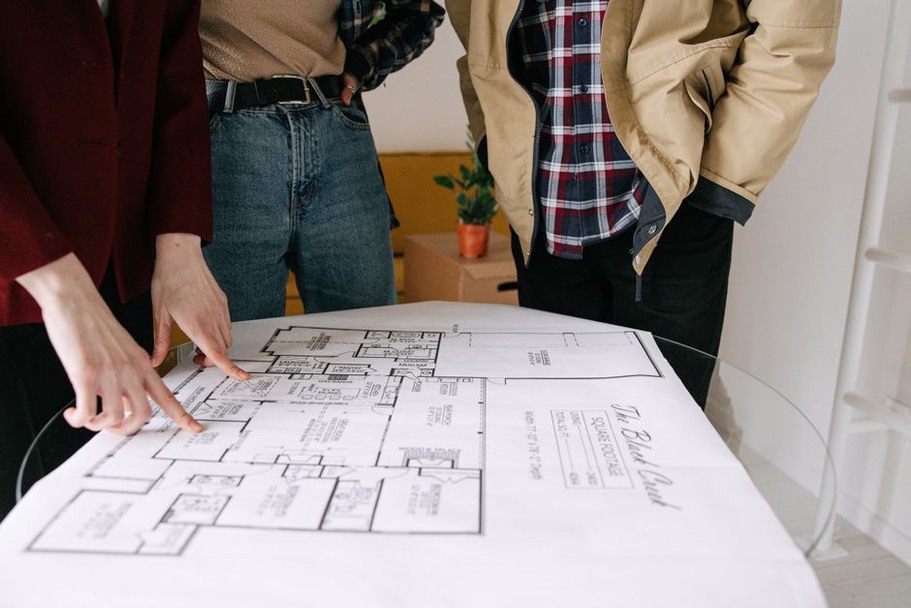
State the scope before describing the process
Open by naming the service in ordinary language and saying what it helps the client decide. For example: “A feasibility study tests whether a proposed use and approximate building area can work on a site before detailed design begins.” Then say what the study includes. A site-capacity assessment does not automatically include planning approval, a measured survey or a cost plan.
Readers need enough detail to compare the service with what their project requires:
- Inputs: site information, existing drawings, a project brief and any known budget or programme constraints.
- Work performed: the analyses, design stages or coordination tasks included in the appointment.
- Outputs: drawings, reports, schedules or submissions, with the level of detail stated where it matters.
- Boundaries: excluded surveys, specialist advice, statutory fees or construction-phase duties.
- Dependencies: client decisions, third-party information and authority responses needed to move forward.
Take care with reassuring phrases that have contractual consequences. “We manage approvals” might mean preparing an application, coordinating consultants, submitting documents or responding to review comments. Specify the tasks included. A design-stage cost estimate is also different from a contractor’s tender price; neither guarantees the final construction cost.
Put questions where readers need the answers
Explain the sequence, not just the stages
A stage list helps only if readers can see what changes along the way. Explain when the client confirms the brief, when options are tested, which decisions must be fixed before documentation and what could prompt revisions. Where authority review is required, distinguish submission from approval. Response times and requests for changes depend on the authority and the project.
For construction support, state how often site visits are planned and what they are for. Periodic observations are not continuous supervision, contractor management or certification of every part of the works. The page should make clear who remains responsible for construction methods and site safety under the proposed arrangement.
Answer price and timing questions without false certainty
If the work varies substantially, a fixed fee may not be useful. Explain what affects it instead: project size, complexity, existing-building conditions, consultant coordination and the extent of construction support. Say whether statutory charges, surveys and specialist consultants are normally charged separately from the architect’s fee, subject to the actual appointment.
Give timing ranges only when they rest on a defined scope and reliable experience. Otherwise, identify what controls the programme: the completeness of existing information, the speed of client decisions, consultant inputs and statutory review. “The concept stage begins after the brief and site information are confirmed” tells a client more than a promise to start design immediately.

Use evidence that clarifies the service
A project example should show a relevant decision, not just a finished building. On a healthcare design page, it could explain how circulation requirements shaped early layout options. On a commercial design page, it could show how access and servicing constraints affected the plan. Describe the challenge, the architect’s role and the documented outcome without suggesting another project will get the same result.
Include circumstances that change the meaning of the example. A permit obtained for one property says nothing certain about what another site can accommodate. Nor can a photograph show whether the appointment included detailed documentation or construction support. A caption or short case note can supply that context.
Make the page easy to scan and act on
Use headings that reflect the questions clients ask: “What is included?”, “What information do we need?” and “Who submits the permit application?” Answer directly beneath each heading. Define technical terms on first use. A brief explanation of a measured survey helps clients understand why existing dimensions may need checking.
Arrange the page in the order a client is likely to make decisions: purpose, suitability, scope, process, cost factors, limitations and next step. There is no need to repeat an enquiry prompt after every section. For a feasibility study, one useful request is for the site address, intended use, available drawings and known planning constraints. If sensitive documents are needed, arrange a separate exchange rather than asking for them through an unsecured general form.
Before publishing, ask someone unfamiliar with the service what they think they will receive, then compare their answer with the proposed appointment. Correct any mismatch. Recheck the page when deliverables, consultant responsibilities or approval procedures change; an accurate answer can become misleading over time.
If clients repeatedly ask whether an existing-building survey is included, put the answer beside the inputs list: “We review drawings supplied by the client; a measured survey is commissioned separately if reliable drawings are unavailable.” That resolves the question before it reaches the proposal stage.