
A bench beside a busy sidewalk can make a street easier to use—or push pedestrians into the cycle lane. Less than a meter of clearance may decide which. Seating, bins, lights, bicycle stands, shelters, bollards and signs all take up space and affect how people move. They also need maintenance. Planning them as part of the street, rather than adding them after the layout is settled, helps avoid conflicts that are costly to fix once fixtures are installed.
What furniture does to a public space
Seating influences where people stop and how long they can comfortably stay. A bench near a transit stop gives passengers somewhere to wait; one facing a play area helps caregivers keep watch. Orientation, shade, traffic exposure and access from an unobstructed route all affect whether a seat gets used. Armrests and backrests can make sitting down and standing up easier for some people. Varying seat heights and types serves more needs than repeating one model throughout a space.
Other fixtures shape behavior in quieter ways. Visible bicycle stands close to destinations make short visits more practical. Bins work best along walking routes, provided collection crews can reach them. Lighting and signs help people find their way after dark, but poles and signboards can block sightlines. Bollards can keep vehicles out of a space; their spacing and visibility also matter to people using wheelchairs or other mobility aids.
Scale, materials and repetition give furniture a role in the character of a street. Related fixtures can make a long route easier to read, while a different treatment can signal a square or civic entrance. That does not mean using identical objects everywhere: a sunny plaza and a narrow shopping street call for different approaches to seating, shade and circulation.
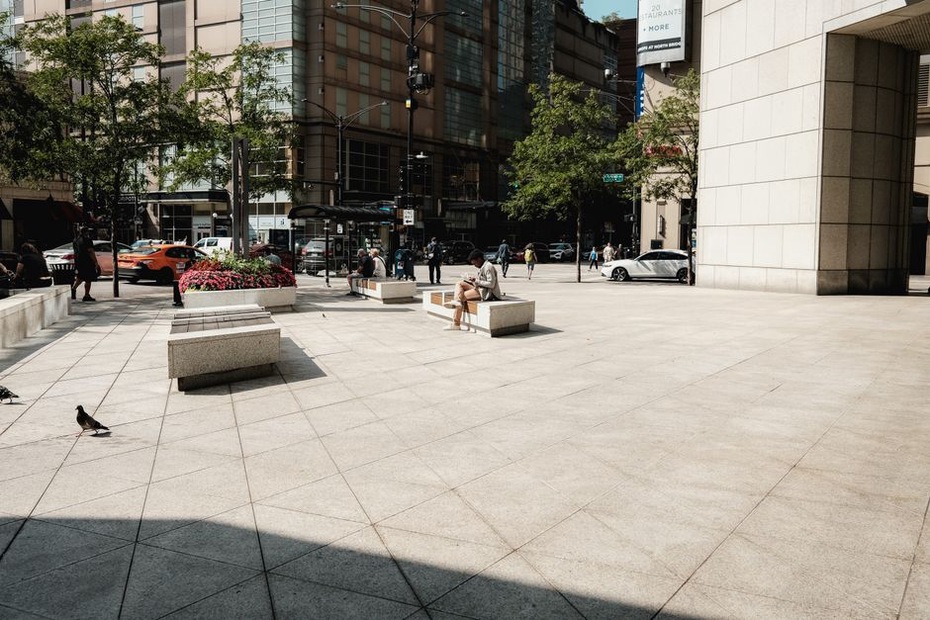
Place it around movement, not just appearance
Start with the people and vehicles already using the site. Map pedestrian desire lines, transit queues, entrances, cycle movements, deliveries, emergency access and the space needed for cleaning. Then look for places where someone can stop without interrupting those flows. A bin beside a crossing may seem convenient on a plan, yet become an obstacle when people gather for the signal.
Protect the clear route
The unobstructed walking route needs to continue past every fixture. Allow for a bin lid when it opens, a bicycle locked to a stand and a seated person with a mobility device beside them—not just the footprint shown on a plan. Required widths and turning spaces vary by jurisdiction and site type, so check the applicable accessibility and highway standards before fixing dimensions. Keep tactile guidance, curb ramps and crossing approaches free of furniture and temporary advertising.
Placement also affects safety and comfort. Seats should be clear of opening vehicle doors, and shelters need enough room for passengers to board without blocking through movement. Coordinate lighting columns and tree pits with underground services and drainage. On a crowded street, grouping signs and other fixtures where rules permit can free up walking space and reduce clutter.
Design for different lengths of stay
Seating needs vary by place. A route to a clinic may need regular spots to rest; a station forecourt needs waiting areas that stay clear during peak-hour flows. Fixed benches, individual seats and informal ledges offer different degrees of support and opportunities to sit with others. Integrate accessible seating with the rest rather than placing it at the edge. Where there are tables, some positions should let a wheelchair user pull up and sit with a group.
Materials and details decide service life
Urban furniture has to withstand rain, sunlight, de-icing salts, impacts, cleaning equipment and daily use. Material choice should reflect both the local climate and the operator's maintenance capacity. Coated metal may need finish repairs; timber may need periodic treatment or replacement slats. Concrete withstands wear but is heavy to move or alter. Even a product that looks durable can fail early if water collects in its joints or fasteners corrode.
Specifications should cover what people touch as well as what crews need to maintain:
- Edges and surfaces: avoid sharp corners, trapping points and finishes that become excessively slippery when wet.
- Fixings: choose anchors suited to the paving build-up and expected loads, with replaceable components where practical.
- Drainage: keep water from pooling around supports or undermining adjacent paving.
- Repairs: check that commonly damaged parts can be sourced without replacing the whole unit.
- Cleaning: leave room around fixtures for the equipment the operator uses.
These details can matter more to whole-life cost than the purchase price. A cheaper bin that needs frequent repainting, or cannot be emptied without blocking a cycle route, may cost more to operate. For a custom design, a prototype or sample installation can expose problems with stability, comfort or cleaning before the full order is placed.
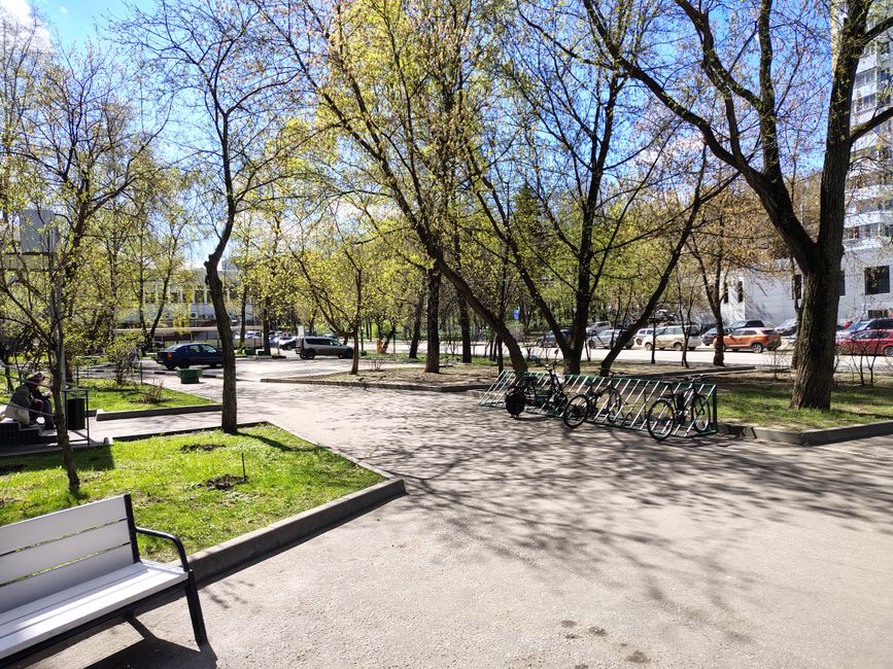
Coordinate ownership before installation
Furniture often sits near the boundary between a development site and public land. A developer may fund installation while a municipality, transit operator or property manager takes on maintenance. Agree on those responsibilities during design, along with permissions for work in the public right-of-way. A fixture that crosses a property line or blocks an inspection cover can hold up approval and make later repairs harder.
Product photographs are not enough for procurement. A coordinated plan should locate fixtures, clear routes, foundations, utilities, paving interfaces and any vehicle-swept paths. An accompanying schedule can record each item's model, finish, replacement parts, installation method and maintenance owner. On mixed-use sites, entrances and ground-floor activity change through the day. Check furniture positions against those patterns, not just a plan of the site at a quiet hour. The same approach applies when designing mixed-use buildings around their daily operations.
Once the space opens, observe how it works before repeating the layout elsewhere. A short count of where people sit, lock bicycles or leave litter can reveal whether fixtures match demand. If bikes are regularly locked to a railing beside an empty rack, check whether the rack secures a frame and whether people can see it from their destination.