
Understanding the Challenges of Small Building Design
Designing small buildings is a unique challenge that requires a delicate balance between practicality and visual appeal. With limited space, architects must think outside the box to ensure that all essential functions are accommodated without sacrificing comfort or style. A significant hurdle is creating designs that are not only suited to current needs but can also adapt to future demands. This involves a deep understanding of how space can be utilized efficiently, making every square meter count.
Strategic Use of Multi-Functional Spaces
Maximizing the utility of small buildings often involves crafting spaces that serve multiple purposes. This strategy allows architects to enhance functionality without expanding the building's footprint. For example, a living room can be transformed into a workspace, or a dining area can be repurposed as a meeting room. The secret lies in incorporating flexible furniture and design elements that facilitate these transitions.
- Convertible furniture: Choose furniture that can adapt to different uses, like sofa beds or extendable tables.
- Movable partitions: Use sliding or folding partitions to easily change the layout of a space.
These solutions not only improve the functionality of small spaces but also contribute to a sleek, minimalist look that is popular in modern design.
Optimizing Vertical Space Utilization
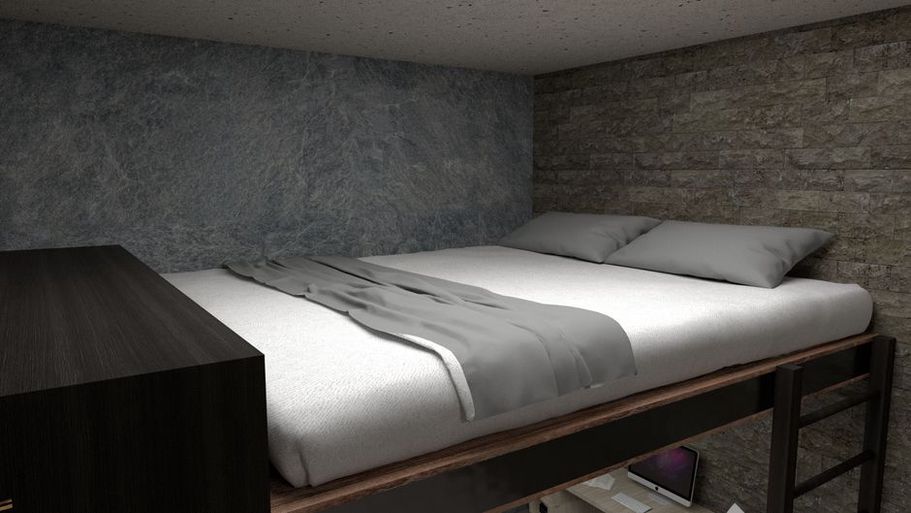
When floor space is scarce, vertical space becomes invaluable. Small buildings can gain a lot from utilizing vertical elements effectively. High ceilings, lofts, and mezzanines can provide additional square footage without enlarging the building's base. This approach is especially useful in densely populated urban areas where space is limited.
Vertical storage solutions also help keep floor areas clear and organized. Tall shelves, built-in cabinets, and wall-mounted storage units can accommodate everything from personal items to office supplies.
Incorporating Natural Light
Natural light is a vital component in small building design, as it can make spaces feel larger and more welcoming. Large windows, skylights, and glass doors let daylight pour in, reducing reliance on artificial lighting and promoting sustainability.
Strategically placing mirrors and reflective surfaces can further enhance the effect of natural light, making spaces appear even more expansive. This not only boosts aesthetic appeal but also aids in energy conservation.
Smart Technology Integration
Incorporating smart technology into small building design can significantly improve space management and functionality. Automated systems for lighting, heating, and security can be controlled remotely, optimizing resource use and space efficiency. Smart technology also includes modular systems that adapt to occupants' changing needs, offering convenience and flexibility.
For instance, smart lighting systems that adjust based on occupancy and natural light levels can conserve energy while ensuring optimal lighting conditions. These technologies support sustainability and enhance the overall user experience.
Emphasizing Sustainable Materials
Choosing sustainable materials for small building design is both environmentally responsible and beneficial for space utilization. Materials like bamboo, recycled steel, and composite woods are durable and versatile, enabling innovative design solutions that make the most of limited space.
Using sustainable materials can complement other strategies, such as maximizing natural light and integrating smart technologies, to create a cohesive and eco-friendly design.
Conclusion: A Holistic Approach to Small Building Design
Creating small buildings that are both efficient and comfortable requires a comprehensive approach. Architects must innovate to design spaces that are adaptable and functional. By employing strategies such as multi-functional spaces, vertical space optimization, natural light incorporation, smart technology integration, and sustainable materials, designers can transform small spaces into practical and appealing environments.
For more insights into how urban planning influences architectural design, consider exploring our article on The Impact of Urban Planning on Modern Architectural Design.