
Mixed-use developments are changing the face of cities by blending living, working, and leisure spaces into unified communities. These projects provide a variety of amenities and services within close proximity, fostering neighborhoods that meet the needs of today's urban residents.
The Rise of Vertical Urbanism
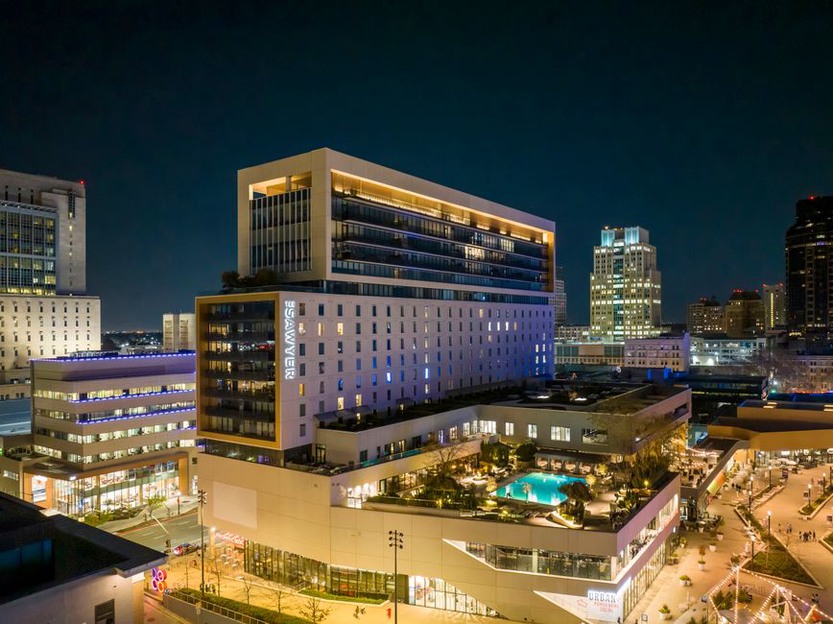
One of the most impactful trends in mixed-use architecture is the shift towards vertical urbanism. As urban areas grow more crowded, architects are designing taller buildings that house multiple functions within a single structure. This strategy optimizes land use and curbs urban sprawl. By placing residential units above commercial and retail spaces, these developments create lively settings that promote interaction and community involvement.
Integrating Green Spaces
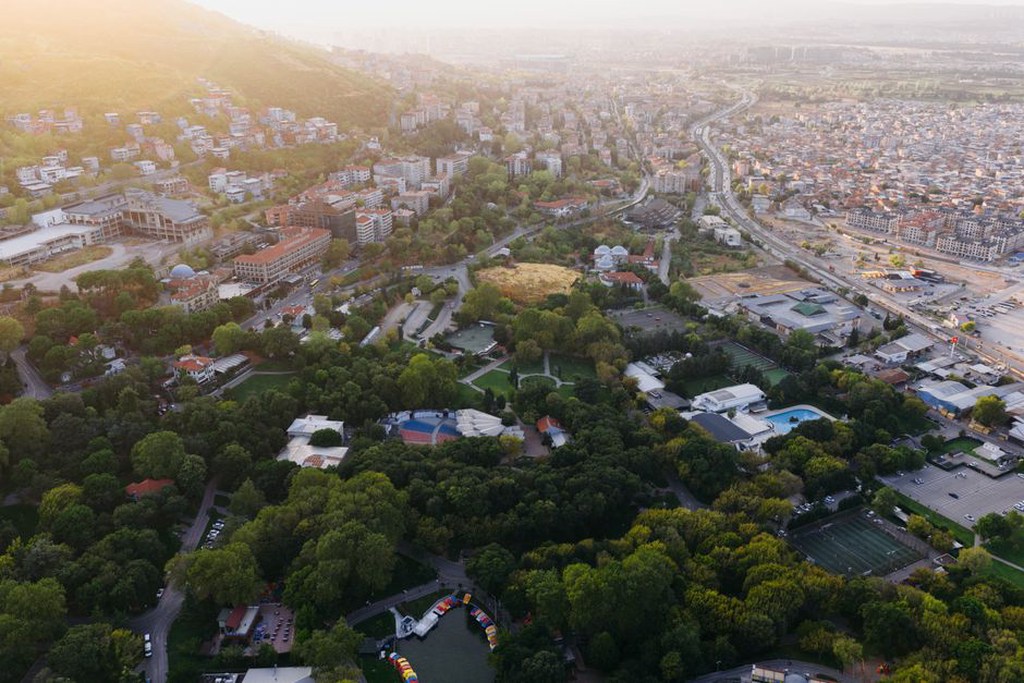
Adding green spaces to mixed-use developments is gaining traction. Features like green roofs, vertical gardens, and community parks not only beautify these projects but also support environmental sustainability. These natural elements enhance air quality, cool urban areas, and offer residents spaces to unwind and connect with nature.
Smart Building Technologies
Incorporating smart technologies is another growing trend. Automated systems for lighting, heating, and security are becoming common in mixed-use developments. These technologies boost energy efficiency and improve user experience by offering convenience and safety. For example, smart parking systems can alleviate congestion and reduce pollution by guiding drivers to available spots.
Energy Efficiency and Sustainability
Energy-efficient designs are essential for minimizing the environmental footprint of mixed-use developments. The use of sustainable materials and innovative construction methods enhances the durability and resilience of these buildings. Exploring Innovative Energy-Efficient Roof Designs provides insights into achieving energy efficiency through advanced roofing solutions.
Community-Oriented Design
Spaces for community interaction are crucial to the success of mixed-use developments. These areas encourage social engagement and host cultural and recreational activities. Architects aim to create adaptable spaces that can serve various purposes, maintaining their relevance as community needs change.
Challenges and Considerations
While beneficial, mixed-use developments come with challenges. Effective urban planning is crucial to their success. The Impact of Urban Planning on Modern Architectural Design discusses how strategic planning can integrate these developments into the existing urban framework, addressing challenges like traffic flow and public transportation.
- Regulatory Compliance: Understanding and adhering to the complex regulatory landscape is vital to ensure mixed-use developments meet zoning laws and building codes.
- Financial Viability: Balancing the financial interests of various stakeholders, including developers and investors, requires meticulous planning and cost management.
- Community Engagement: Early involvement with local communities can help address concerns and ensure that developments align with residents' needs.
Mixed-use developments are redefining urban living by fostering integrated, sustainable communities. As architectural trends evolve, these projects will significantly influence the future of our cities, balancing urban growth with the demand for sustainable living environments.